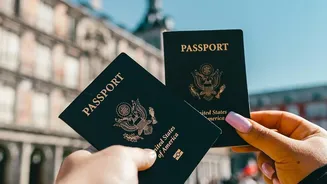









A Fleeting Promise of Visa-Free Travel
In early 2024, the Iranian government announced a significant policy change that excited many Indian tourists: visa-free entry. Starting in February 2024, Indian passport holders were allowed to enter Iran for up to 15 days for tourism without needing
a visa, provided they entered by air. This move was part of a broader initiative to boost tourism from 28 countries, positioning Iran as a more accessible destination for those eager to explore its Silk Road heritage and Persian architecture. The news was met with enthusiasm by travellers and tour operators in India, who anticipated a surge in interest for trips to cities like Tehran, Isfahan, and Shiraz.
The Sudden Reversal in November 2025
The optimism was short-lived. In November 2025, Tehran announced the suspension of the visa-waiver facility for Indian citizens, effective November 22, 2025. The decision was not made lightly. According to India's Ministry of External Affairs, the suspension was a necessary measure to prevent the misuse of the facility by criminal elements. There were several reported incidents where Indian nationals were lured to Iran with false promises of employment or with assurances of onward transit to other countries. Upon arrival, some were kidnapped for ransom, turning a policy meant to foster tourism into a tool for human traffickers. The Indian government issued an advisory, confirming the suspension and urging citizens to be vigilant.
Where Things Stand in Mid-2026
More than half a year after the suspension, the policy remains firm: Indian citizens require a visa to enter Iran. The dream of a spontaneous, visa-free trip has been replaced by the reality of a formal application process. Airlines are under instruction to verify visa status before boarding, and travellers arriving without the proper documentation risk being denied entry. This applies to all forms of travel, including tourism, business, and even transiting through the country. The change has placed Iran back in the category of destinations that require advance planning for Indian passport holders, alongside a few other countries that also tightened their rules in 2026.
Navigating the New Visa Process
While visa-free travel is off the table, visiting Iran is still very much possible. The current process requires Indian applicants to apply for an e-visa through an official portal or with the help of a registered travel agency. The key to a successful application is obtaining a Visa Authorization Code, or Grant Notice, from Iran's Ministry of Foreign Affairs. This requires submitting a clear itinerary, proof of accommodation in registered hotels, and other standard documents like a valid passport and travel insurance. The rules now explicitly restrict staying with locals or in unregistered accommodations, a move designed to make travel more traceable and secure. A standard tourist visa is typically granted for 30 days and can be extended within the country.
The Impact on Indian Travellers
The policy reversal has undoubtedly had a chilling effect. Travellers who were excited by the prospect of easy access must now navigate a more bureaucratic path. For many, especially those who remember the 2024 announcement, the situation remains confusing. The primary impact is the loss of spontaneity and the addition of another layer of planning and cost. However, the underlying reasons for the suspension—to protect citizens from criminal rackets—were serious. India's Ministry of External Affairs noted that the criminals were taking advantage of the waiver, and the suspension was intended to stop this exploitation. For legitimate tourists, the change simply means that a trip to see the wonders of Persepolis or the beautiful mosques of Isfahan now requires a bit more paperwork.