


Two Missions, One Goal
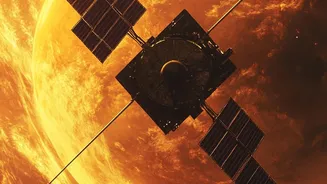
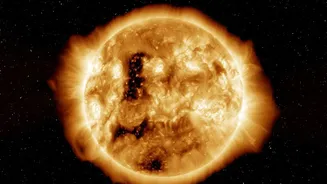
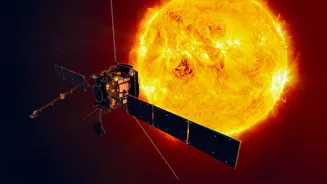
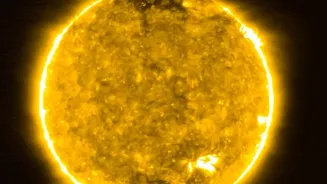
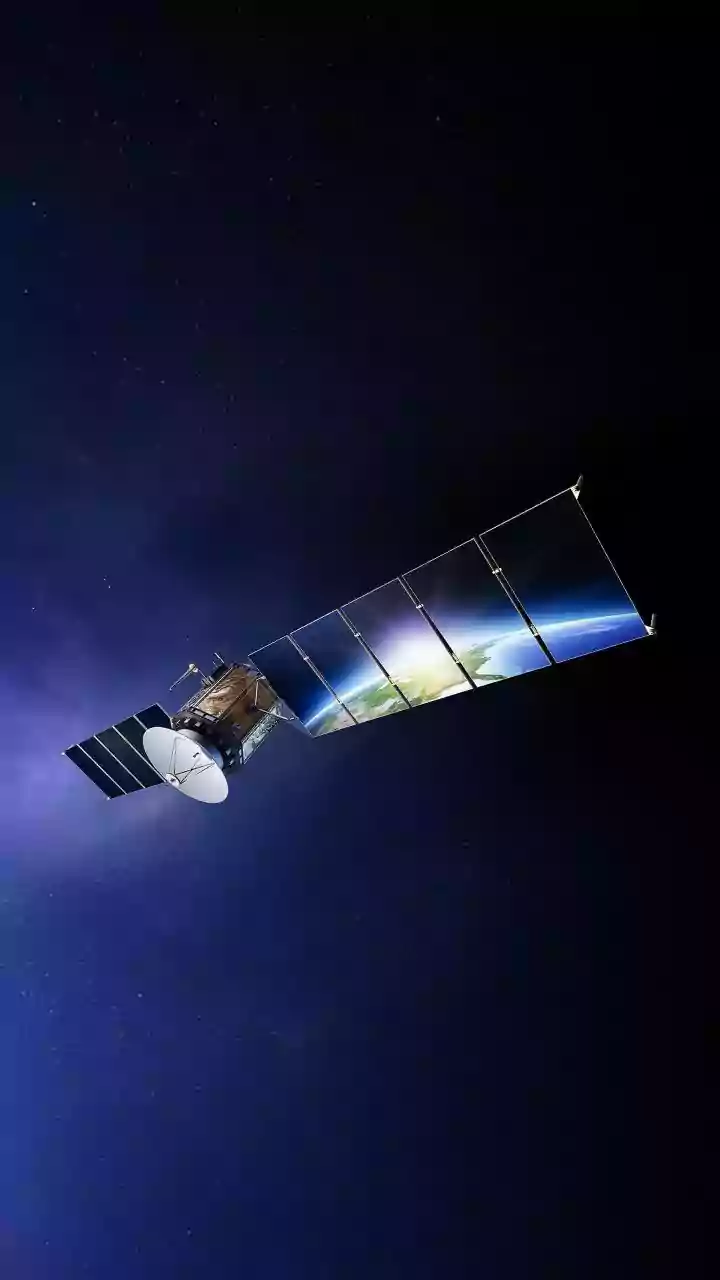
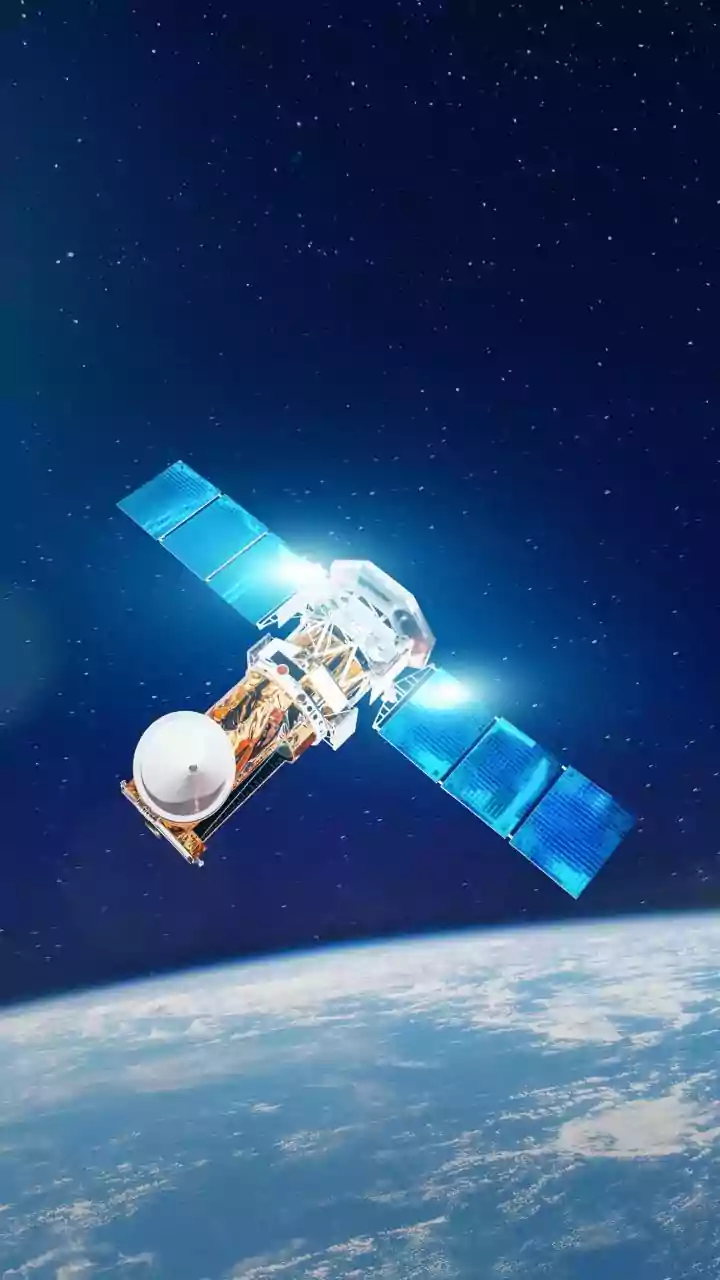
At the heart of this story are two highly sophisticated space missions. Aditya-L1 is India’s first dedicated solar observatory, launched by ISRO in September 2023. It is strategically positioned at the Sun-Earth Lagrange point 1 (L1), about 1.5 million
kilometres from Earth, giving it an uninterrupted view of the Sun. The European Space Agency’s (ESA) Proba-3, launched in December 2024 by an ISRO PSLV rocket, is a trailblazer in its own right. It consists of two satellites flying in precise formation, about 150 metres apart, to create a sustained artificial solar eclipse. This allows its instruments to peer into the Sun’s faint, super-hot outer atmosphere, the corona, with unparalleled clarity.
A Coronagraph Dream Team
The collaboration hinges on pairing specific instruments from each mission. Aditya-L1 carries the Visible Emission Line Coronagraph (VELC), an instrument designed by the Indian Institute of Astrophysics. VELC conducts spectroscopic analysis, breaking down the light from the corona to measure the temperature, density, and speed of the two-million-degree plasma. Proba-3’s key instrument is the ASPIICS coronagraph. By blocking the Sun's bright face, ASPIICS captures sharp images of the corona, revealing the shape, structure, and movement of solar eruptions. Together, they form a powerful diagnostic duo. While ASPIICS provides the 'what' and 'where' through images, VELC provides the 'how hot' and 'how fast' through spectroscopy, offering a more complete picture than either could alone.
Decoding Coronal Mass Ejections
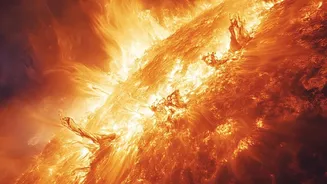
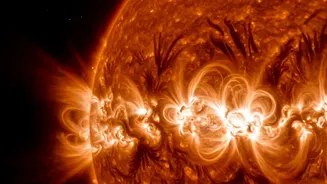
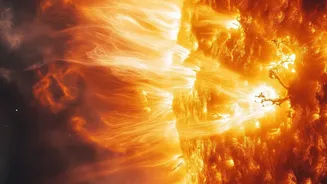
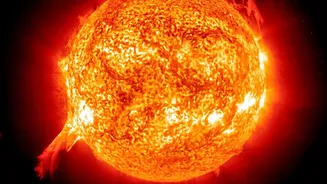
The focus of this joint effort is to better understand Coronal Mass Ejections (CMEs). These are colossal eruptions of magnetised plasma from the Sun. When a CME is aimed at Earth, it can trigger geomagnetic storms that threaten our modern way of life by disrupting power grids, damaging satellites, and interfering with GPS and communication signals. A major challenge for scientists has been observing the birth of these CMEs close to the Sun's surface. Previous instruments struggled to track the faint, early stages of these events. This left a critical gap in understanding how a CME’s energy is distributed. The new joint observations, which analysed two specific CMEs in September 2025, are changing that.
New Insights on Eruption Energy
For the first time, scientists have been able to reliably measure the mass, density, and energy of CMEs right as they form in the inner corona. The study, published in the journal 'Astronomy & Astrophysics', combines VELC’s data on thermal energy (the heat of the plasma) with ASPIICS’s data on kinetic energy (the energy of motion) and mass. One key finding was that for one eruption, its thermal energy was only about 1% of its total energy, while in a second event, the thermal energy grew to match the kinetic energy. This kind of detailed energy budget was previously impossible to create. These measurements provide crucial new constraints for models that predict how a CME will evolve as it travels through space toward Earth.
Why This Matters for India and the World
This collaboration is more than just a scientific curiosity; it’s a critical step toward better space weather forecasting. By understanding the initial energy of a CME, scientists can more accurately predict its potential impact. This gives satellite operators, power grid managers, and airlines more time to take protective measures. For India, this achievement highlights the growing prowess and global significance of its space programme. Not only did ISRO launch its own advanced solar observatory, but its workhorse PSLV rocket also delivered the ESA’s Proba-3 mission to orbit. This synergetic observation campaign underscores India's role as a key partner in international space science and a vital contributor to protecting global infrastructure.