







Beyond Sun and Soil
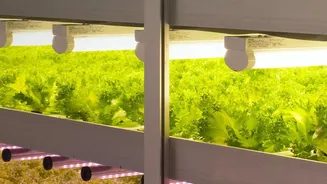
The magic behind year-round strawberries lies in Controlled Environment Agriculture (CEA). Unlike traditional farms that depend on weather and seasons, CEA facilities grow produce indoors. This often involves vertical farming, where crops are stacked
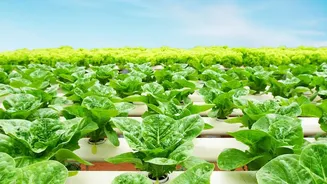
in layers, and hydroponics, a method where plants grow in a nutrient-rich water solution instead of soil. By controlling every variable—from temperature and humidity to the precise spectrum of LED light the plants receive—farmers can create the perfect conditions for strawberries to thrive 365 days a year. This soilless approach eliminates risks from soil-borne diseases and pests, leading to cleaner fruit and reduced need for chemical treatments.
The Promise of Perfection
The benefits of this technology are compelling. Most importantly, it ensures a consistent, predictable supply of high-quality fruit, free from the volatility of weather that can disrupt traditional harvests. These farms can be set up in or near urban centres, slashing transportation costs and delivering fresher produce to consumers. Furthermore, high-tech farms are remarkably resource-efficient. Hydroponic systems can use up to 90% less water than conventional soil farming, a crucial advantage in a water-scarce country like India. Yields per square foot can also be significantly higher, with some vertical farms producing 10 to 15 times more than a traditional farm of the same footprint.
The Price of Innovation
However, the headline’s warning about a 'bigger investment' is the central challenge. Setting up a commercial-scale high-tech farm is a capital-intensive venture. The costs include sophisticated infrastructure, such as multi-layer growing systems, automated climate control (HVAC), and specialized full-spectrum LED lighting. One analysis estimates the setup cost for a commercial-scale operation can be between $150 to $250 per square foot. Operational expenses are also high, with energy for lighting and climate control and skilled labour often being the largest recurring costs. For instance, one report from an Indian agritech company detailed a total investment of ₹60-70 lakh for a half-acre, seven-layer hydroponic system.
A Growing Niche in India
Despite the costs, high-tech strawberry farming is gaining a foothold in India, moving beyond traditional strongholds like Mahabaleshwar. Entrepreneurs in states like Rajasthan and Himachal Pradesh are successfully cultivating strawberries using these advanced methods. These farms typically cater to a premium market, including hotels, high-end restaurants, and urban consumers willing to pay more for high-quality, locally-grown, and off-season produce. The model turns strawberries into a high-value crop where farmers can potentially earn significant profits, with some reports citing net profits of ₹10–15 lakh from a well-managed half-acre. However, success isn't guaranteed and requires deep technical expertise in managing the delicate balance of nutrients, light, and humidity that strawberries need to flourish.