




The Paradise Paradox
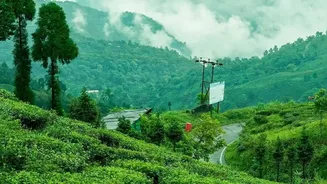
India's hill stations are victims of their own success. Destinations like Shimla, Manali, Mussoorie, and Darjeeling are experiencing an unprecedented surge in tourism, driven by rising incomes and the desire to escape soaring temperatures in the plains.
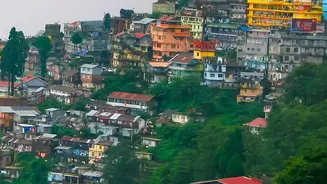
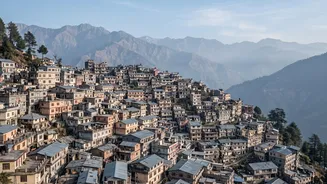
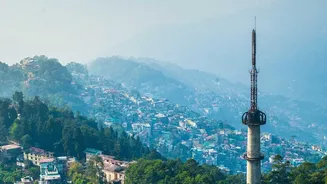
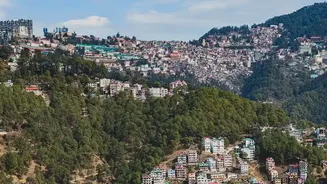
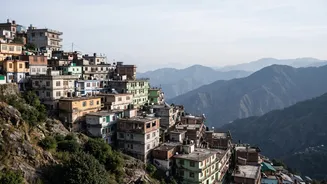
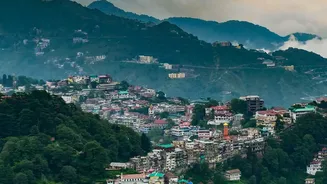
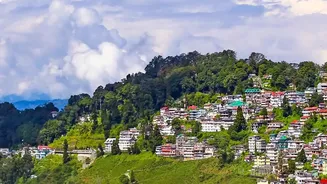
While this boom fuels local economies, it is pushing these fragile ecosystems to their limits. Many of these towns were originally designed for a fraction of their current population. Shimla, for instance, was built for about 25,000 people but now grapples with a far larger resident and tourist population, creating immense pressure on resources.
Gridlock in the Mountains
The most visible symptom of this crisis is traffic. During peak season, narrow mountain roads become parking lots, with traffic jams stretching for kilometres and lasting for hours. Key routes to Manali, Mussoorie, and Nainital are frequently choked, turning a scenic drive into a stressful ordeal. In Shimla, authorities have dealt with nearly 15 lakh vehicles in a single summer month, forcing them to implement traffic management strategies and even advise tourists to bypass the main town. The problem is compounded by a severe lack of parking, leading to disputes and further congestion.
An Unseen Environmental Toll
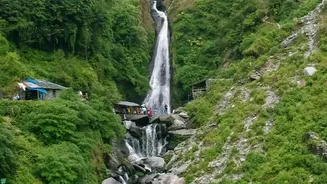
Beyond the traffic jams lies a deeper environmental crisis. One of the most critical issues is water scarcity. The massive influx of tourists places a huge demand on local water sources like natural springs, which are already under stress from changing climate patterns. Many hill towns now face acute water shortages, forcing them to ration supplies even as hotels cater to tourists. Waste management is another major challenge. The surge in visitors generates mountains of garbage, particularly plastic waste, that overwhelm local systems. This waste often ends up clogging drains, polluting rivers, and scarring the natural landscapes that draw tourists in the first place. Unchecked construction to build more hotels and resorts often occurs on fragile slopes, increasing the risk of landslides and soil erosion.
Is the Charm Fading?
For many long-time visitors and residents, the 'charm' of these hill stations is rapidly disappearing. Over-commercialisation has replaced unique local culture with a generic tourist experience. The once-peaceful Mall Roads in places like Shimla and Darjeeling are now perpetually crowded, making a quiet stroll nearly impossible. Local markets are often filled with overpriced, mass-produced goods aimed at tourists, diminishing the sense of authentic local experience. The constant noise and pollution from traffic further erode the tranquillity that was once the main attraction.
A Search for Solutions
Recognising the severity of the problem, some state governments have begun to take action. Several destinations are implementing systems to regulate tourist inflow. Mussoorie and Ooty, for example, have introduced mandatory online registration or e-pass systems, requiring visitors to get a QR code before their trip to manage numbers and vehicle entry. These measures aim to provide real-time data on tourist footfall, which can help in better planning for traffic management, sanitation, and other public services. Experts are also calling for a focus on sustainable tourism, including enforcing visitor caps based on the 'carrying capacity' of each town and developing infrastructure that is in harmony with the local environment.