







Beetroot: The Earthy Energiser
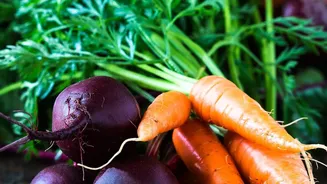
With its stunning jewel tone and deep, earthy flavour, beetroot is as beautiful as it is beneficial. Its texture is firm when raw, making it perfect for shredding into salads, and it becomes tender and sweet when roasted or boiled. Beetroots are a fantastic
source of nitrates, which the body converts into nitric oxide. This compound helps relax and widen blood vessels, which can contribute to lower blood pressure and improved circulation. Studies suggest these same nitrates may enhance physical stamina, making it a great food for active individuals. Furthermore, beetroots are packed with antioxidants like betalains, which help fight cellular damage and inflammation in the body. Enjoy it in a classic sabzi, blend it into a smoothie, or roast it with other vegetables for a naturally sweet side dish.
Sweet Potato: The Comforting Carb
Creamy, sweet, and incredibly versatile, the sweet potato is a beloved staple for good reason. Its soft, fleshy texture and comforting taste make it a satisfying addition to any meal, whether baked, mashed, or fried into healthy fries. Sweet potatoes are exceptionally rich in beta-carotene, an antioxidant that your body converts into vitamin A. This essential vitamin is crucial for maintaining good vision, supporting a robust immune system, and promoting healthy skin. They are also a great source of fibre, which aids in digestion and helps promote a healthy gut. Rich in vitamins C and B6, as well as minerals like potassium and manganese, sweet potatoes offer a wide range of nutrients in every serving. Their natural sweetness makes them a wonderful, healthy alternative in both savoury and sweet dishes.
Carrot: The Crunchy Classic
The humble carrot is a global favourite, known for its satisfying crunch and subtly sweet flavour. Eaten raw, they provide a refreshing crispness to salads and snacks. When cooked, their sweetness intensifies, making them a perfect addition to stews, soups, and roasted vegetable medleys. Carrots are most famous for their high concentration of beta-carotene and other carotenoids, which are powerful antioxidants. The body uses beta-carotene to produce vitamin A, an essential nutrient for maintaining healthy vision and reducing the risk of age-related eye issues like macular degeneration. Beyond eye health, carrots are a good source of dietary fibre, vitamin K1, and potassium. This combination helps support digestive regularity, heart health, and a strong immune system.
Turnip: The Peppery Powerhouse
Often underrated, the turnip (or shalgam) has a crisp, white flesh and a mildly peppery flavour that mellows with cooking. It can be eaten raw for a zesty crunch or cooked into curries, soups, and stews where it absorbs other flavours beautifully while offering a tender bite. Turnips are cruciferous vegetables, a family known for its health-promoting compounds. They are an excellent source of vitamin C, which is vital for immune function and healthy skin. Their high fibre content supports a healthy digestive system, helping you feel full for longer and promoting stable blood sugar levels. Turnips also provide compounds like glucosinolates, which studies suggest may have anti-inflammatory and protective effects. Additionally, they are a good source of calcium and vitamin K, both of which are important for maintaining strong, healthy bones.
Ginger: The Pungent Healer
While technically a rhizome, ginger is used culinarily like a root vegetable and is a cornerstone of Indian cuisine for its pungent, spicy-sweet flavour. Its fibrous texture means it's usually grated, minced, or sliced to infuse dishes with its distinctive warmth. Ginger is celebrated for its powerful medicinal properties, largely due to a compound called gingerol, which has potent anti-inflammatory and antioxidant effects. It has been used for centuries to aid digestion and soothe nausea, from morning sickness to motion sickness. Studies have also shown that ginger can help manage blood sugar levels and may support heart health. A small amount of ginger can add a significant flavour and health boost to teas, curries, stir-fries, and soups, making it an indispensable ingredient in a healthy kitchen.