




1. Classic Coconut Chutney
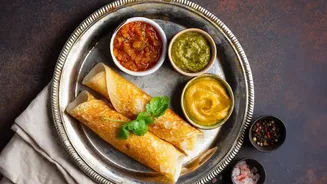
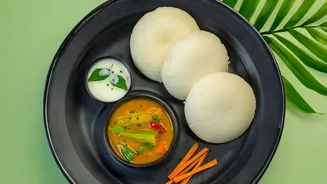
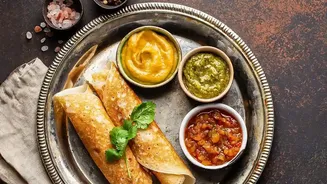
The undisputed king of South Indian breakfast accompaniments, this creamy, mild chutney is a staple with idli, dosa, vada, and uttapam. Made from freshly grated coconut, green chillies, ginger, and often a small amount of roasted gram dal for body, it’s
finished with a tempering of mustard seeds and curry leaves. Its cool, nutty flavour perfectly balances the fermented tang of dosa and idli batter.
2. Coriander and Mint Chutney
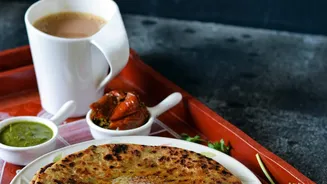
Known as 'hari chutney' (green chutney), this versatile condiment is a breakfast hero across North and West India. It’s the zesty layer in a Bombay sandwich and a refreshing dip for samosas and parathas. A vibrant blend of fresh coriander, mint leaves, green chillies, ginger, and a squeeze of lemon juice, it’s fresh, tangy, and packed with herbaceous flavour.
3. Tomato Onion Chutney
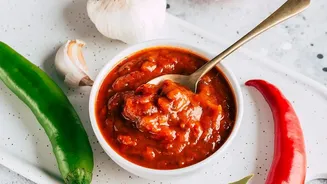
Often served alongside coconut chutney, this South Indian staple offers a spicy and tangy contrast. Tomatoes and onions are sautéed with red chillies, garlic, and sometimes lentils like chana dal or urad dal, before being ground into a rich, savoury paste. It’s a fantastic partner for a crispy ghee roast dosa or soft, fluffy idlis.
4. Peanut Chutney (Shengdana Chutney)
Popular in Maharashtra, Andhra Pradesh, and Karnataka, peanut chutney is a creamy and nutty delight. Roasted peanuts are ground with garlic, red chillies, tamarind, and a touch of jaggery to create a beautifully balanced, protein-packed side. It’s an earthy and satisfying accompaniment for idli, dosa, and vada.
5. Dry Red Chilli Garlic Chutney
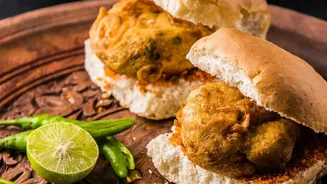
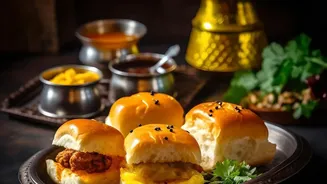
This fiery, dry chutney is the soul of Mumbai’s iconic street food, Vada Pav. Known as 'sukha lasun chutney', it's a potent mix of dry red chillies, copious amounts of garlic, and often dry coconut, all roasted and ground into a coarse, spicy powder. A generous sprinkle inside the pav before placing the vada adds an unforgettable kick of heat and flavour.
6. Ginger Chutney (Allam Pachadi)
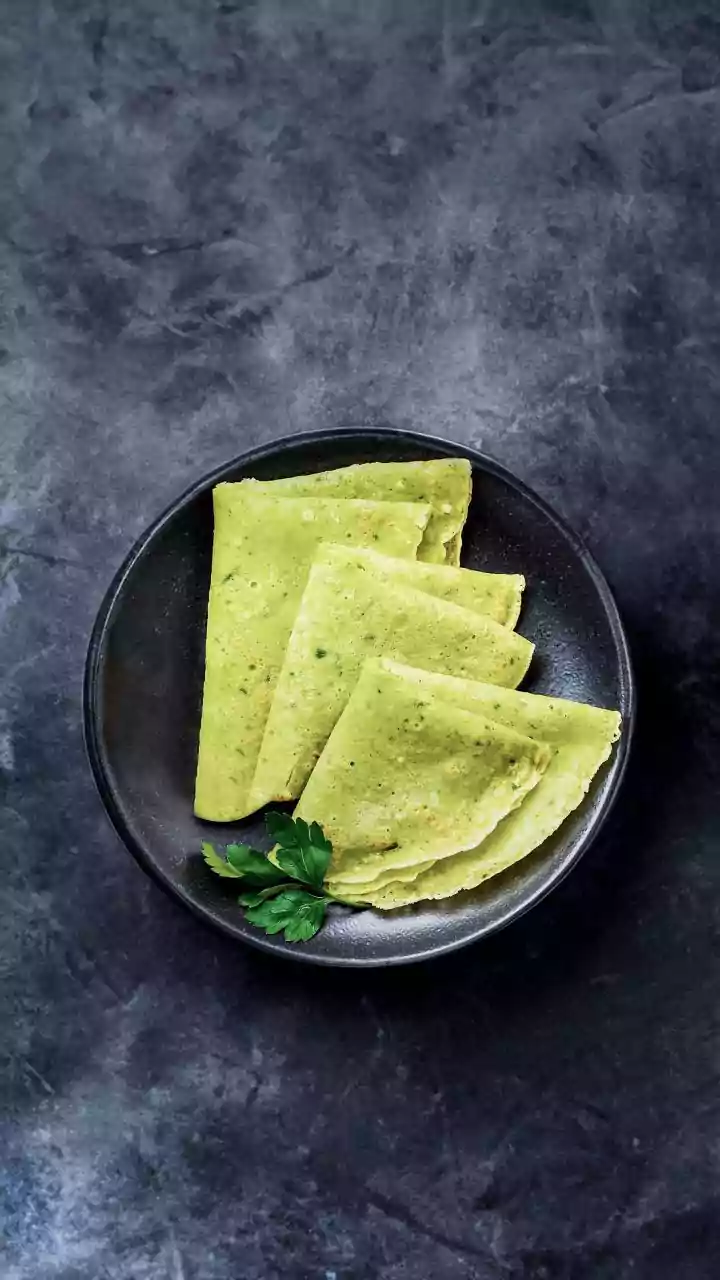
A specialty from Andhra Pradesh, Allam Pachadi is a unique blend of spicy, sweet, and tangy notes. Made with a generous amount of fresh ginger, it’s balanced with tamarind for sourness and jaggery for a touch of sweetness, along with red chillies for heat. It is the classic and essential pairing for Pesarattu, the regional green gram dosa.
7. Ridge Gourd Chutney (Peerkangai Chutney)
A clever and delicious way to use a humble vegetable, this chutney is popular in Tamil Nadu. The ridge gourd is cooked until soft with chillies, onions, and sometimes tomato, then ground with tamarind. The result is a surprisingly flavourful and smooth chutney that pairs beautifully with idli, dosa, and even hot rice.
8. Sesame Seed Chutney (Til Chutney)
Found in various regional cuisines, including Maharashtra and Andhra Pradesh, this chutney has a deep, nutty flavour. Roasted sesame seeds are ground, often with coconut, red chillies, tamarind, and garlic, to create a rich and aromatic condiment. It’s a great source of nutrients and adds a wonderful complexity to breakfast dishes.
9. Bombay Chutney
Despite its name, this isn't a traditional chutney but rather a quick, savoury gravy made from gram flour (besan). It's a popular side dish in South Indian tiffin centres, often served with poori and dosa. Besan slurry is cooked with a tempering of spices, onions, and tomatoes to create a thick, flavourful, curry-like accompaniment.
10. Green Mango Chutney
A seasonal delight enjoyed across India, this chutney captures the taste of summer. Raw, tangy green mangoes are blended with mint, coriander, chillies, and sometimes a little sugar or jaggery to balance the tartness. It’s an intensely tangy and fresh-tasting chutney that can liven up everything from parathas to sandwiches.
11. Bengali Tomato Chutney
Unlike its savoury southern counterparts, the Bengali version is a sweet, tangy, and jam-like preparation. Cooked with ripe tomatoes, dates (khejur), sugar or jaggery, and a signature five-spice blend called 'panch phoron', it's often served at the end of a meal. However, it also makes a delightful side with luchi (puffy bread) or parathas.