





A Historic Link Across Space and Time
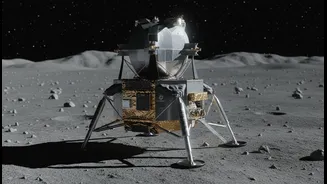
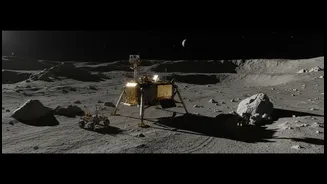
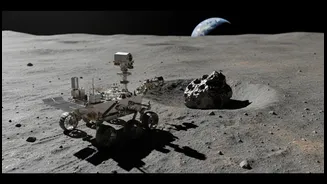
Scientists from the Physical Research Laboratory (PRL), Ahmedabad, have made a groundbreaking discovery by analysing data from the Pragyan rover. They found that the soil at Shiv Shakti Station, the celebrated landing site of Chandrayaan-3 near the Moon's
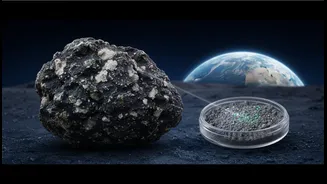
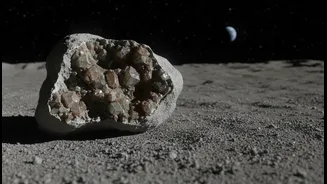
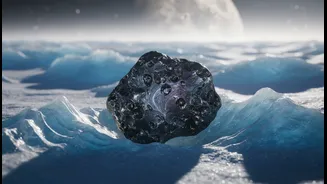
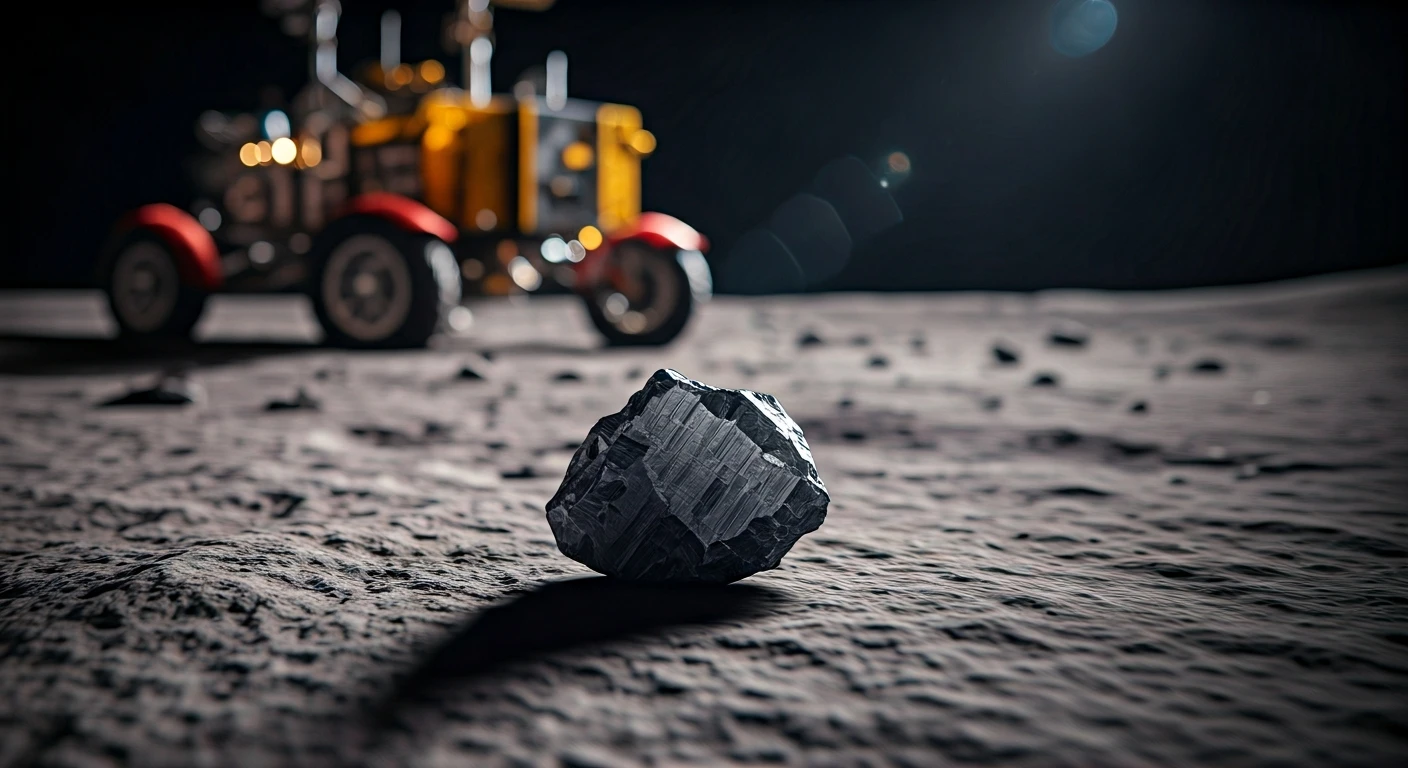
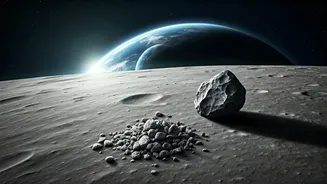
south pole, has a chemical composition that closely resembles a very special rock found on Earth: ALHA 81005. This particular rock is famous because it was the very first meteorite discovered on our planet to be scientifically confirmed as originating from the Moon. Found in Antarctica's Allan Hills back in 1981-82, it has been a key sample for lunar science for decades. This new study forges a direct link between in-situ measurements on the Moon and a lunar sample preserved on Earth, opening new chapters in our understanding of the Moon's geology.
Decoding the Chemical Fingerprint
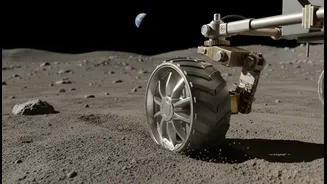
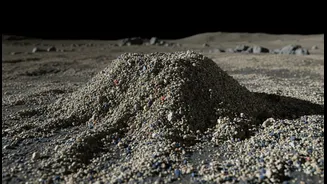
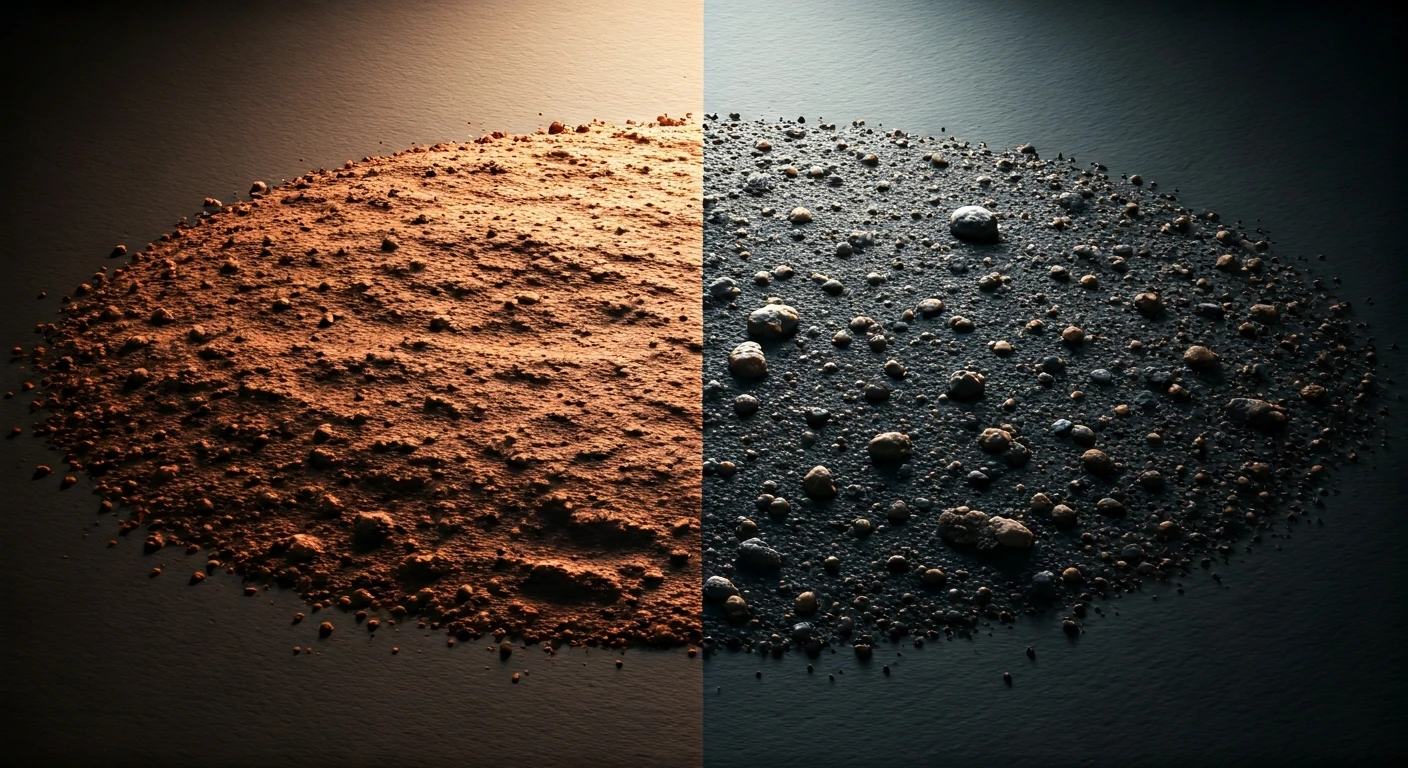
The connection was made using data from the Alpha Particle X-ray Spectrometer (APXS) instrument on the Pragyan rover. When scientists compared the rover's analysis of the lunar soil, or regolith, with the known compositions of 66 lunar meteorites on Earth, ALHA 81005 was the closest match. The similarities are striking. For instance, the soil at Shiv Shakti Station has about 26.1% aluminium oxide, while the meteorite has 25.8%. Both samples also have nearly double the iron and magnesium oxide content compared to the typical lunar highlands. ISRO scientists are careful to clarify that this does not mean the meteorite came from the exact spot where the rover landed. Instead, it signifies that both the landing site and the meteorite represent a similar and relatively uncommon type of magnesium-rich lunar crust.
Why This Finding Is Significant
This discovery does more than just connect two distant samples; it deepens our understanding of the Moon's violent past. The composition suggests that the soil at Shiv Shakti Station is not just surface material. It's likely a mixture containing rocks that were excavated from deep within the Moon's crust by ancient, powerful impacts. Scientists theorise that the formation of the massive South Pole-Aitken basin, one of the largest impact craters in the solar system, could have thrown this deeper material across the lunar surface billions of years ago. This finding also provides strong support for the 'Lunar Magma Ocean' hypothesis, which posits that the Moon was once covered in a sea of molten rock that slowly cooled and crystallised to form its layered crust. By studying this unique soil composition, we get a clearer picture of that ancient formation process.
Chandrayaan-3's Enduring Legacy
The Chandrayaan-3 mission, which made India the first and only nation to land near the lunar south pole in August 2023, continues to be a source of immense scientific value. Each new piece of data analysed provides fresh insights that rewrite parts of our lunar textbook. This specific link between the Shiv Shakti landing site and a meteorite found on Earth helps scientists calibrate their understanding and potentially identify the origins of other lunar meteorites. It reinforces the importance of sending robotic explorers to analyse celestial bodies directly. The mission's success has not only been a point of national pride but has also cemented India's role as a major contributor to global planetary science, with discoveries that will inform future missions for years to come.