


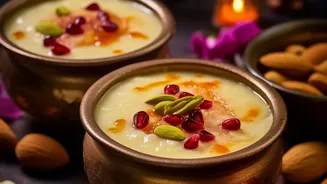
The Joy of Sweet Reinvention
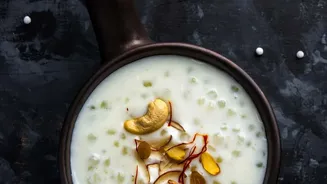
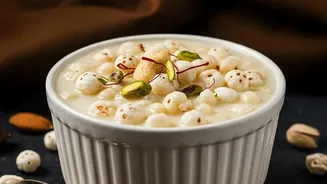
Fusion cooking is all about creative curiosity. It’s taking familiar flavours and textures and seeing how they can be reimagined into something new and exciting. Sabudana Rasmalai is a perfect example of this spirit. It marries the soft, chewy pearls
of sabudana (tapioca) with the rich, fragrant, and spongy character of rasmalai. The result is a dessert that feels both innovative and deeply traditional. For the home cook, it represents an opportunity to create a show-stopping sweet without an overly complicated process. The chewy pearls offer a delightful textural contrast to the creamy milk, creating a multi-layered experience in every spoonful.
Deconstructing the Delicious Duo
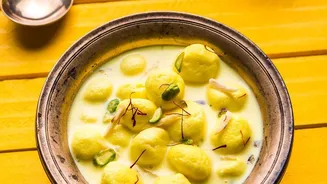
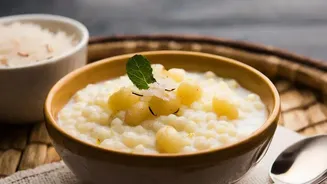
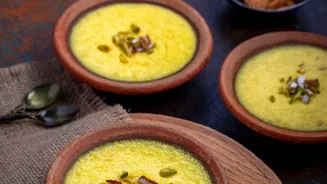
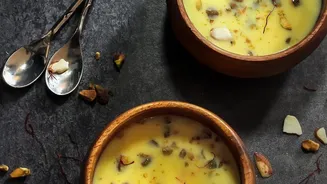
To understand why this fusion works so well, it helps to appreciate the two components on their own. Rasmalai consists of soft, flattened chenna (fresh paneer) patties soaked in a sweet, thickened milk called rabri, which is often flavoured with cardamom, saffron, and pistachios. It’s prized for its delicate, spongy texture and luxurious taste. Sabudana, on the other hand, is known for its versatility. In desserts like sabudana kheer, it provides a creamy base with distinct, soft pearls. The pearls themselves are a neutral canvas, excellent at absorbing the flavours of the liquid they are cooked in. When combined, the sabudana doesn’t just float in the milk; it becomes an integral part of the rasmalai experience, offering a satisfying chew that complements the milky sweetness.
The Key Qualification: Mastering Sabudana Texture
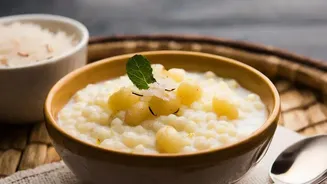
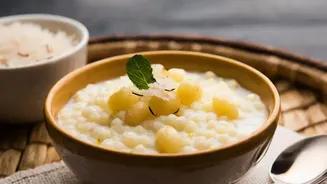
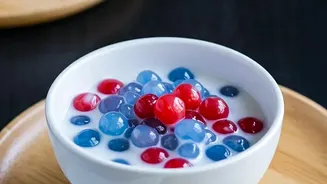
Here is the single most important detail for success: the texture of your sabudana is everything. The goal is to have perfectly cooked, translucent pearls that are soft and individual, not a sticky, starchy clump. Failure to achieve this will result in a gooey mess rather than an elegant dessert. This is the 'key qualification' a home cook must master. The process starts with proper soaking. You must rinse the sabudana pearls thoroughly under running water to wash away excess surface starch. Then, soak them in just enough water to cover them for 4-6 hours, or until a pearl can be easily squished between your fingers with no hard centre remaining. Too much water will make them mushy. After soaking, it's crucial to drain any remaining water completely to ensure the pearls are as dry as possible before cooking.
Cooking the Pearls to Perfection
When you cook the soaked sabudana, the technique must be gentle. Whether you are making small patties from a sabudana dough or adding the pearls directly to milk, over-stirring is the enemy. Vigorous stirring breaks the pearls, releasing more starch and causing them to clump together. The key is to cook them on a low to medium flame until they turn translucent. Once they are clear and glossy, they are done. Overcooking is a common mistake that turns them from perfect pearls into a gluey paste. Some recipes for Sabudana Rasmalai call for grinding the soaked pearls into a paste to form patties. Even in this method, the initial soaking and draining process is vital for achieving the right consistency that binds well without being overly sticky.
Assembling Your Fusion Masterpiece
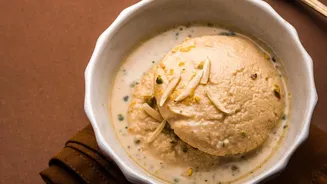
There are two popular ways to assemble this dish. The first involves cooking the soaked and drained sabudana pearls directly in a thickening milk base, similar to making kheer, but finishing it with the classic rasmalai flavours of saffron, cardamom, and nuts. The second, more structured approach involves creating small, flat patties from a dough made of cooked or ground sabudana, milk powder, and a touch of sugar. These patties are then gently simmered in the prepared warm rabri, allowing them to absorb all the rich, creamy goodness without disintegrating. For this method, it's recommended to chill the patties for about 30 minutes before adding them to the milk to help them hold their shape. No matter which method you choose, the dessert should be served chilled, allowing the flavours to meld and deepen.