

More Than a Tagline
Long before 'sustainable travel' became a buzzword, Kerala was laying the groundwork for its Responsible Tourism (RT) Mission. Launched officially in 2007 after a successful pilot phase, the core idea was simple yet revolutionary: to make tourism a tool
for local development, ensuring that the economic benefits reached the people and communities that make the state so unique. It's a model that shifts the focus from just building hotels to building livelihoods. Instead of a top-down approach, the RT Mission works to link tourism with local communities, from farmers supplying fresh produce to resorts, to artisans selling their crafts directly to visitors. This framework, which has won global accolades including the Responsible Tourism Global Award, is designed to make better places for people to live in, and as a result, better places for people to visit.
The Community-First Blueprint
So, what does this look like in practice? It's about empowering local entrepreneurs and self-help groups to become key players in the tourism ecosystem. The RT Mission has actively promoted homestays, village life experience packages, and ethnic cuisine units, allowing travelers to engage with local culture in an authentic way. This approach creates direct income streams, reduces economic leakage, and ensures that revenue circulates within the local economy rather than being siphoned off. The model also champions women's empowerment, with specific initiatives to support women-led enterprises in the tourism sector. By integrating everything from agriculture and handicrafts to cultural performances, Kerala has created a system where community resilience and tourism growth are linked.
The Latest Position: Adapting and Evolving
As of late 2026, the commitment to responsible tourism is not just continuing; it's deepening. A significant new development is the 'Green Marshals' initiative, set to launch in October 2026. This program will deploy a trained local workforce at tourist destinations to assist visitors, monitor safety, ensure cleanliness, and manage waste. With a special focus on the safety of solo and women travelers, the initiative addresses the changing dynamics of modern tourism while creating local employment. Furthermore, the state is hosting events like the Global Responsible Tourism Meet to foster international collaboration and tackle pressing issues like climate change's impact on tourism. These efforts show a clear intent to not only maintain the current model but to proactively upgrade and adapt it for the future.
Navigating Modern Pressures
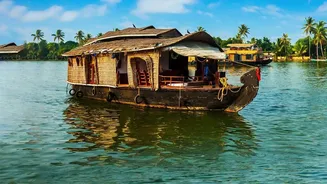
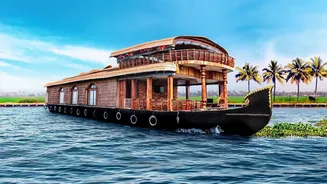
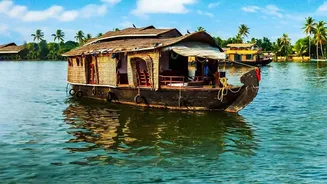
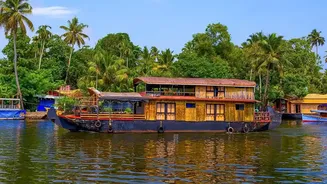
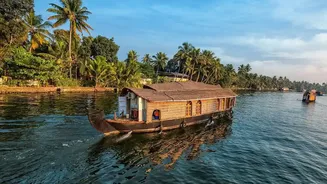
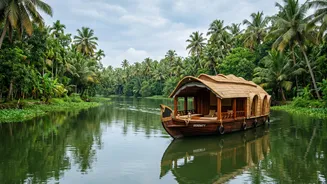
The journey isn't without its challenges. Overdevelopment in popular spots remains a concern, leading to issues like water pollution that can tarnish the very beauty that attracts visitors. Climate change poses another significant threat, with erratic monsoons and floods impacting the state's traditional tourism season and forcing a strategic shift towards becoming a year-round destination. Global events can also have a swift impact, as seen with conflicts affecting international tourist arrivals. Planners are now focused on a five-year strategy to enhance quality over quantity, improve infrastructure like waste management for houseboats, and ensure a more balanced growth across all districts to relieve pressure on overcrowded hotspots.
Why It Still Matters
In a world grappling with the consequences of mass tourism, Kerala's model offers a proven, scalable blueprint for a more equitable and sustainable path forward. It demonstrates that tourism can be a force for good, preserving culture, protecting the environment, and creating inclusive economic growth. For travelers, it offers the chance for more meaningful and authentic experiences, connecting them directly with the heart of a place. As the world increasingly seeks purpose-driven travel, Kerala’s long-standing commitment to putting its people and planet first is not just a relic of the past, but a vital guide for the future of global tourism.