





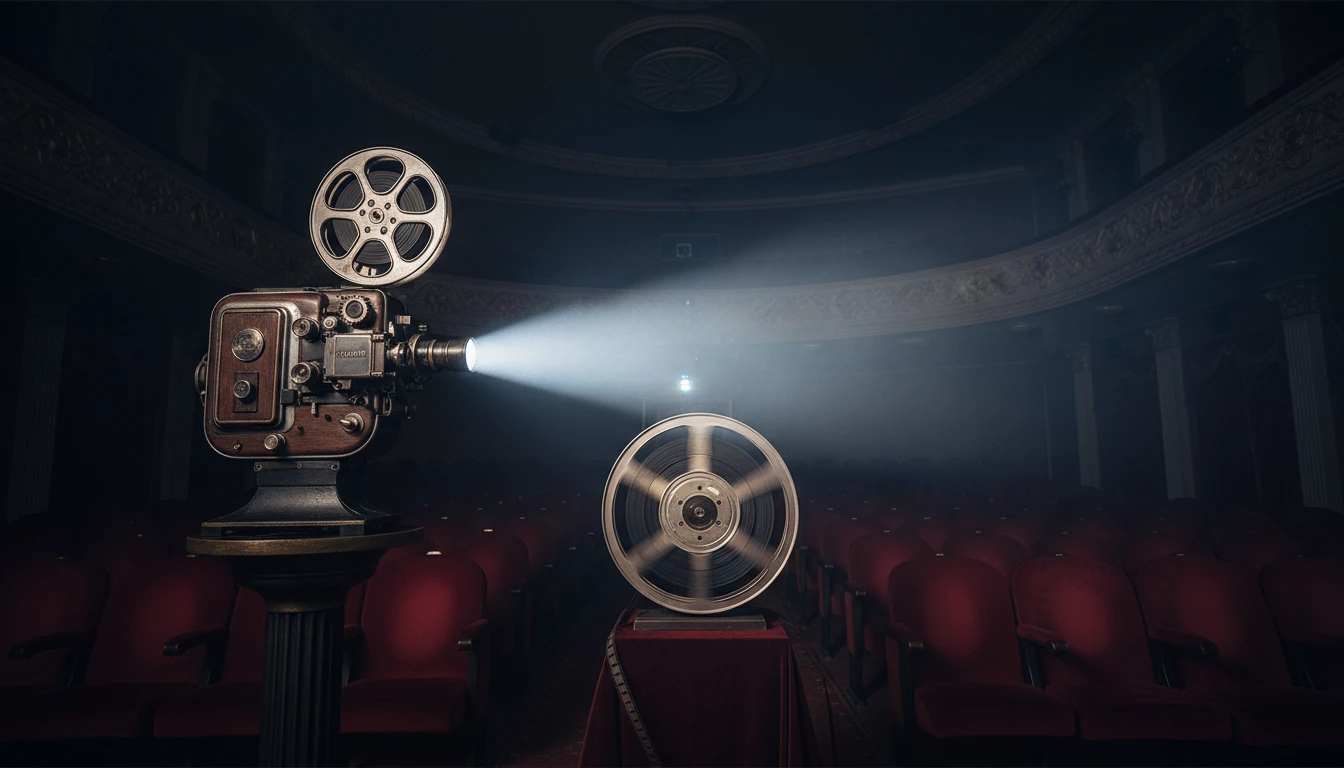


The 600-Pound, 11-Mile-Long Film Reel
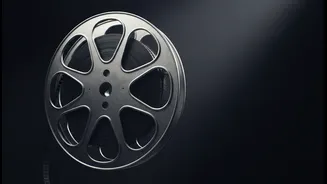
The heart of the challenge lies in Nolan’s unwavering devotion to a format known as IMAX 15/70mm film. Unlike digital projection, which uses data files, this is a physical, analogue process. For his previous film, 'Oppenheimer,' the film print was 11
miles long and weighed nearly 272 kilograms. Each individual frame of the 70mm film is enormous, holding a resolution that some experts equate to 16K or higher, providing unparalleled sharpness and depth. The screen itself is designed to fill your peripheral vision, creating an immersive feeling that Nolan describes as being like "3D without the glasses." This is not just watching a movie; it's being enveloped by it.
A Cathedral for Cinema
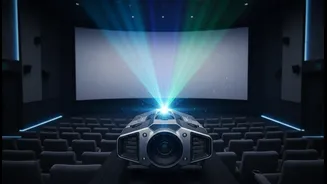
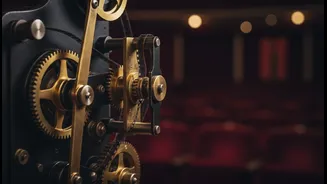
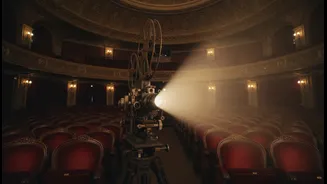
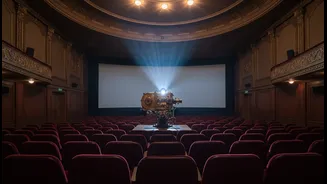
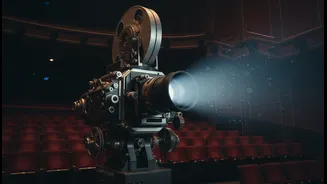
Showing a film of this magnitude requires a specific and rare setup. The projectors are gigantic, mechanical beasts requiring highly skilled, trained projectionists to operate. These machines run the film stock horizontally, a key difference from standard projectors. The platters that hold the massive film reels had to be specially extended for Nolan's three-hour epics. This technology is expensive to maintain and has been largely phased out in favour of cheaper, easier digital systems. As a result, only a handful of venues, mostly science museums and flagship commercial theatres, have kept their 15/70 film projectors operational. For 'Oppenheimer' in 2023, there were only about 30 such theatres worldwide. The headline's claim of 41 for 'The Odyssey' suggests an expansion, reflecting the intense demand Nolan's films generate for this ultimate format.
The Full Picture: 1.43:1 Aspect Ratio
One of the most significant reasons Nolan champions this format is the aspect ratio. IMAX 70mm film captures and projects an image in a 1.43:1 aspect ratio, which is much taller and more squarish than the wider formats seen in most cinemas. This means audiences in these select theatres see up to 40% more of the picture at the top and bottom of the screen. When Nolan films a sequence for IMAX, he composes the shot for this massive canvas. In any other format, including most digital IMAX screens which use a 1.90:1 ratio, the top and bottom of the image are cropped, a phenomenon fans have dubbed "Croppenheimer." To see 'The Odyssey' as Nolan truly intended, you need to see it in a cinema that can project the full 1.43:1 image.
What Are the Options in India?
For film fans in India, this presents a frustrating reality. There are currently no commercial cinemas in the country equipped to project IMAX 15/70mm film. While India once had a few such screens, like the famous Prasad's in Hyderabad, they have since been converted to digital projection due to high operating costs and the rarity of film prints. There is a true IMAX film projector at the Gujarat Science City in Ahmedabad, but it is used for educational documentaries, not commercial blockbusters. Therefore, Indian audiences will not be able to see 'The Odyssey' in its intended format domestically. The best available options will be premium digital formats like IMAX with Laser and other Premium Large Formats (PLFs), which offer superior sound and image quality but will still present a cropped version of the film compared to the 70mm film experience.