





A Year of Unwanted Records
By early July 2026, Ford had initiated 56 separate recall campaigns, impacting over 12.1 million vehicles. This figure places Ford far ahead of its closest competitors and continues a troubling trend for the automaker. In 2025, the company set an all-time
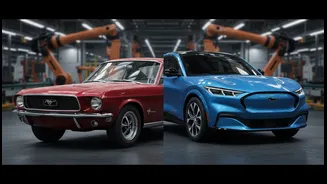
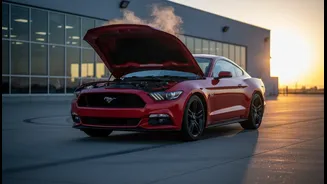
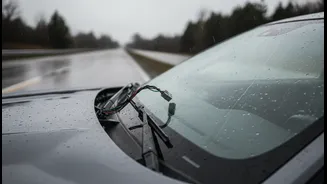
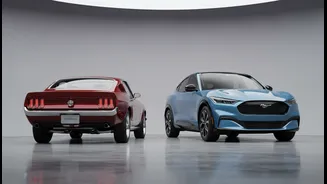
industry record with 153 recalls. While 2026 is on a slightly better trajectory, it is still shaping up to be one of Ford's worst years for quality issues. The problems are wide-ranging, affecting everything from software and rearview cameras to powertrain components and even windshield wipers on models from the popular F-150 truck to the high-performance Mustang.
What Is Going Wrong?
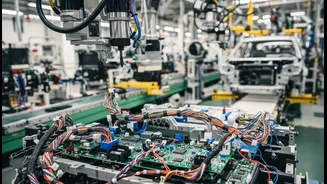
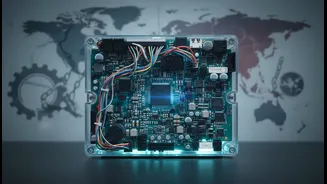
The root causes of Ford's recall woes are complex. CEO Jim Farley has referred to them as “self-inflicted wounds,” acknowledging that quality has become a major financial drain, with warranty costs running into billions. Many issues stem from software glitches in increasingly complex vehicles. A significant portion of 2026 recalls relate to electrical systems and back-over prevention cameras. In some cases, previous software-based repairs were not completed correctly, forcing Ford to issue new recalls for the same vehicles. Beyond software, problems persist in core manufacturing and assembly, such as faulty engine components and even interior trim pieces that were improperly produced by suppliers.
A Paradoxical Picture of Quality
Curiously, Ford's recall crisis coincides with some positive news on the quality front. The company was recently named the top mass-market brand in J.D. Power's 2026 U.S. Initial Quality Study, its best result in over a decade. This study measures problems reported by owners in the first 90 days of ownership. Ford executives point to this as evidence that their internal overhaul is beginning to work for the newest vehicles coming off the line. However, safety advocates note that a high recall count raises serious questions about design and manufacturing processes, regardless of initial quality scores. The sheer volume suggests that while new cars may have fewer immediate problems, deeper-rooted issues are still slipping through to production.
Ford's Battle Plan: Humans Over AI?
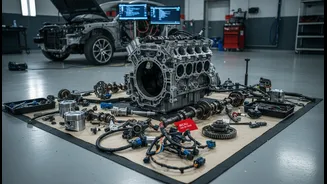
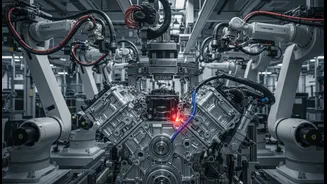
In response, Ford is making significant changes. CEO Jim Farley is restructuring leadership and tying employee bonuses more directly to quality improvements. One of the most notable moves has been a strategic retreat from an over-reliance on artificial intelligence for quality control. The company acknowledged that its AI systems were not catching nuanced defects and has hired or rehired around 350 veteran engineers to bolster its quality-checking processes. These experienced engineers are tasked with auditing designs and training both younger staff and the AI systems themselves. At its engine plants, the company has also shifted from quarterly quality inspections to daily engine teardowns to proactively identify potential flaws.