



Beyond the 'Veg' Label
The long-held belief is that avoiding meat automatically lowers your risk for various lifestyle diseases. However, a growing body of evidence is challenging this notion, particularly in the Indian context. Recent studies highlight a crucial distinction:
the risk of type 2 diabetes is not determined by simply being vegetarian, but by the overall quality of the food on your plate. A diet, even a plant-based one, that is heavy in processed foods, unhealthy fats, and refined carbohydrates can unfortunately pave the way for metabolic issues. The findings point towards a simple but profound truth that what you eat matters far more than what you exclude.
The High-Risk 'Carbotarian' Plate
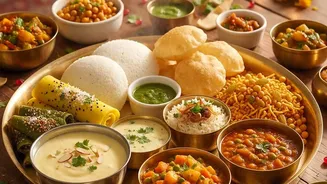
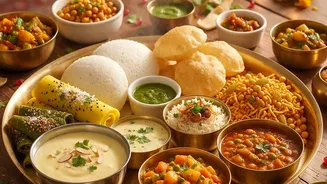
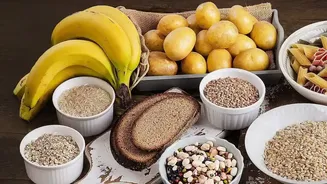
The problem lies in a pattern that some experts have dubbed the 'carbotarian' diet. This is a vegetarian diet that disproportionately relies on refined carbohydrates. In India, this often translates to meals centred around polished white rice and breads made from refined flour (maida), such as naan and certain types of parathas. Add to this the frequent consumption of starchy vegetables like potatoes, deep-fried snacks like samosas and pakoras, and a generous intake of sugar from traditional sweets and sweetened chai or soft drinks. This combination creates a perfect storm for health issues. These foods cause rapid spikes in blood sugar, forcing the pancreas to work overtime to produce insulin. Over time, this can lead to insulin resistance, abdominal fat gain, and ultimately, type 2 diabetes.
Redefining a Healthy Thali
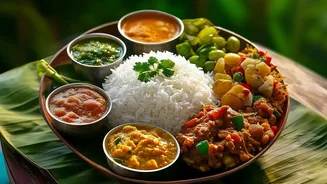
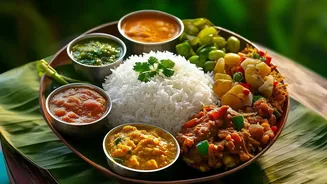
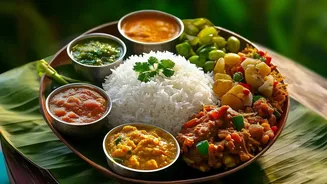
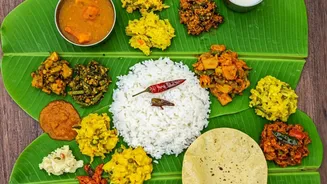
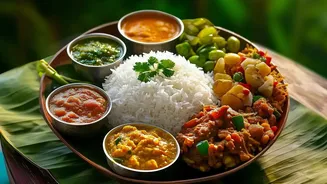
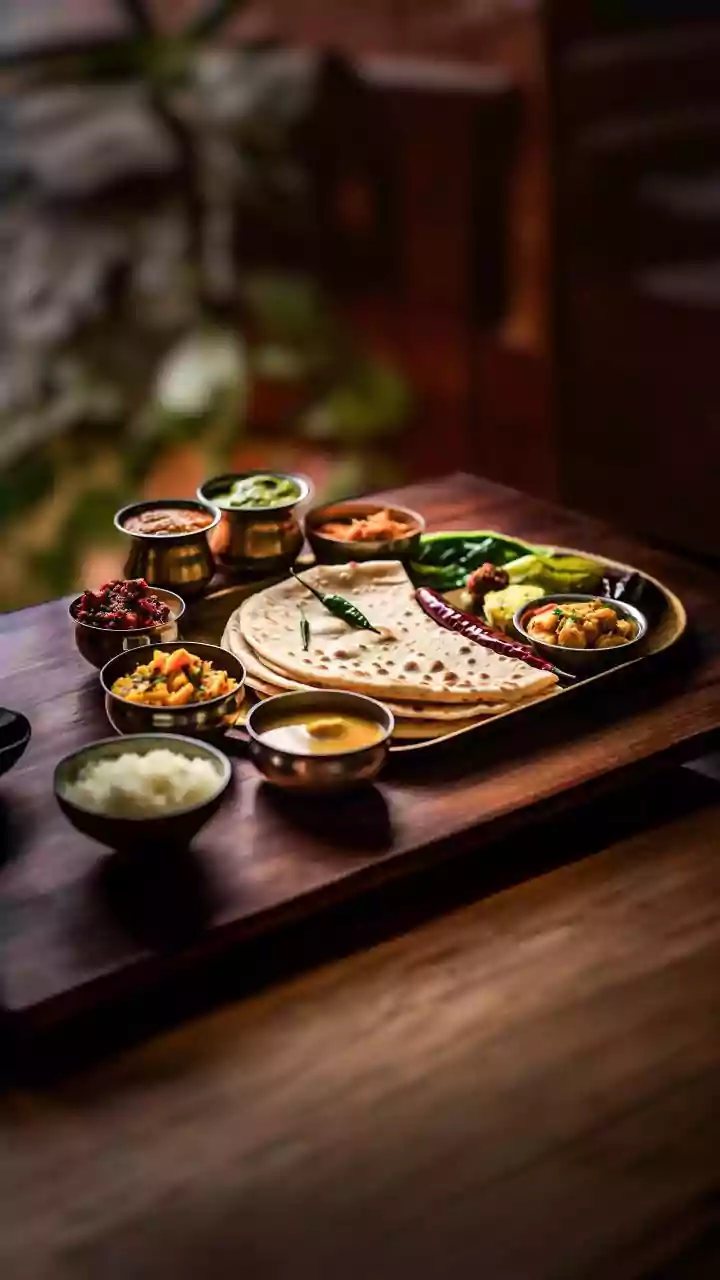
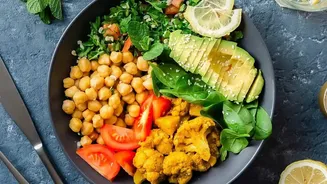
So, what does a protective Indian vegetarian diet look like? It’s all about balance and prioritising nutrient density. A healthy thali should be rich in fibre and protein, with carbohydrates coming from complex, unrefined sources. This means shifting the focus from white rice and maida to whole grains like millets (jowar, bajra, ragi), oats, and whole wheat. The most critical component is adequate protein, which is essential for muscle health and helps keep you full, preventing overeating. Ensure every meal includes a generous portion of lentils (dal), chickpeas (chana), beans (rajma), or paneer. These not only provide sustained energy but also help moderate blood sugar levels. A plate should also be crowded with non-starchy vegetables like leafy greens, gourds, and beans, which provide essential vitamins, minerals, and fibre.
Simple Swaps for Better Health
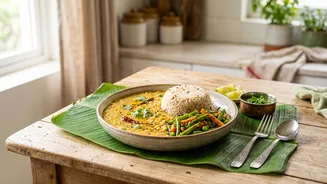
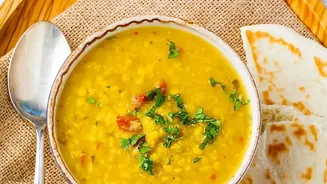
Transforming your diet doesn't require a radical, overnight overhaul. Small, consistent changes can make a significant difference in lowering your diabetes risk. Start by making one swap at a time. Instead of white rice for every meal, try incorporating millets or brown rice a few times a week. When making rotis, use whole wheat flour and consider adding other grain flours for more fibre. Instead of deep-frying snacks, try baking or air-frying them. Be mindful of hidden sugars in packaged foods and beverages. A simple bowl of dal with every lunch and dinner can dramatically improve the protein content of your diet. These conscious choices help in creating meals that nourish your body rather than just filling your stomach, empowering you to take charge of your metabolic health.