




The Allure of the 'Magic Bullet'
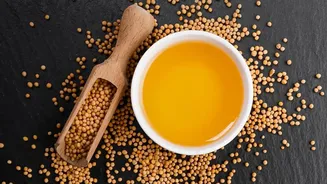
In our fast-paced world, the idea of a quick fix is incredibly appealing. Headlines often celebrate a specific food, like chia, flax, or pumpkin seeds, as the ultimate key to a healthy heart. And to be fair, these seeds are nutritional powerhouses. They
are packed with beneficial nutrients like omega-3 fatty acids, fibre, and minerals such as magnesium, which are all vital for heart function. However, zooming in on one food item misses the bigger picture. No single ingredient can counteract the effects of an otherwise unhealthy lifestyle. A spoonful of flaxseed in your morning smoothie is a great addition, but its benefits are limited if the rest of the day includes highly processed foods, sugary drinks, and saturated fats.
The Power of the Overall Pattern
Think of your diet as a symphony orchestra. A single violin, no matter how brilliantly played, cannot produce the rich, complex sound of a full orchestra. Similarly, one healthy food cannot provide the same benefit as a complete, balanced dietary pattern. The American Heart Association and other leading health bodies consistently emphasize that our overall eating habits are what truly matter for long-term heart health. Dietary patterns like the Mediterranean diet or the DASH (Dietary Approaches to Stop Hypertension) diet are consistently linked to better cardiovascular outcomes. These approaches aren't about a single magic ingredient; they are about the combined effect of eating a wide variety of nutrient-dense foods regularly. This synergy—where different nutrients work together—is what provides the most profound protection for your heart.
Building a Heart-Healthy Plate
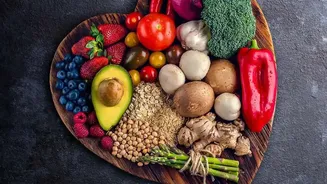
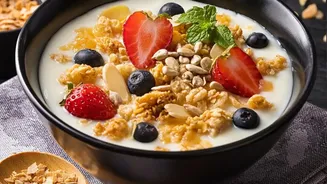
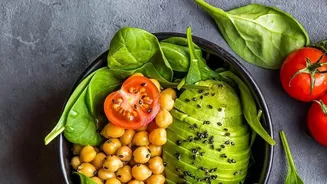
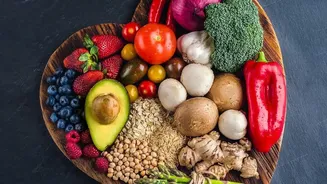
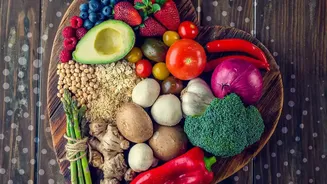
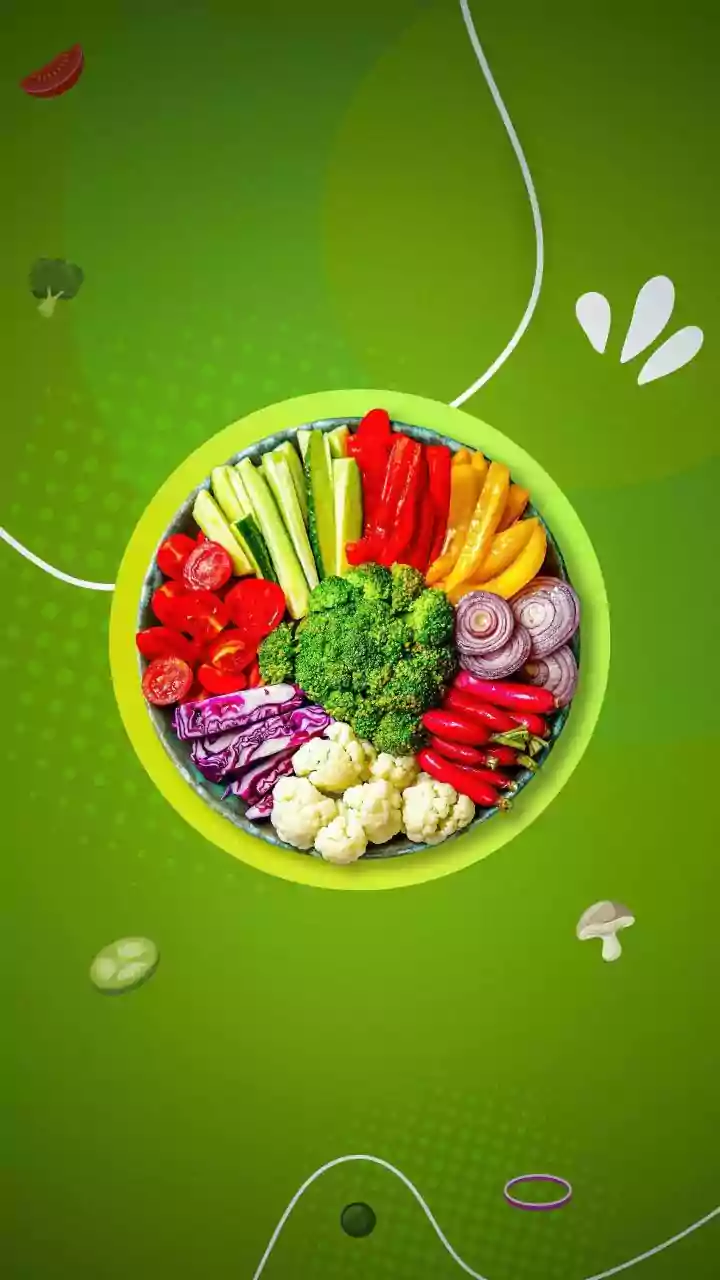
So, what does a heart-healthy eating pattern look like in practice? It’s simpler and more flexible than you might think. The core principle is to focus on whole and minimally processed foods. Aim to fill your plate with a variety of fruits and vegetables, which are rich in antioxidants that protect your arteries. Choose whole grains like oats, brown rice, and whole-wheat bread over refined grains. For protein, prioritize plant-based sources like beans, lentils, and nuts. Fish, especially fatty fish rich in omega-3s, is another excellent choice. Opt for healthy unsaturated fats from sources like olive oil, avocados, and, yes, seeds, while limiting saturated fats found in red and processed meats. Crucially, it's also about what you reduce: minimizing added sugars, excessive salt, and ultra-processed foods is just as important.
Food as Support, Not a Cure
It’s important to discuss food’s role in health responsibly, without making unsupported treatment claims. While a healthy diet is a powerful tool for preventing and managing heart disease, it is not a replacement for medical care. Viewing food as a 'cure' can be misleading and even dangerous if it leads someone to abandon proven medical treatments. Instead, think of food as a foundational pillar of support for your overall health. A nutritious diet works alongside other critical factors like regular exercise, stress management, and adequate sleep to create a holistic strategy for a healthy heart. When food is seen as one part of a larger wellness plan—rather than a standalone miracle—it empowers us to make sustainable, positive changes without falling for the myth that one seed can do it all.