








The Man on a Mission
The officer at the center of the storm is Tukaram Mundhe, a 2005-batch IAS officer currently serving as the Commissioner of Maharashtra's Food and Drug Administration (FDA). Since taking charge in May 2026, Mundhe has launched an aggressive, statewide
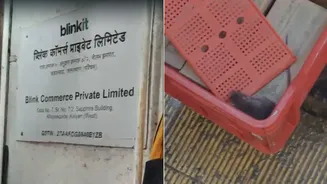
campaign targeting everything from hygiene violations in famous restaurants to food adulteration. Under his leadership, the FDA has conducted over a thousand inspections, leading to the suspension of licenses for dozens of establishments, including iconic Mumbai eateries, popular pizza chains, and even quick-commerce warehouses. Raids have uncovered issues like pest infestations, expired ingredients, and unhygienic kitchen practices, bringing food safety into sharp public focus.
A Career of Disruption and Transfers
For those familiar with Maharashtra's bureaucracy, Mundhe's current crusade is no surprise. His career, spanning over two decades, is marked by a staggering number of transfers—reportedly around 25. This record is widely seen not as a mark of incompetence, but as a consequence of his rigid, no-compromise approach to enforcing rules, which often puts him at odds with political and business interests. Whether as a municipal commissioner in Navi Mumbai, where he scrapped expensive, non-essential projects, or as a district collector, his tenure is consistently defined by taking on entrenched systems. This history has earned him nicknames like "Singham" and a reputation as a folk hero among citizens who see him as an honest officer unafraid to do his job.
The Rules of the Game
The ongoing crackdown is not arbitrary. Mundhe is rigorously enforcing the Food Safety and Standards Act, 2006. Inspectors are targeting specific, documented violations that compromise public health. These include a lack of proper FSSAI licenses, failure to maintain the cold chain for perishable goods, storing raw and cooked food together, and unsanitary conditions. The drive has uncovered widespread issues, from adulterated milk and paneer to the sale of banned gutkha. Mundhe has stated that anyone following the law has nothing to fear, placing the onus squarely on businesses to adhere to established safety protocols. The campaign has even extended to promoting healthier habits, with a directive to ban junk food sales near schools.
Cheers and Jeers
The reaction to Mundhe's work has been deeply divided. On one side, he has received widespread public support, with citizens giving him standing ovations at public events and praising his efforts on social media. Supporters, including prominent industrialists, view him as a much-needed force for accountability in a system often perceived as lax. On the other side, restaurant associations and business owners have complained about his "high-handed" methods, arguing the sudden, harsh actions disrupt business and livelihoods. Even the Bombay High Court has commented on his methods, advising a more balanced approach. This split highlights the classic tension between stringent regulation for the public good and the commercial realities faced by businesses.
The Mundhe Method
Tukaram Mundhe’s approach is defined by its directness. Born into a farming family in Beed, he has spoken about how witnessing the government's failure to deliver on its promises inspired him to join the civil services. His method involves surprise inspections, a strict interpretation of the law, and an apparent indifference to the status or reputation of the establishments being inspected. From iconic heritage cafes to major fast-food chains and the canteen at the Bombay High Court, no entity has been exempt. He has stated that transfers do not bother him, as he views them as new opportunities to implement positive change. This philosophy, combined with his track record, paints a picture of a public servant singularly focused on his mandate, regardless of the personal or professional consequences.