








Breaking Down The Monetary Cost
The most widely cited figure for the cost of running Parliament is approximately ₹2.5 lakh per minute. This estimate, though over a decade old, remains the standard reference point in the absence of updated official numbers. This translates to about ₹1.5
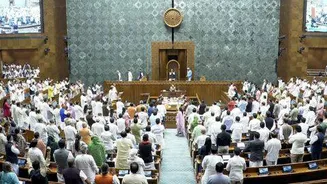
crore per hour and can add up to ₹9 crore for a typical six-hour sitting day. These expenses cover a wide range of operational costs, including salaries and allowances for Members of Parliament and staff, building maintenance, utilities like electricity and water, and extensive security arrangements. When proceedings are brought to a halt by disruptions, these costs do not stop. The infrastructure remains operational and salaries are still paid, meaning taxpayer money is spent even when no legislative work is accomplished. During particularly contentious sessions, the financial toll can be staggering, with estimates for washed-out periods running into crores of rupees.
The Price of Legislative Paralysis
The true cost, however, extends far beyond the direct financial drain. The primary function of Parliament is to legislate—to create, debate, and pass laws that govern the nation. When disruptions occur, this core function is crippled. Important bills, which can range from economic reforms to social welfare schemes, are often delayed or passed without adequate discussion. For instance, bills concerning crucial sectors like technology, health, and finance can remain pending, leading to a policy-making vacuum. In some cases, to make up for lost time, multiple bills are passed within minutes, with little to no debate. This legislative rush undermines the quality of laws, as they are enacted without the necessary scrutiny and refinement that thorough debate provides. The delay in passing key legislation like the GST in the past was cited as an example of how parliamentary logjams can have a wider economic impact.
Eroding a Pillar of Democracy: Accountability
A functioning Parliament is the most powerful tool for holding the government accountable. Key procedural devices like Question Hour and Zero Hour are specifically designed for this purpose. Question Hour allows MPs to directly question ministers on their policies and actions, forcing the government to provide answers and justifications. Zero Hour enables members to raise urgent matters of public importance. Disruptions frequently lead to the complete washout of these crucial accountability sessions. When this happens, the government is spared from difficult questions and public scrutiny on pressing issues. This erosion of accountability is an unmeasurable but severe cost. Without these checks and balances, the executive branch can function with minimal oversight, which weakens the democratic fabric of the country.
Productivity on the Decline
Data from parliamentary research bodies paints a clear picture of declining productivity. For example, recent sessions have seen productivity levels—the hours worked versus the hours scheduled—drop significantly. In some cases, the Lok Sabha and Rajya Sabha have functioned for less than a third of their scheduled time. The 17th Lok Sabha (2019-2024) was noted for having one of the lowest numbers of sitting days for a full-term Lok Sabha since 1952. While disruptions have been a tool used by opposition parties across different eras, their increasing regularity has become a serious concern. This consistent loss of functional hours not only stalls legislative work but also prevents MPs from representing the concerns of their constituents on the national stage.