

The Nutritional Powerhouse
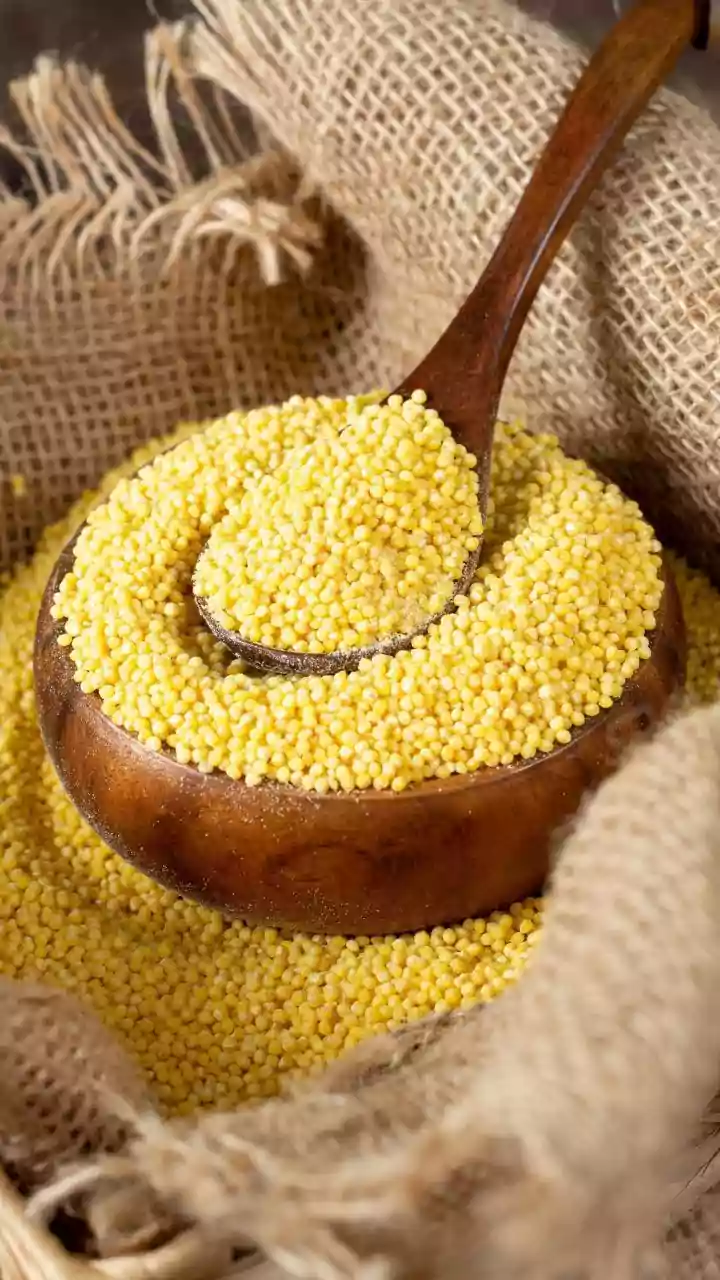
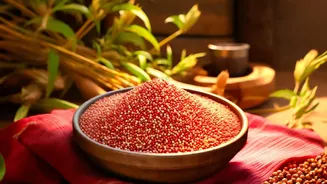
Before exploring new recipes, it is worth remembering why ragi, also known as finger millet or nachni, is considered a superfood. It is a nutritional giant, celebrated for being a rich plant-based source of calcium, which is crucial for bone health. Naturally
gluten-free, it is packed with dietary fibre, iron, and essential amino acids. Its high fibre content helps you feel full for longer, aiding in weight management, while its low glycaemic index makes it beneficial for managing blood sugar levels. From supporting digestion to boosting immunity, ragi offers a wide spectrum of health benefits that make it a worthy addition to any meal.
Upgrade Your Breakfast
Move beyond the traditional morning porridge. Ragi flour can instantly upgrade your breakfast favourites. Try making ragi pancakes by substituting about a quarter of your regular flour with ragi flour. They are delicious with banana, jaggery, and a hint of cardamom. For a savoury start, an instant ragi dosa is a quick and satisfying option. Just mix ragi flour with curd, water, and finely chopped onions and chillies for a batter that does not require fermentation. You can also add a tablespoon of ragi flour to your morning smoothie for a creamy, fibre-rich boost that will keep you energised for hours.
Bake with a Healthy Twist
Ragi's earthy, nutty flavour pairs wonderfully with baked goods, especially chocolate. You can introduce ragi into your baking by replacing 25-30% of wheat or all-purpose flour in recipes for cakes, muffins, and brownies. A chocolate ragi cake, for instance, turns out incredibly moist and rich, with the millet’s flavour complementing the cocoa perfectly. Ragi banana bread is another excellent choice, as the sweetness of ripe bananas balances the earthiness of the millet. These healthier bakes are a great way to indulge without guilt.
Reinvent Your Snacks
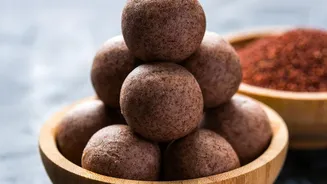
Snack time can also get a healthy ragi makeover. Instead of fried snacks, try making baked ragi twisters or namak pare. These savoury crackers are easy to make and serve as a perfect tea-time companion. For something crispy, ragi pakodas are a fantastic option. The key is to mix ragi flour with besan and rice flour, along with thinly sliced onions and spices. Letting the mixture sit allows the onions to release water, creating a batter that results in perfectly crunchy fritters without adding extra water. You can also make healthy ragi ladoos with jaggery and nuts for a quick, energy-boosting sweet treat.
Innovate Your Daily Meals
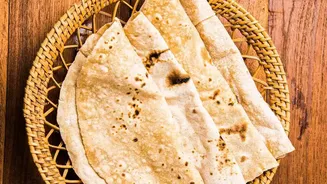
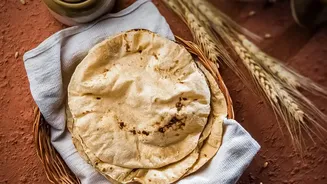
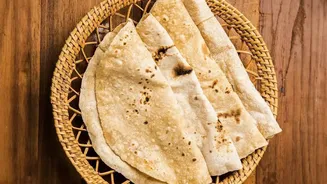
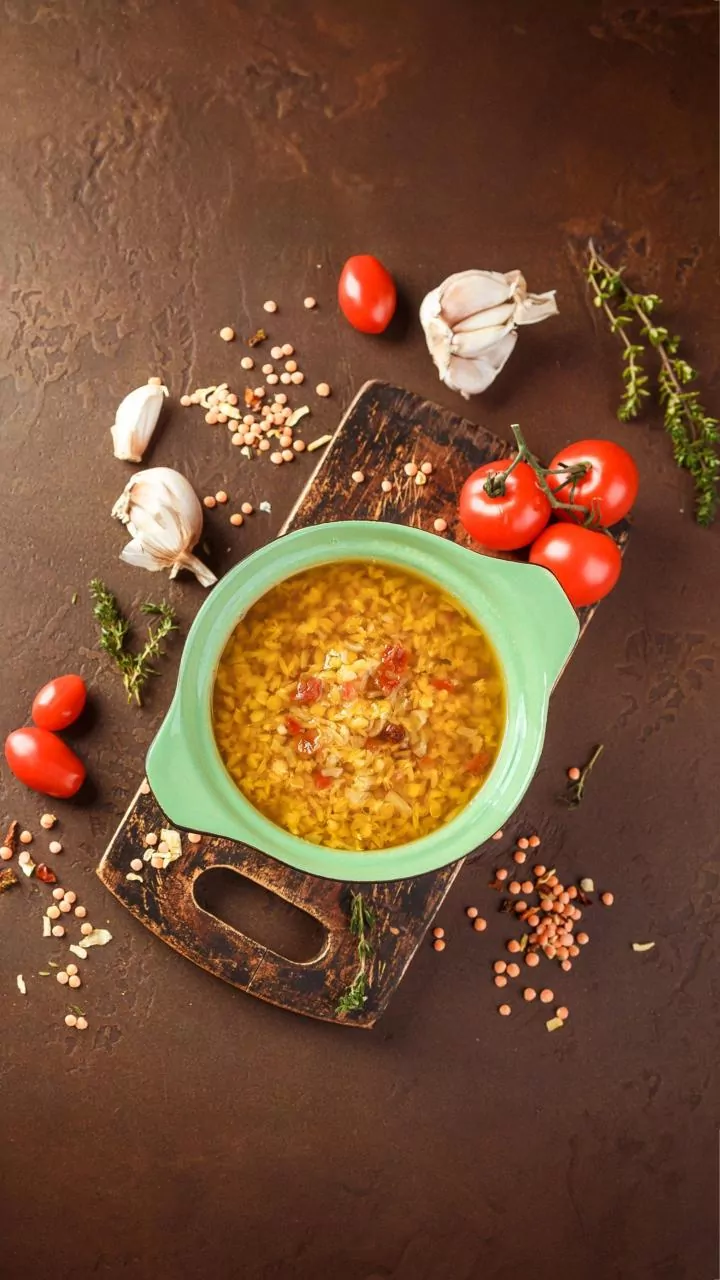
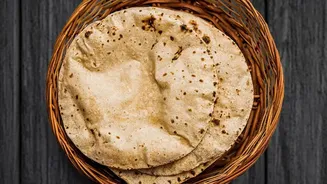
Incorporating ragi into your main meals is simpler than you think. While ragi rotis are common, you can make them softer by using hot water to knead the dough. For a different take, try making ragi upma, a high-fibre alternative to the usual semolina version, cooked with mustard seeds, vegetables, and spices. Ragi can also be used as a thickener for soups and stews. Whisk a small amount of ragi flour with cold water to make a slurry before adding it to a simmering mushroom or lentil soup. It adds a nutritional boost and a pleasant, earthy depth of flavour.