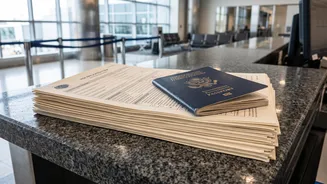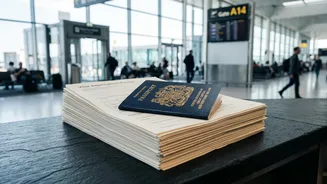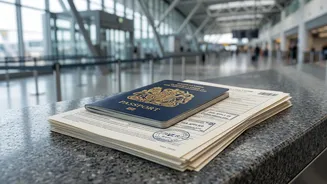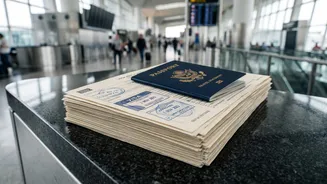





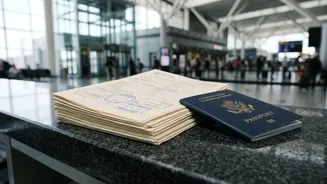
The world is more open than ever, yet a new survey reveals a frustrating travel paradox: as our desire to explore grows, the complexity of simply entering another country is getting worse, not better, for a significant number of travellers.
A Growing Barrier to Travel
According to
the International Air Transport Association's (IATA) 2026 Global Passenger Survey, complicated entry formalities are a significant and growing deterrent for international travellers. The survey, which gathered responses from over 10,000 travellers across 200 countries, found that 43% of passengers have been discouraged from visiting a destination specifically because of its immigration requirements. This marks a substantial increase from 33% reported in 2025, signalling a rising tide of frustration among global travellers. While overall satisfaction with air travel remains high at 87%, the experience at border control and immigration lags significantly, with only a 70% satisfaction rate.
Complexity is the Core Problem
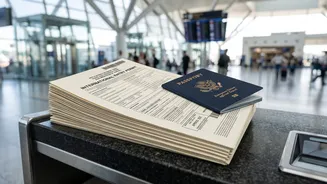
The primary source of this frustration isn't just one thing, but a web of confusing rules. When asked what specifically put them off, a majority of discouraged travellers—53%—cited the sheer complexity of the process. This far outweighed other concerns like cost and data privacy, which were each named by 17% of respondents. The findings suggest that for many, the ordeal of navigating visa applications, gathering documents, and understanding inconsistent rules is a bigger barrier than the actual price of the visa itself. This administrative burden is creating a clear divide between the desire to travel and the willingness to endure the process to get there.
The Digital Disconnect
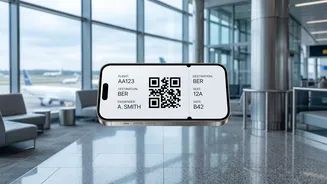
Ironically, this is happening in an era of rapid technological advancement. Passengers are eagerly embracing technology in other areas of their journey. The same IATA survey highlights that nearly half of all travellers now use AI to plan trips, and a growing majority are comfortable with biometrics to speed up airport processes. However, this efficiency disappears at the border. While more than 100 countries now issue eVisas, a lack of common standards for verification means airlines and travellers are left navigating a fragmented and inconsistent system. Passengers clearly want a digital solution; 60% would prefer to apply for a visa online rather than in person, and 86% are willing to share their information in advance to speed up the process upon arrival. The technology exists, but its implementation is lagging.
A Challenge for Indian Travellers
These global trends are particularly resonant for Indian travellers, who often face a more demanding visa landscape than citizens of many other nations. The IATA survey's regional data showed that travellers in the Asia-Pacific region were among the most likely to be discouraged by entry requirements. The added layers of paperwork, longer processing times, and uncertainty associated with visa applications for many popular destinations add a significant layer of stress and complexity to planning international trips from India. While domestic initiatives like Digi Yatra are streamlining airport experiences within the country, the international puzzle remains a major hurdle.
IATA's Call for Simplification
In response to the survey's findings, IATA is urging governments to modernise and simplify their entry processes. Nick Careen, IATA's Senior Vice President of Operations, Safety and Security, noted that while passengers are embracing biometrics and digital identity, they 'continue to face barriers from complex immigration and visa processes'. The association is calling for the elimination of duplicate checks and, most importantly, the acceleration of secure Digital Travel Credentials (DTCs). The goal is to create a system where a passenger's identity and travel authorisations can be verified digitally and seamlessly, long before they reach the airport, making the journey smoother for travellers and more secure for governments.