


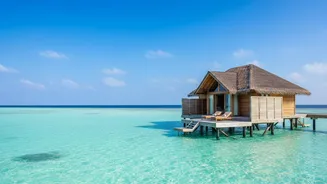
Paradise Under Pressure
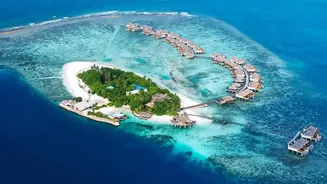
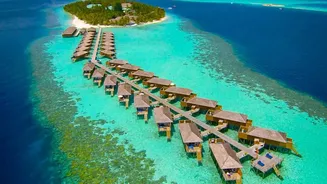
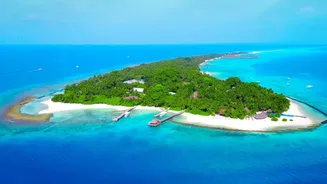
The very existence of the Maldivian archipelago, a nation of over 1,000 coral islands, is threatened. With 80% of its land less than a meter above sea level, rising oceans pose a direct and imminent danger. But the more immediate crisis is happening just
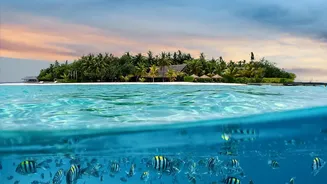
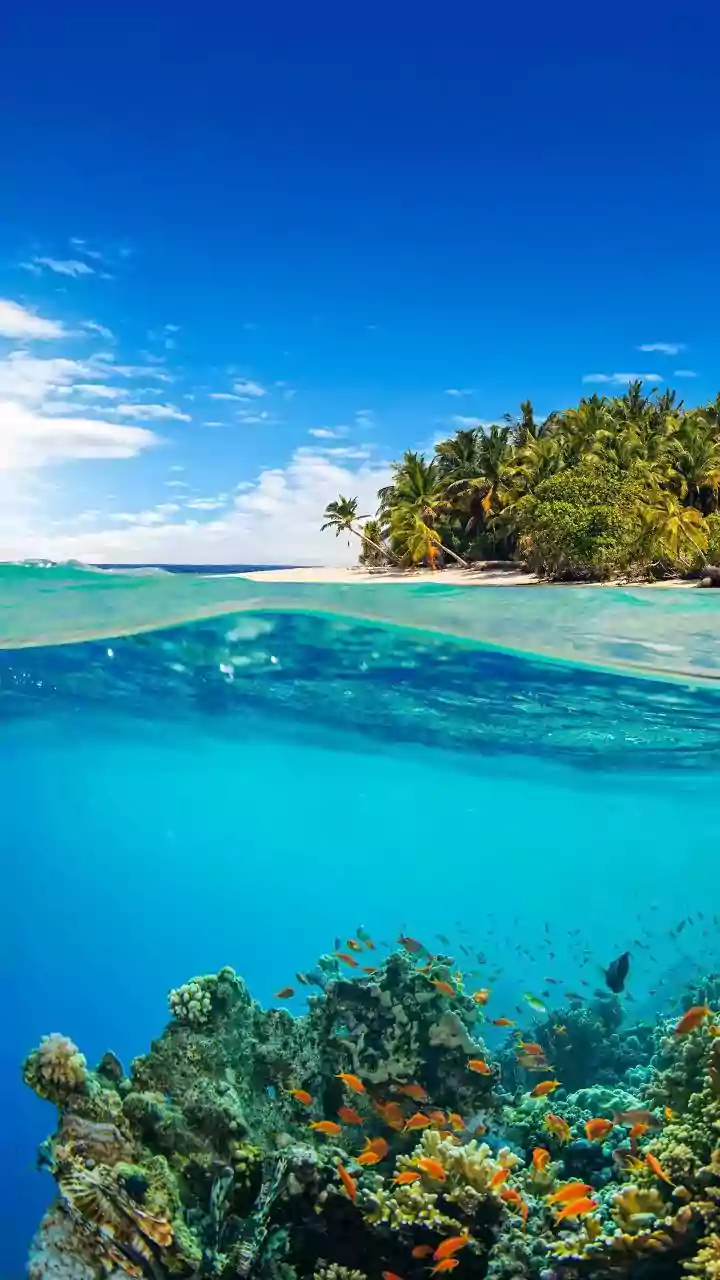
below the waves. Rising sea temperatures have led to widespread coral bleaching, a phenomenon where corals expel the vibrant algae living in their tissues, turning them bone-white. These events have devastated large sections of the reefs that are not only home to a quarter of all marine life but also act as a natural barrier protecting the islands from storm surges. This environmental reality has prompted a shift in the nation's world-famous tourism industry, moving beyond simple luxury to embrace a new role of stewardship.
From Tourist to Reef Guardian
A new category of travel is emerging where the most memorable experience isn't just a spa treatment, but a morning spent with a marine biologist. Resorts across the Maldives are now inviting guests to become active participants in protecting and restoring the environment they've travelled so far to see. These hands-on conservation programs are turning tourists into temporary guardians, offering them a deeper, more meaningful connection to the destination. Rather than being passive observers, visitors can now play a direct role in safeguarding the future of these islands by contributing to projects led by on-site experts.
Rebuilding the Reefs, One Coral at a Time
The most popular and impactful of these experiences is coral reef restoration. Resorts like the Four Seasons Landaa Giraavaru and Kuda Huraa, in partnership with the environmental organisation Reefscapers, have pioneered one of the world's most extensive coral propagation projects. Guests can sponsor a metal frame, and under the guidance of marine biologists, attach small, broken fragments of live coral to it. These frames are then placed in underwater nurseries, where the fragments can grow into new colonies. Over time, these frames mature into vibrant micro-reefs, attracting fish and other marine life. Many resorts, including The St. Regis Vommuli Resort and Sheraton Maldives, offer guests the ability to track their coral's growth online through photo updates, creating a lasting bond with the ecosystem. These initiatives are not just for show; projects have successfully planted hundreds of thousands of coral fragments, measurably improving reef resilience.
Protecting Gentle Giants and Ancient Mariners
Beyond coral, conservation efforts extend to the Maldives' iconic marine megafauna. Several resorts are deeply involved in the protection of sea turtles, which face dangers from poaching and habitat loss. At Coco Palm Dhuni Kolhu, which serves as a nesting site for endangered Green Sea Turtles, resident marine biologists protect nests and educate guests. Many resorts also host turtle rehabilitation centres, where injured turtles are cared for before being released back into the ocean, an experience guests can often witness. Similarly, organizations like the Manta Trust partner with resorts to study and protect the majestic manta ray populations, particularly in UNESCO Biosphere Reserves like Baa Atoll. Guests can join marine biologists on guided snorkelling trips to identify and record manta ray sightings, contributing valuable data to global research efforts.
An Education for the Next Generation
Recognizing that long-term change requires education, many Maldivian resorts now offer dedicated programs for younger guests. Six Senses Laamu and Amilla Maldives run 'Junior Marine Biologist' programs, where children can learn about coral reefs, turtles, and sharks through engaging, hands-on activities. These courses, which often include guided snorkels and science experiments, aim to inspire a new generation of ocean advocates. By making complex ecological concepts accessible and fun, these resorts are fostering a sense of environmental responsibility in their youngest visitors, ensuring the legacy of conservation continues.