





The Post-Monsoon Promise
October marks a significant shift in India's wildlife calendar. After being closed for several months to allow the ecosystem to regenerate and provide privacy during breeding seasons, most core zones of the country's premier tiger reserves open their
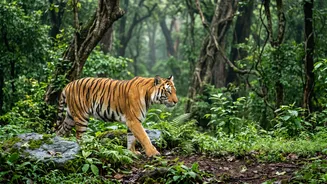
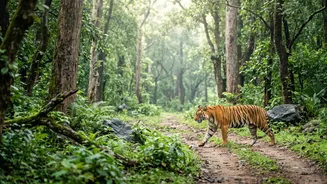
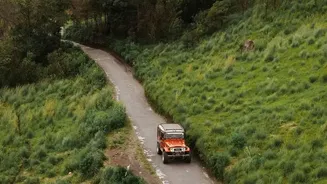
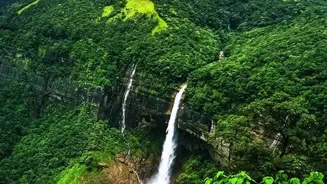
gates to visitors. The first few weeks post-reopening present a forest unlike any other time of year. The landscape, washed clean by months of rain, is intensely green and vibrant. Water bodies are full, the air is crisp, and the forest floor is a carpet of new growth. This period offers a feast for the senses, where the environment itself is as much of an attraction as the animals within it. It's a photographer's dream, with dramatic skies and lush backdrops that make for stunning imagery.
A Park-by-Park Reopening
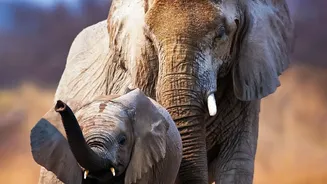
The reopening is not a uniform event; dates and access vary significantly between parks and even between different zones within the same park. Generally, many reserves in Central India, like Kanha and Bandhavgarh, along with Ranthambore in Rajasthan, reopen their core zones around October 1st. However, some may have a staggered start. For instance, in Jim Corbett National Park, India's oldest, the Jhirna and Bijrani zones might open in mid-October, while the core Dhikala zone, famous for its grasslands and elephant herds, typically welcomes visitors from mid-November. Tadoba-Andhari in Maharashtra, known for its high tiger density, also reopens on October 1st. It is crucial for travellers to check the specific schedule for their park of interest, as these dates are determined by local conditions and forest department directives.
Navigating the Permit Maze
Securing a spot on a safari is the biggest hurdle for many aspiring visitors. Permits for the most popular tiger reserves are released online, often 90 to 120 days in advance, and are notorious for selling out within minutes, especially for peak dates and premium zones. Each park has its own official government portal for booking, which requires creating an account, uploading valid ID proof, and making an online payment. For parks like Ranthambore and Corbett, this process can be highly competitive. An alternative is to book through reputable lodges or specialised local tour operators, who often have a better understanding of the system and can manage the entire process, including securing permits, vehicles, and guides, though this comes at a higher cost. Planning well in advance is not just recommended; it's essential.
Lush Views vs. Elusive Cats
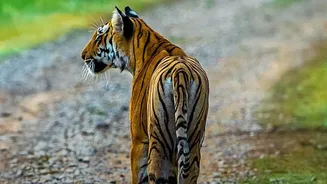
While the post-monsoon landscape is breathtakingly beautiful, it's important to balance expectations regarding tiger sightings. The same dense foliage and abundant water that make the forest so vibrant can also make tracking tigers more challenging. With water available everywhere, tigers are less restricted to specific waterholes, unlike in the hot summer months. The thick vegetation can also reduce visibility. However, this doesn't mean sightings are impossible. Skilled naturalists rely on other signs, like alarm calls from deer and monkeys or fresh pugmarks on muddy tracks. Moreover, the early season offers a richer overall wildlife experience, with excellent opportunities for birdwatching as migratory species begin to arrive.
Tips for a Successful Early-Season Safari
To make the most of a trip in October or November, a few tips can go a long way. First and foremost, book your safari permits the moment they become available. Once permits are secured, book your accommodation, as good lodges near popular gates also fill up quickly. Pack layered clothing, as early mornings can be cool and misty, while afternoons might be warm. Engage a knowledgeable guide and driver; their expertise is invaluable, especially when visibility is low. Finally, be patient. A safari is about the entire forest experience, not just the tiger. Enjoy the calls of the birds, the sight of deer grazing in misty meadows, and the sheer beauty of a rejuvenated wilderness. The tiger, when it appears, will be the magnificent culmination of a memorable journey.