


Why Paper Choice is Everything
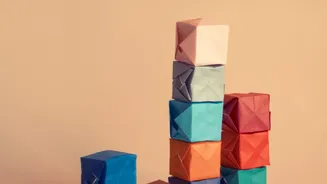
When you're creating small-scale origami, a wide variety of thin papers will do the trick. However, when you scale up to a room accent—an item that needs to support its own weight and withstand the test of time—the physical properties of the paper become
paramount. A large folded structure puts significant stress on its creases. If the paper is too flimsy, it will sag. If it’s too brittle or thick, it will crack and refuse to hold a clean line. A successful project starts long before the first fold, with a deliberate and informed paper selection that balances strength with flexibility.
Decoding Paper Weight (GSM)
Paper weight is most reliably measured in Grams per Square Metre (GSM). A higher GSM value means a heavier, denser sheet of paper. Standard office printer paper is typically around 80-90 GSM, which is too light for most structural crafts. For a folded room accent like a lampshade or 3D figure, you need something with more substance. A good range to aim for is between 160 and 220 GSM. Paper in this range is often referred to as cardstock. It's thick enough to be structurally sound and hold its shape, but still thin enough to be scored and folded without immense difficulty. Anything below 160 GSM may not be rigid enough, while paper above 220 GSM can become very difficult to fold cleanly, even after scoring.
The Unseen Factor: Paper Grain
Much like wood, every sheet of paper has a grain—the direction in which most of its fibres are aligned. This tiny detail has a huge impact on your final product. Paper bends and folds much more easily and cleanly when the fold is parallel to the grain. Folding against the grain puts more stress on the fibres, which can lead to uneven, weak, or even cracked creases, especially with heavier paper. To find the grain direction, gently bend the paper one way, then the other. It will offer less resistance when bending parallel to the grain. For projects with folds running in multiple directions, choose a paper that is forgiving, but for designs with dominant fold lines, always try to align them with the paper's grain for the sharpest and most durable results.
Material and Finish Matter
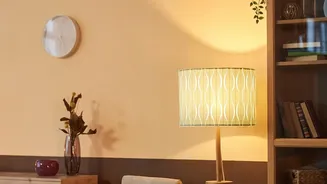
Beyond weight and grain, the paper's composition and finish play a vital role. Matte, solid-core cardstock is a favourite among crafters because it doesn't show a white core when folded, providing a clean, professional look. Papers with a high cotton content are strong and durable, while bamboo-based papers offer a unique texture. Avoid using very thin craft paper or paper that is overly glossy and slippery, as it can be difficult to glue and may resist creasing. For pieces like lampshades, the paper's translucency is also a key consideration. A more opaque paper will direct light up and down, while a translucent one, like some handmade or rice papers, will create a soft, diffused glow throughout the room.
Top Paper Types to Consider
For reliable results, look for specific types of paper known to work well for 3D crafts. Medium-weight cardstock (around 180-200 GSM) is the safest all-around choice for decorative figures and structures. Bristol board is another excellent option; it is a stiff, durable paper that is highly resistant to tearing and holds a sharp crease. Architectural model-making papers, designed for building sturdy models, are also a great fit. For a more artisanal feel, some high-quality handmade papers or even heavier scrapbook papers can work, provided they are in the correct weight range and have a consistent texture. When in doubt, start with a solid-colour matte cardstock to master your technique before moving on to more expensive or textured specialty papers.