






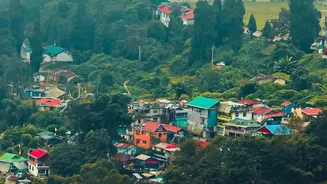
The Paradise Paradox: Loved to Death?
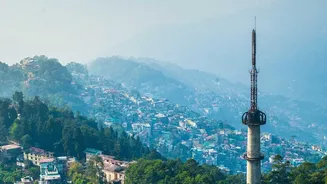
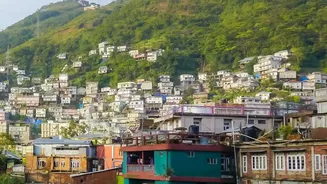
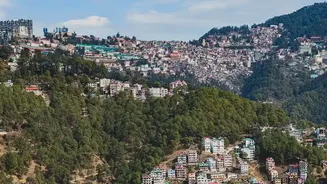
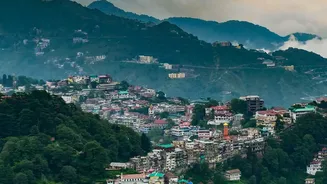
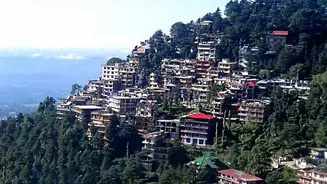
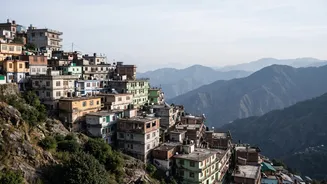
Popular destinations like Shimla, Manali, Mussoorie, and Ooty are straining under the weight of their own popularity. Originally planned for small populations—Shimla, for instance, was built for just 25,000 people but now hosts a massive influx—these
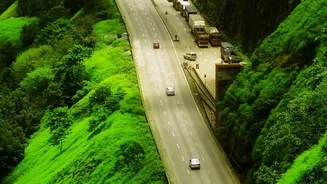
towns are now urban sprawls in the mountains. The very qualities that draw millions of visitors—cool air, green landscapes, and peaceful ambiences—are being systematically eroded by the sheer volume of people. Instead of quiet walks, visitors often find gridlocked traffic that can stretch for hours and main promenades so crowded there is little room to move. This isn't just a peak-season problem anymore; it's a year-round crisis that has many wondering if these beloved retreats have lost their soul to commercialisation.
The Hidden Costs of Unchecked Tourism
Beyond the visible chaos of traffic jams and crowded markets lie deeper, more alarming issues. The ecological carrying capacity of these fragile Himalayan and Western Ghats ecosystems has been breached. A primary concern is the immense pressure on water resources, with many hill stations facing acute shortages, forcing local authorities to ration water for residents while tourism businesses consume large quantities. Waste management is another critical failure, as inadequate systems are overwhelmed by tonnes of plastic bottles, food wrappers, and other non-biodegradable trash that choke forests and rivers. Unregulated construction of hotels and resorts, often flouting environmental norms, leads to deforestation and soil erosion, increasing the risk of landslides in these geologically sensitive zones.
What's Fuelling the Unprecedented Rush?
Several factors are converging to drive this tourist surge. The phenomenon of "revenge travel" following the pandemic saw a massive spike in domestic tourism. This was amplified by significantly improved infrastructure, such as new highways and tunnels, which has made these once-remote destinations more accessible. The relentless influence of social media also plays a major role, creating viral interest in specific 'Instagrammable' spots and driving concentrated tourist traffic to locations that cannot handle the footfall. This combination of pent-up demand, easier access, and digital trends has created a perfect storm, turning quaint towns into overburdened tourist hubs.
The Search for a Sustainable Future
The problem is not tourism itself—which remains a vital economic lifeline for mountain communities—but its unsustainable management. Experts and environmentalists are calling for a fundamental shift from a model of high-volume tourism to one of high-value, low-impact travel. Potential solutions include implementing carrying capacity studies to determine and enforce a limit on the number of visitors and vehicles allowed in sensitive areas. There's also a push to develop and promote lesser-known destinations to disperse the tourist load and to encourage off-season travel. Other proposed measures include green taxes, strict enforcement of construction regulations, and a complete ban on single-use plastics to tackle the waste crisis. Ultimately, preserving these destinations requires a coordinated effort from governments, businesses, and tourists themselves.