
The Classic: Rava Upma
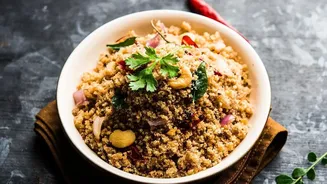
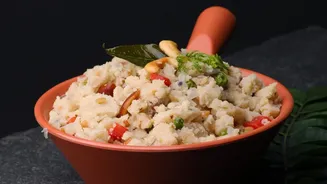
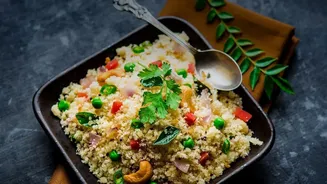
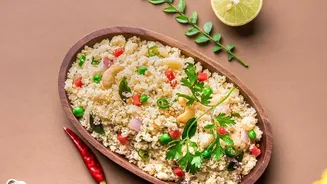
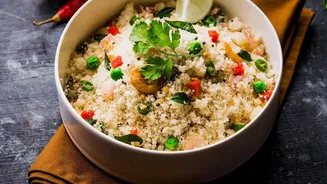
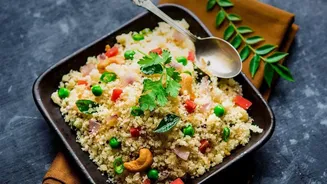
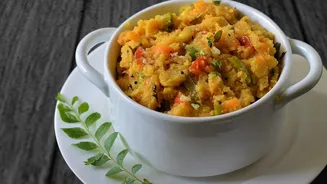
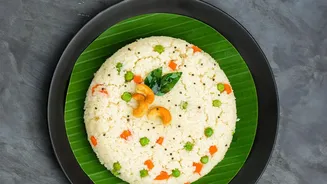
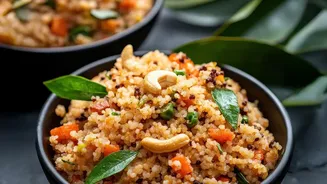
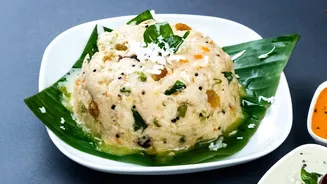
This is the upma most of us know and love. Made from dry-roasted semolina (rava or sooji), it’s a quick and satisfying meal. The beauty of Rava Upma lies in its simplicity and adaptability. The basic form is flavoured with a tempering of mustard seeds,
curry leaves, urad dal, and chana dal, with onions and green chillies providing a gentle kick. Many households elevate it by adding vegetables like carrots, peas, and beans, making it a more wholesome meal. Some even add a dash of ghee and a garnish of fresh coriander at the end for extra aroma and flavour.
The Noodle-like Cousin: Semiya Upma
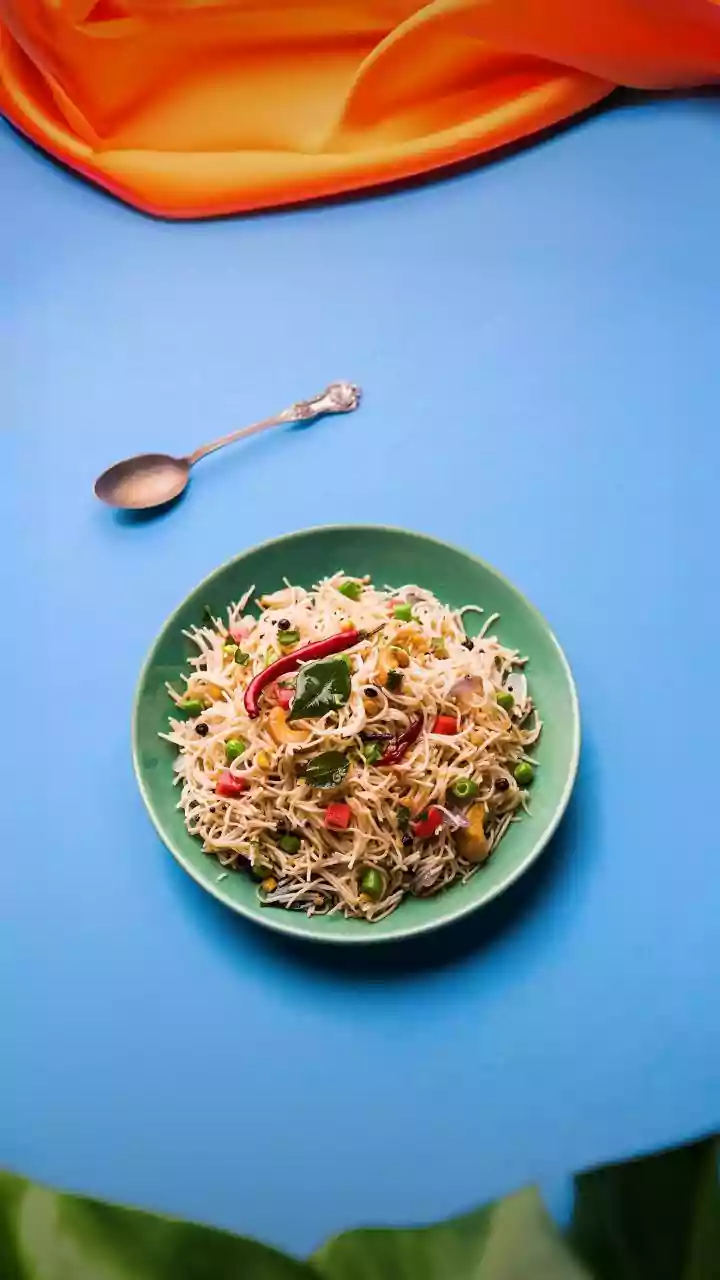
Swap the semolina for vermicelli (semiya), and you get an entirely different texture. Semiya Upma has the appearance of savoury noodles and is especially popular in South Indian states. The vermicelli is often roasted to a golden-brown before being cooked with the standard tempering ingredients. Because vermicelli is lighter than rava, this upma has a less dense mouthfeel. It’s a wonderful alternative for those who find traditional upma a bit heavy, offering a delightful change of pace without straying too far from the familiar taste profile.
The Quick Fix: Bread Upma
What do you do with bread that's a day or two old? Make Bread Upma. This ingenious dish is a perfect example of kitchen resourcefulness. Stale bread cubes are tossed in a flavourful masala base of onions, tomatoes, and spices, absorbing all the moisture and flavour to become soft and savoury morsels. Often referred to as 'bread poha' in Maharashtra, it’s a spicy, tangy, and immensely satisfying dish that comes together in under 30 minutes. It's a breakfast hero for busy mornings and a great way to prevent food waste.
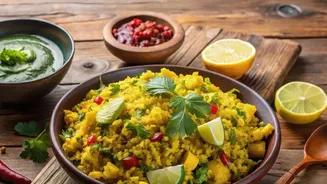
The Light and Fluffy: Aval Upma
Known as Poha Upma in some regions and Aval Upma in others, this version uses flattened rice flakes (aval or poha). The rice flakes are briefly soaked and then added to a tempering of spices, onions, and sometimes peanuts or cashews for crunch. Because the poha requires minimal cooking, the dish is incredibly quick to prepare. The result is a light, fluffy, and wholesome breakfast that's easy on the stomach. It's a staple across Western and Southern India, with each region adding its own subtle variations.
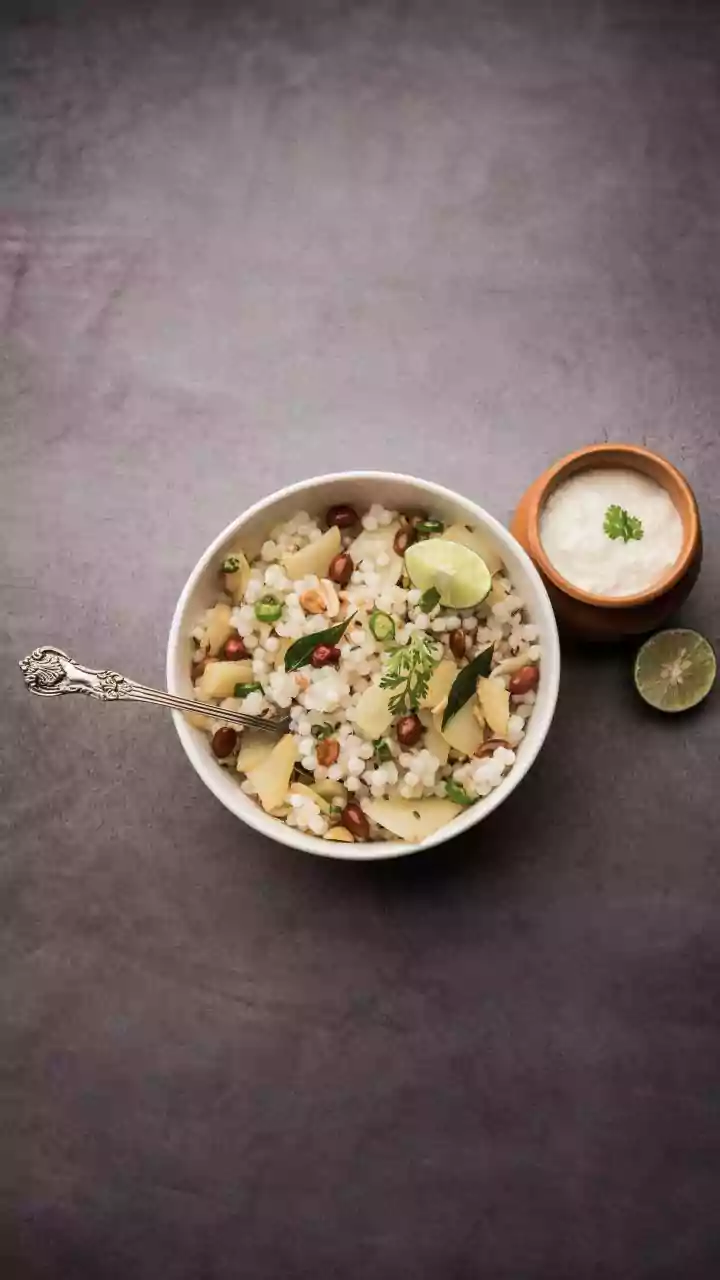
The Fasting Special: Sabudana Upma
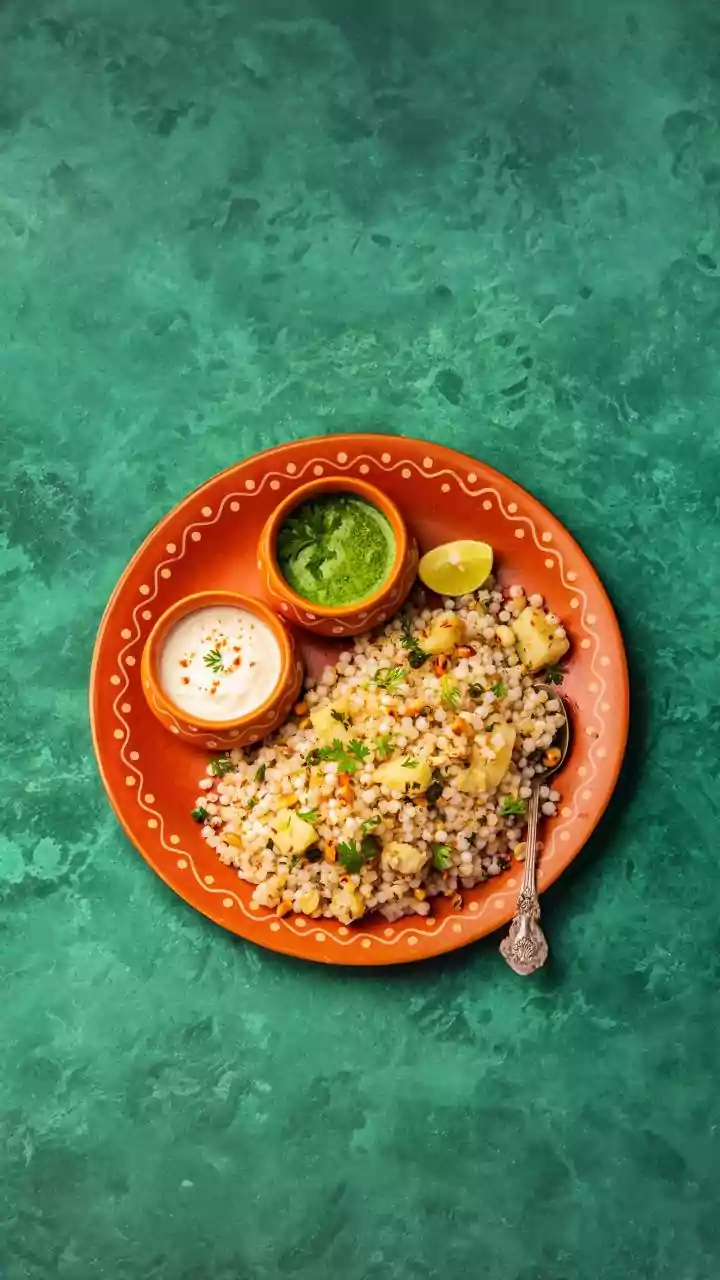
Sabudana Upma, also called Sabudana Khichdi, is a popular dish during religious fasting (vrat) periods, particularly in Maharashtra. Made from soaked tapioca pearls (sago), it has a unique, chewy texture. The non-sticky, pearl-like grains are cooked with potatoes, roasted peanuts, green chillies, and cumin seeds. The key to a perfect Sabudana Upma is soaking the sago correctly to ensure each pearl is separate and fluffy. It's a gluten-free dish that provides a good dose of carbohydrates for instant energy.
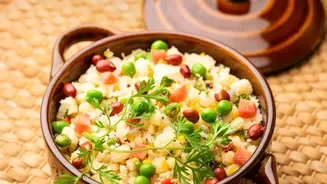
The Traditional Treasure: Arisi Upma
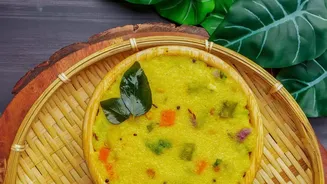
Hailing from the homes of Tamil Nadu, Arisi Upma is a more traditional and heartier style made from coarse rice rava. This is often prepared by grinding raw rice and toor dal together into a granular texture. The rice mixture is then cooked with a flavourful tempering, often in coconut oil, with spices like black pepper and cumin. It has a rustic character and a wonderfully fragrant aroma, often served as an evening tiffin or a special breakfast. It’s a taste of tradition that feels deeply comforting and nourishing.