








A Crop Reaches a Record Low
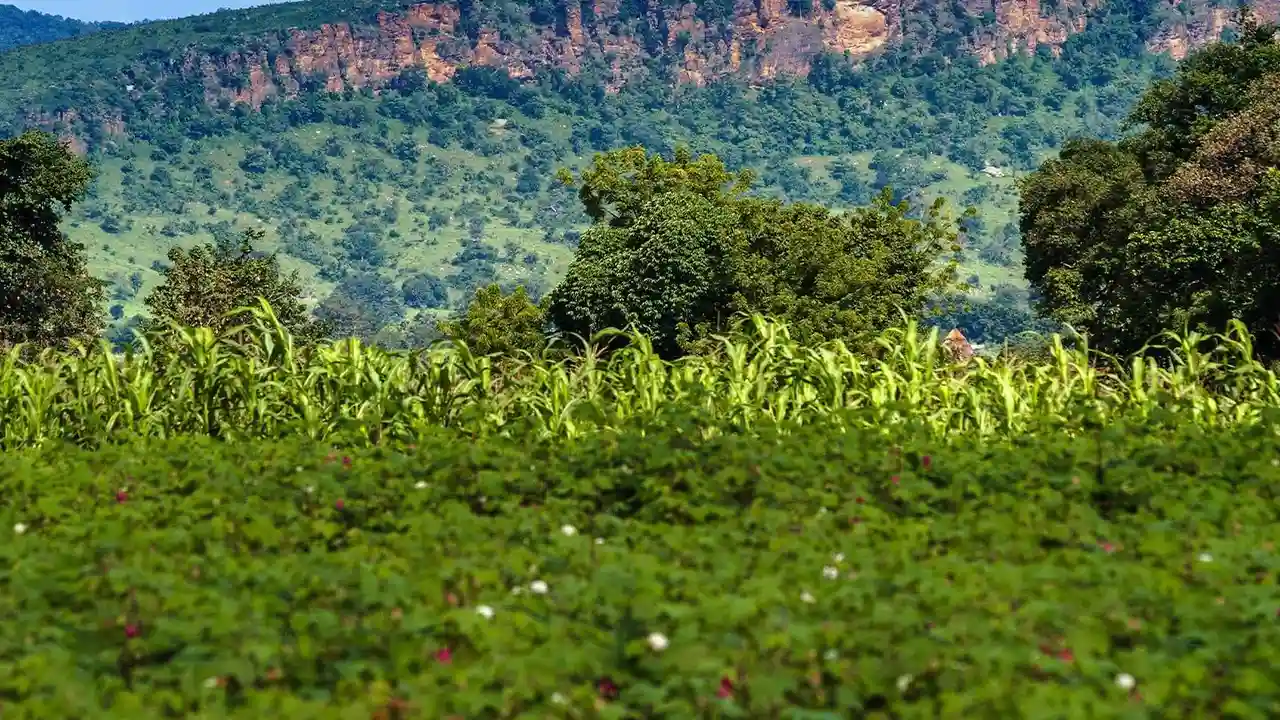
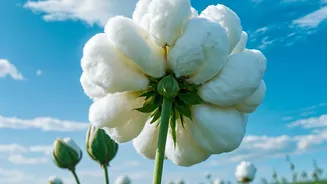
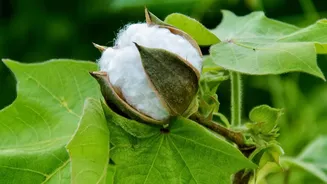
The numbers paint a stark picture of cotton's decline in Punjab. For the current Kharif season, the area under cotton cultivation has plummeted to a historic low, falling to between 70,000 and 80,000 hectares. This is a massive drop from the 1.19 lakh
hectares sown just last year and falls drastically short of the government's target of 1.25 lakh hectares. In a state where total cultivation area remains relatively stable, this land isn't lying fallow. Agricultural experts confirm that the vast majority of farmers abandoning cotton are turning to the most reliable alternative they know: paddy. This trend effectively reverses years of government efforts aimed at crop diversification and water conservation.
The Persistent Threat of Pests
A primary driver behind this exodus from cotton is the relentless assault by pests, particularly the pink bollworm. For the last several years, farmers in the cotton belt have faced devastating infestations that have decimated their yields and incomes. The pink bollworm has proven notoriously difficult to control, with some farmers reporting near-total crop loss despite heavy investment in pesticides. This recurring nightmare, combined with damage from unseasonal rains during last year's harvest, has shattered farmer confidence in the crop. After consecutive seasons of poor returns and mounting losses, many have concluded that cotton has simply become too risky and economically unviable to continue cultivating.
The Unmatched Security of Paddy
In the face of cotton's volatility, paddy offers an unparalleled sense of security. It is the only major Kharif crop in the state backed by a robust and reliable support system. Farmers know that their entire paddy harvest will be purchased by government agencies at an assured Minimum Support Price (MSP). The procurement process is well-established, payments are generally timely, and the market is guaranteed. No other crop, including cotton, maize, or pulses, comes with this level of economic insulation from market fluctuations. For a farmer making a critical decision about their livelihood, the choice between the high-risk gamble of cotton and the guaranteed return of paddy becomes a simple economic calculation.
An Ironic Twist in Water Availability
Ironically, improved water access in some areas has also accelerated the shift to water-intensive paddy. For decades, the state has been battling severe groundwater depletion, a crisis directly linked to the proliferation of paddy cultivation. However, recent government efforts to restore canal networks have successfully brought surface water to tail-end farms that were previously dry. This, coupled with the widespread availability of tubewells often powered by free or subsidized electricity, means that farmers in the traditional cotton belt of the Malwa region now have the water resources to cultivate paddy easily. Faced with failing cotton crops, farmers are logically turning to the newly accessible water to grow the most profitable and secure crop available to them.
A Major Setback for a Greener Future
This large-scale shift from cotton to paddy represents a significant blow to Punjab's long-term agricultural and environmental health. The state has been trying for decades to wean farmers away from the wheat-paddy cycle to conserve its rapidly depleting groundwater. Every hectare that moves from the less water-intensive cotton to paddy deepens this crisis, placing additional strain on an already over-exploited resource. The trend underscores a fundamental policy paradox: while the government advocates for diversification, the on-ground economic and logistical realities overwhelmingly favour the paddy monoculture. This ensures Punjab's dependence on rice continues, delaying a much-needed transition to a more sustainable agricultural model.