





A Meal Born from Necessity
The story of Pav Bhaji begins in the 1850s, not in a fancy kitchen, but on the bustling streets catering to Mumbai's textile mill workers. During the city's textile boom, laborers worked grueling hours and had only short breaks for lunch. They needed
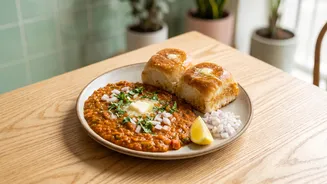
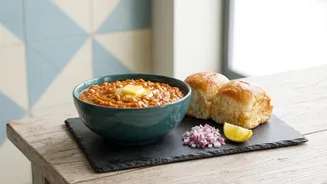
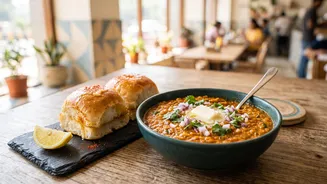
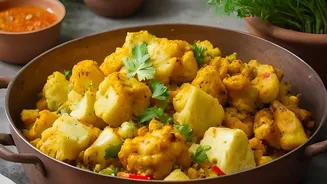
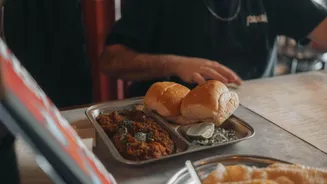
a meal that was quick, inexpensive, nutritious, and light enough to allow them to return to strenuous physical work. Street vendors rose to the occasion, creating an ingenious solution. They mashed together leftover vegetables—potatoes, tomatoes, peas, and onions—with a blend of spices on a large, flat griddle called a tawa. This flavourful vegetable mash was the 'bhaji'.
The Portuguese 'Pav' Connection
The 'bhaji' needed a partner, something to scoop it up with that was faster and more convenient than traditional rotis or rice. The answer was the 'pav', a soft, fluffy bread roll. The word 'pav' is derived from the Portuguese 'pão', meaning bread, a culinary legacy left by their presence in western India. Portuguese colonists and priests had introduced bread-making to the region, which was then adapted by local bakeries. Toasting these rolls on the same buttery, spice-laden tawa as the bhaji created a perfect pairing. This combination of an Indian-style vegetable mash and a European-style bread became the ideal meal for a city on the move.
From Mill Yards to a City's Main Course
What started as a humble worker's lunch couldn't be contained for long. Its affordability and deliciousness quickly made it popular across the city. Pav Bhaji stalls began appearing near places like the Cotton Exchange, where traders worked late into the night. Soon, it transitioned from a purely functional meal to a symbol of leisure, becoming a staple at seaside spots like Chowpatty Beach. By the mid-20th century, Pav Bhaji had moved from street carts into dedicated restaurants, with some, like Sardar Pav Bhaji which started in 1966, becoming iconic landmarks. The dish transcended social and economic barriers, enjoyed by everyone from laborers to businessmen.
The Flavour of Mumbai
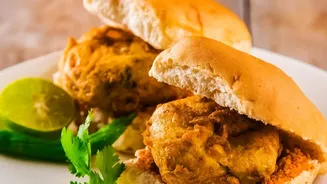
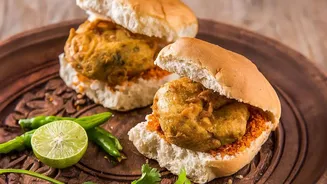
Today, Pav Bhaji is more than just food; it's a cultural symbol. It embodies the spirit of Mumbai—fast, flavourful, and a great equaliser. It represents the city's innovative and adaptable nature, its ability to create something extraordinary from simple ingredients. While Mumbai boasts an incredible array of street food, from Vada Pav to Bhel Puri, Pav Bhaji holds a special place. Its preparation is a spectacle, the mashing and mixing on the tawa a piece of street theatre. The dish mirrors Mumbai’s fast-paced lifestyle—served in minutes and eaten with gusto, it's the city's answer to quick, hearty dining.
An Icon That Continues to Evolve
While the classic recipe remains a favourite, Pav Bhaji continues to evolve. Chefs and street vendors alike experiment with new variations, catering to diverse palates. You can now find Cheese Pav Bhaji, Paneer Pav Bhaji, and even Jain versions made without onion and garlic. This adaptability ensures its continued relevance. Despite its global journey and appearance on menus in five-star hotels, its soul remains on the streets of Mumbai. It carries the legacy of a dish shaped by global trade, colonial influence, and the working-class hustle of a city that never stops innovating.