




Why Propagate From Cuttings?
Propagating plants is simply the process of creating new plants from existing ones. Using cuttings is one of the most popular methods because it's incredibly straightforward and has a high success rate for many common species. It’s a fantastic way to
multiply your favourite plants, share them with friends, or create backups for tender plants that might not survive a harsh season. Best of all, it requires minimal equipment—often just a pair of scissors and a jar of water or a pot of soil. For many gardeners in India, the monsoon season is the perfect time to take cuttings, as the high humidity in the air naturally encourages roots to grow.
The Money Plant (Epipremnum aureum)
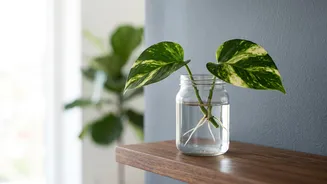
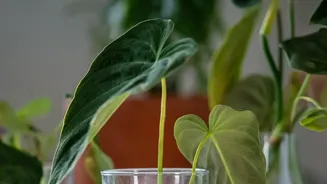
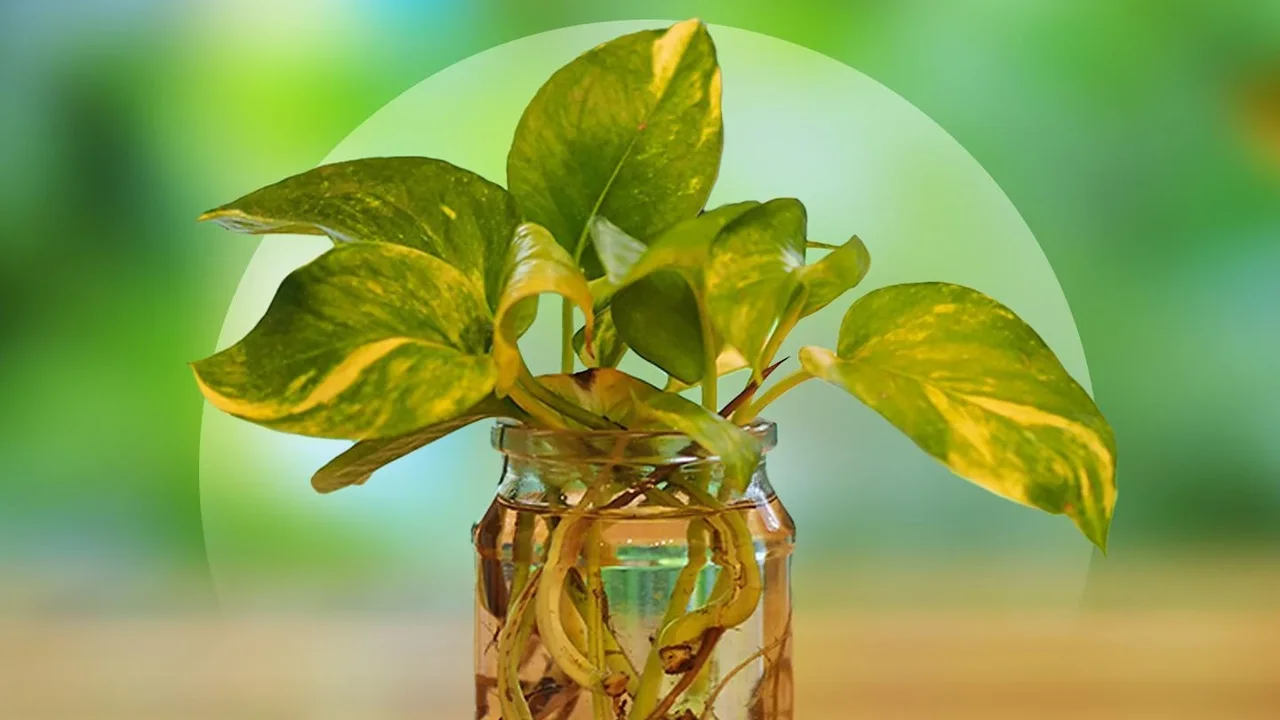
Often the first plant for any budding gardener, the Money Plant, or Pothos, is famously easy to propagate. Simply snip a stem about 4-6 inches long, ensuring it has at least two or three leaves and nodes (the small bumps on the stem where leaves emerge). You can remove the lowest leaf and place the cutting in a jar of water. Roots will begin to appear from the nodes within a couple of weeks. Once a healthy root system of about an inch has developed, you can transfer it to a pot with soil.
The Snake Plant (Dracaena trifasciata)
Known for being nearly indestructible, the Snake Plant is also simple to multiply. You can propagate it through division by separating the smaller 'pups' from the mother plant. Alternatively, you can take leaf cuttings. Cut a healthy, mature leaf into several 3-4 inch sections. A key tip is to remember which end is the bottom. Allow the cut ends to dry and form a callus for a day or two to prevent rot. Then, you can either place the cuttings in water or plant them directly into well-draining soil. New growth is slow but steady, so patience is key.
Hibiscus (Hibiscus rosa-sinensis)
For those wanting to add a splash of tropical colour, propagating Hibiscus is a great project. Take cuttings of 4-6 inches from new, green growth (softwood) in the spring or early summer. Remove the lower leaves and any flower buds, as they divert energy from rooting. Dip the cut end in rooting hormone (optional, but helpful) and plant it about an inch deep in a pot with moist, well-draining soil. To increase humidity, you can cover the pot with a plastic bag, creating a mini-greenhouse effect. Keep the soil consistently moist, and roots should develop in about eight weeks.
Rose (Rosa)
Propagating roses allows you to clone your favourite blooms. Take 6- to 8-inch cuttings from healthy stems that have recently flowered. Each cutting should have a few nodes. Remove all the leaves except for the top one or two. Dip the bottom end in rooting hormone and plant it in a pot with a mix of soil and perlite, burying at least two nodes. It's crucial to keep the cuttings moist and in a shady spot until roots establish, which can take several weeks.
Bougainvillea
These vibrant, hardy climbers are a common sight across India and can be grown from cuttings. Take semi-hardwood cuttings (stems that are firm but not old and woody) that are about 6 inches long. Remove the lower leaves and dip the end in rooting hormone. Plant the cuttings in a mix of sand and soil to ensure good drainage, as Bougainvillea dislikes waterlogged conditions. The high humidity during the monsoon season is particularly beneficial for rooting these cuttings successfully.
Tulsi (Holy Basil)
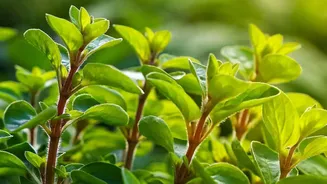
Every Indian household's sacred plant can also be easily propagated. Take a soft stem cutting that is not flowering. Snip a piece about 4-5 inches long and remove the lower leaves. You can place the stem in a glass of water and watch the roots sprout within a week or two, or plant it directly into a small pot with soil. It’s a fast-growing herb, and propagating it ensures you always have a fresh supply.
General Tips for Success
A few universal rules will increase your success rate. Always use a clean, sharp knife or pair of scissors to take cuttings to make a clean cut and avoid introducing disease. If rooting in soil, use a well-draining potting mix and keep it moist but not waterlogged. Providing humidity, either by misting or covering the pot with plastic, helps prevent the cutting from drying out before it can form roots. Finally, place your cuttings in bright, indirect light, as direct sun can be too intense and scorch them.