

The Allure of Art Deco
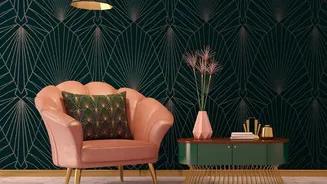
Born in the Roaring Twenties, Art Deco is all about glamour, luxury, and progress. Its geometric patterns are defined by symmetry, bold lines, and a sense of order. Think of repeating fan shapes, sharp chevrons, sunburst motifs radiating with energy,
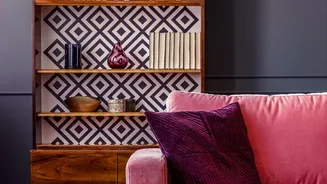
and stepped forms reminiscent of skyscrapers. These patterns often use strong contrasts, pairing deep jewel tones like emerald and sapphire with metallics like gold and chrome, or the timeless combination of black and white. Art Deco geometry feels structured and sophisticated. Incorporating it can be as simple as adding a rug with a bold, repeating diamond pattern or a mirror with a classic sunburst frame. These elements bring a refined, historical elegance to a room without overwhelming it.
Mid-Century Modern Playfulness
The post-war era of the 1950s and 60s brought a wave of optimism and a new, more organic approach to geometry. Mid-Century Modern (MCM) patterns are less rigid and more playful than their Art Deco predecessors. This style features clean lines, but also embraces organic curves and asymmetrical shapes. Iconic motifs include atomic starbursts, boomerangs, and interlocking circles or ovals. The colour palette is distinctive, mixing earthy tones like mustard yellow, olive green, and burnt orange with softer shades like blush pink and teal. These patterns work beautifully on textiles, such as throw pillows, curtains, and upholstery, adding a pop of retro fun to a modern space. An accent chair in a bold MCM fabric or a set of ceramic vases with abstract shapes can serve as a perfect nod to the era.
The Bold Spirit of the 70s
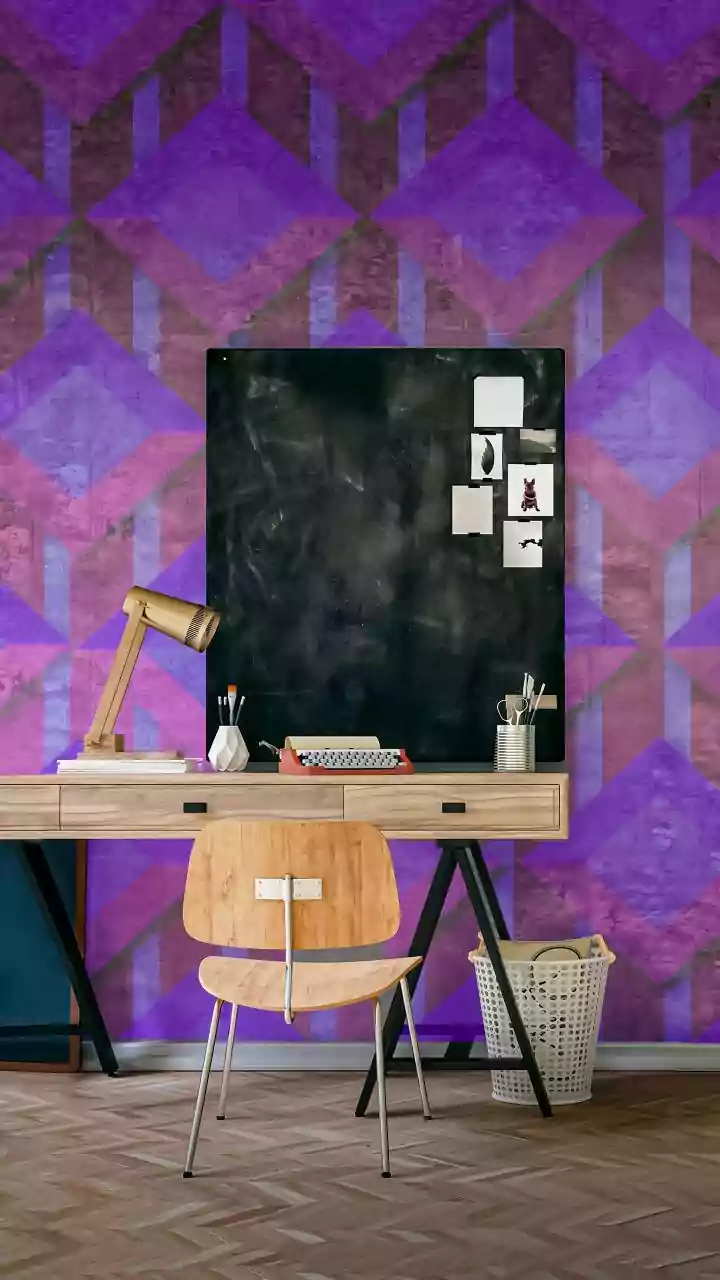
The 1970s took the playfulness of MCM and amplified it with a psychedelic, bohemian twist. This era is defined by large-scale, high-impact geometric patterns. Think swirling concentric circles, wavy parallel lines, and bold, abstract graphics. Optical illusions were a popular feature, creating a sense of movement and energy. The colour palette was warm and earthy, dominated by shades of terracotta, tangerine orange, and brown, often used in vibrant, high-contrast combinations. These patterns make a strong statement, so they're perfect for a feature wall with groovy wallpaper or a large area rug that anchors the entire room. The key is to let one bold 70s pattern be the star while keeping other elements more subdued.
Bauhaus Functionalism
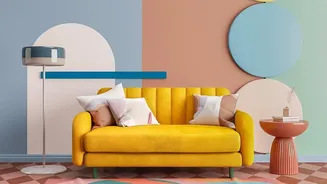
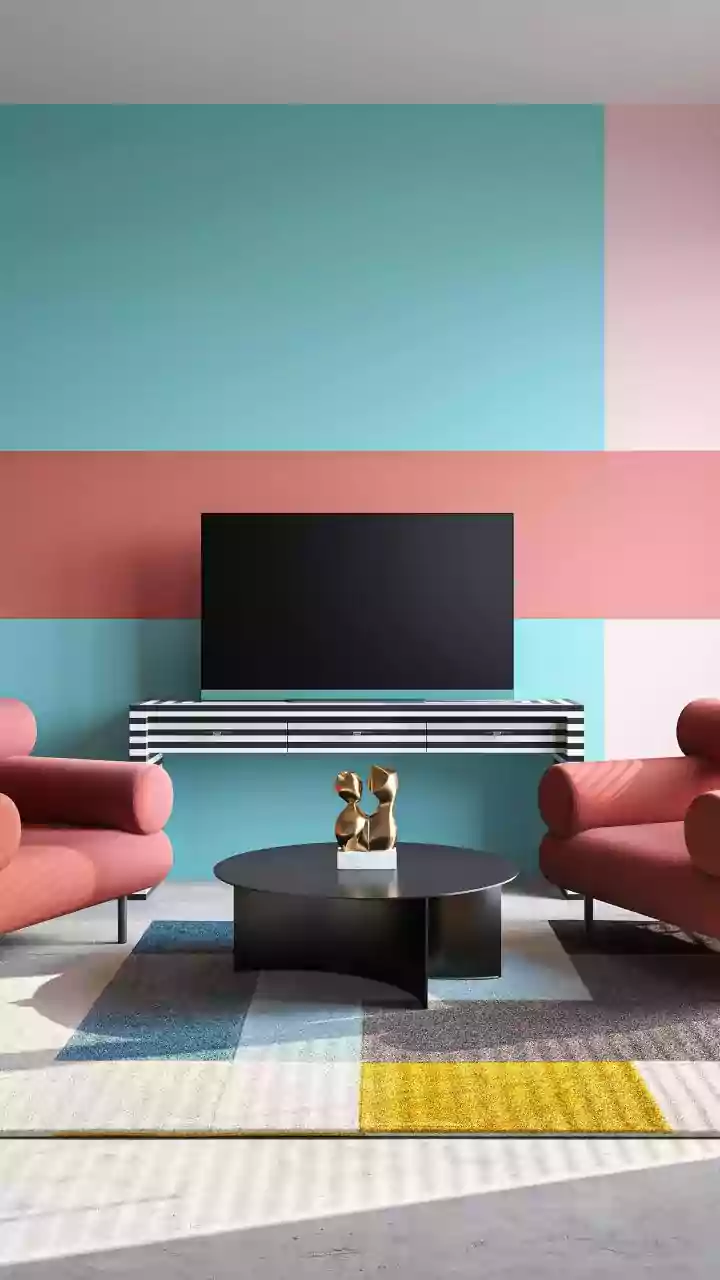
While a school of design rather than a decade-specific style, the Bauhaus movement's influence on geometric patterns is undeniable. Its core principle was 'form follows function', which translated into a visual language based on pure, essential shapes: the circle, the square, and the triangle. Bauhaus design strips away all ornamentation, focusing on clean lines and balanced compositions. The colour palette is famously simple and bold, centered on the primary colors—red, yellow, and blue—used alongside black and white. This style is about clarity and purpose. In a modern home, Bauhaus principles can be seen in minimalist art prints, functional furniture with clean geometric frames, or textiles with simple, repeating colour-blocked patterns.
How to Make Vintage Patterns Work Today
Integrating vintage geometric patterns into a contemporary home is all about balance. Start with a neutral, modern foundation and use patterns to add personality. A great strategy is to choose one 'anchor' piece with a pattern you love, like a statement rug or a bold armchair, and build the room around it. Then, pull 2-3 colours from that pattern and repeat them in smaller doses throughout the space with solid-coloured items or smaller-scale patterns. Varying the scale of your patterns is crucial; mix one large-scale print with a couple of smaller ones to create depth without chaos. Most importantly, don't be afraid to mix eras. A Mid-Century Modern chair can sit beautifully next to a sleek, modern sofa, creating a layered and curated look that tells a story.