



The Golden Healer: More Than Just Colour
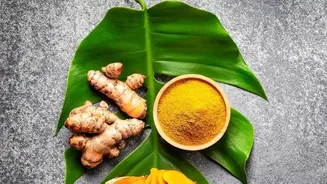
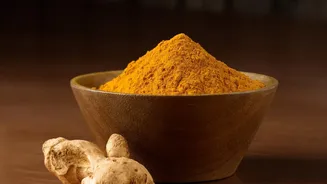
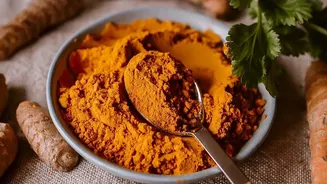
Turmeric, or haldi, is the spice that gives many Indian dishes their characteristic vibrant yellow hue. But its value extends far beyond the visual. For centuries, it has been a staple in Ayurvedic and traditional medicine. The magic lies in its primary
active compound, curcumin, which is a powerful antioxidant and has anti-inflammatory properties. Inflammation is the body's natural response to injury or illness, but when it becomes chronic, it can contribute to a host of health issues. Incorporating turmeric into your diet can help manage this response. Studies have shown curcumin's potential in supporting joint health, aiding digestion, and boosting the immune system. A simple pinch of haldi in your dal, sabzi, or a warm glass of milk is an easy way to harness its benefits. This humble spice is a true powerhouse, offering a foundation of wellness that has been trusted for generations.
The Pungent Powerhouse: A Kick of Wellness
Ginger, known as adrak, provides a warm, spicy kick that enlivens everything from morning chai to rich curries. Its primary bioactive compound is gingerol, which is responsible for many of its medicinal properties, including its potent antioxidant and anti-inflammatory effects. One of ginger's most celebrated benefits is its ability to aid digestion and soothe an upset stomach. It helps speed up the rate at which food moves from the stomach into the digestive tract, which can relieve discomfort, bloating, and indigestion. It's also famously effective against nausea, whether from motion sickness, morning sickness during pregnancy, or as a side effect of chemotherapy. Beyond digestion, ginger has been shown to help with pain relief, particularly for menstrual cramps and exercise-induced muscle soreness. Whether grated fresh into a stir-fry or brewed into a soothing tea, ginger offers a delicious way to support your body's daily functions.
Better Together: A Synergistic Duo
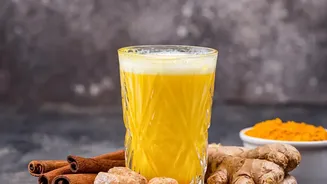
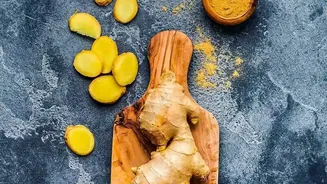
While turmeric and ginger are powerful on their own, they are even more effective when used together. In fact, many traditional medicine systems recommend this combination. There's a scientific synergy at play. Ginger can enhance the absorption of curcumin from turmeric, making its benefits more readily available to the body. Furthermore, their anti-inflammatory properties are complementary, meaning they work through slightly different pathways to provide a more comprehensive benefit. This dynamic duo works together to support a healthy immune response and manage inflammation throughout the body. From a culinary perspective, their flavours are a perfect match. The earthy warmth of turmeric balances the zesty, pungent heat of ginger, creating a complex and aromatic flavour base that is essential to countless Indian dishes. This pairing is a perfect example of how ancient food wisdom often aligns with modern scientific understanding.
From Kitchen to Cup: Easy Ways to Use Them
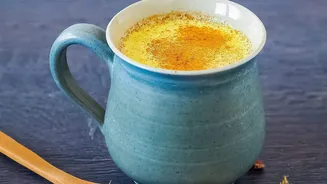
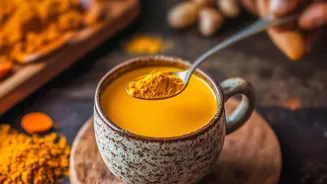
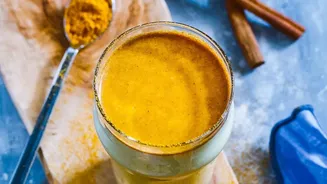
Incorporating more turmeric and ginger into your daily routine doesn't require complex recipes. It's about making small, consistent additions to the food you already enjoy. Start your day with a warm tea made by steeping fresh grated ginger and a pinch of turmeric powder with lemon and a touch of honey. This drink can help soothe your digestive system and boost your immunity. When cooking, make a simple ginger-garlic paste, a staple in Indian cuisine, and add it as a base for your curries, dals, and vegetable dishes. Sprinkle turmeric into your rice as it cooks for added colour and benefits, or add it to soups and stews. You can also add both spices to marinades for chicken or vegetables, infusing them with flavour and health-boosting compounds. Even a simple glass of Haldi Doodh, or golden milk, before bed can be a comforting and anti-inflammatory nightcap.