







The Perfume Capital of India
For centuries, Kannauj, a city in Uttar Pradesh, has been known as the perfume capital of India. Its history is steeped in fragrance, with its perfumers, or 'attar-wallahs', supplying scents to Mughal emperors and connoisseurs across the world. Unlike
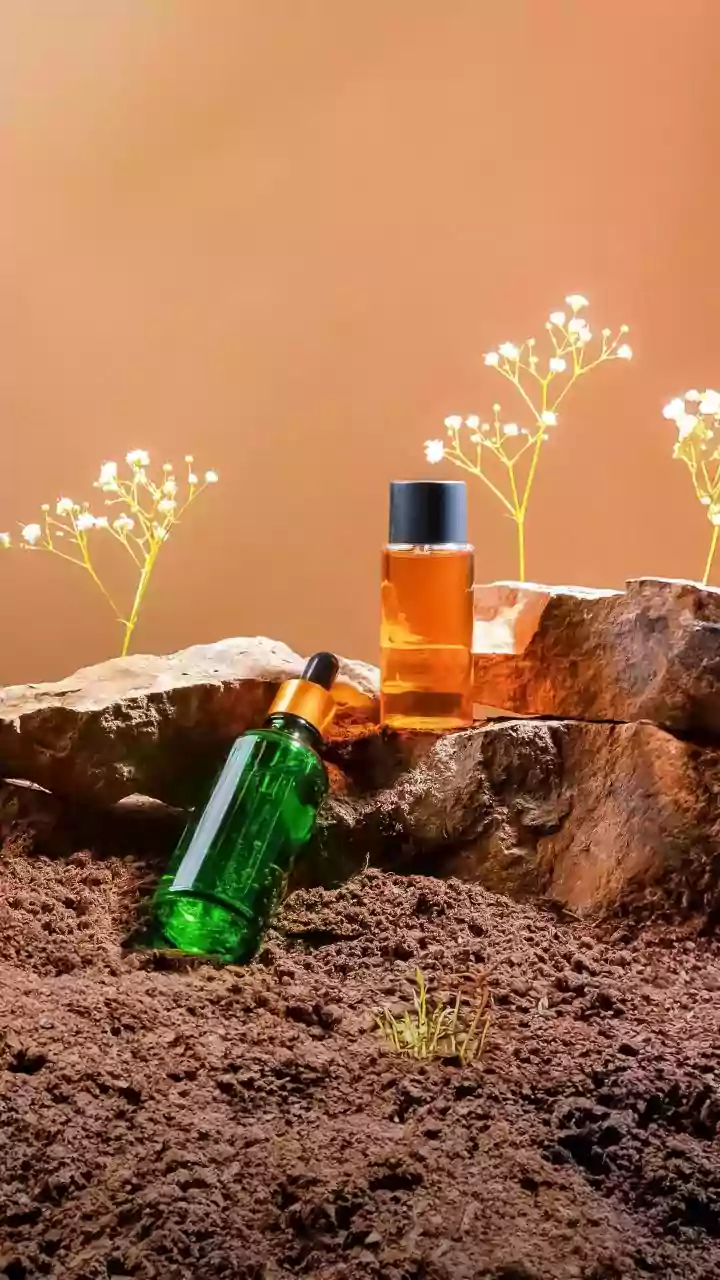
modern alcohol-based perfumes, the traditional perfumes of Kannauj, called attar, are oil-based, natural, and crafted using techniques that have remained largely unchanged for generations. While famous for its rose, jasmine, and vetiver attars, Kannauj’s most poetic creation is arguably 'mitti attar'—literally, 'earth perfume'. It is the bottled essence of petrichor, the scientific term for the distinct smell of rain on dry earth. This fragrance holds a special place in the Indian subcontinent, where the monsoon is not just a weather event but a cultural and emotional turning point after the intense heat of summer.
An Alchemy of Earth and Water
The creation of mitti attar is a remarkable feat of organic chemistry, performed not in a modern lab but with clay, fire, and ancient copper stills. The process, known as 'deg-bhapka', is a slow, hydro-distillation method. It begins with sourcing the raw material: clay. Potters shape alluvial clay from the banks of local ponds into discs, which are then baked in a kiln. These baked earth pieces are placed inside a large copper still, or 'deg'. Water is added, and the deg is sealed with clay to prevent steam from escaping. A slow fire, traditionally fueled by wood or cow dung, is lit underneath. As the water simmers, it releases the fragrant molecules from the baked earth, creating an aromatic steam.
Capturing a Fleeting Scent
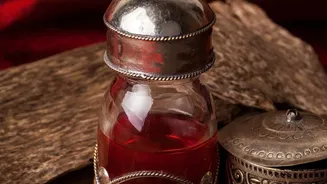
The fragrant steam travels from the deg through a hollow bamboo pipe, called a 'chonga', into a receiver vessel, the 'bhapka'. The bhapka, also made of copper, contains a base oil, traditionally pure sandalwood oil. This receiver is kept cool in a water trough, which causes the steam to condense back into liquid. As the aromatic vapor condenses, its essence is absorbed by the sandalwood oil, which acts as a fixative, capturing and preserving the delicate scent. This is a patient art. The process can take hours, with artisans carefully controlling the fire to ensure a slow and steady distillation. The resulting blend of sandalwood and captured earth-essence is then left to age, sometimes in leather bottles called 'kuppis', allowing the water content to evaporate and the fragrance to mature into the warm, mineral-rich scent of mitti attar.
A Fragile Heritage
Despite its rich history and the global fascination with unique, natural fragrances, the traditional attar industry in Kannauj faces significant challenges. The artisans are grappling with competition from cheaper, synthetic perfumes and the rising cost and scarcity of raw materials, particularly pure sandalwood oil. Many of the centuries-old distilleries have had to shut down. A lack of standardization and the struggle to market these traditional products to a modern audience also pose threats. However, there is a glimmer of hope. A new generation of perfumers and entrepreneurs are working to preserve this heritage. They are focusing on branding, quality control, and even developing 'perfume tourism' to introduce the world to the magic of Kannauj. Government initiatives and the coveted Geographical Indication (GI) tag for Kannauj Perfumes also aim to protect and promote this unique craft.