



The Science of the Bite
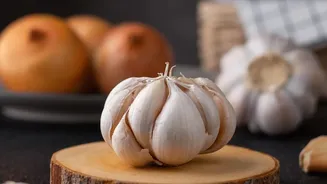
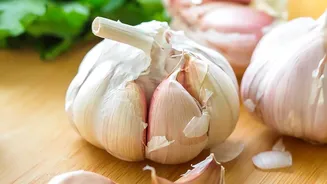
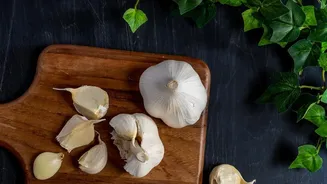
To understand the magic of roasting, we first have to look at raw garlic. That signature pungent aroma and spicy kick don't actually exist in a whole, intact clove. They are created by a rapid chemical reaction. Inside garlic's cells, a compound called
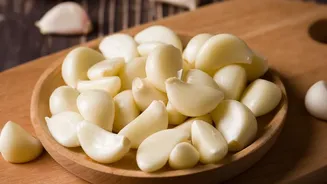
alliin and an enzyme called alliinase are kept separate. The moment you slice, crush, or chop the clove, you break down those cell walls, allowing the two to mix. This reaction creates a new, highly unstable compound: allicin. Allicin is responsible for that fiery, almost hot sensation on the tongue and the sharp aroma that can make your eyes water. The more you chop, the more allicin is produced, and the more intense the flavour becomes.
How Heat Tames the Flame
When you introduce heat, especially the gentle, consistent heat of an oven, you fundamentally change this chemical process. The heat deactivates the alliinase enzyme, which stops the production of pungent allicin. The aggressive sulphur compounds that are already present begin to break down into milder, more savoury ones. At the same time, two other delicious processes take over. The garlic's natural starches are broken down into simple sugars, and as the roasting continues, these sugars begin to caramelize. This, combined with the Maillard reaction—a reaction between amino acids and sugars—creates hundreds of new aromatic compounds, resulting in a flavour that is nutty, earthy, and noticeably sweet.
From Crisp Clove to Creamy Paste
Flavour is only half the story. The headline is right: texture does just as much work as aroma. As the garlic roasts, the heat and steam trapped inside the foil cause its rigid cell walls to break down. This releases moisture and softens the cloves, transforming them from firm and crisp into something entirely new. The result is a buttery, almost spreadable paste that is soft, sticky, and incredibly creamy. This textural shift is what allows roasted garlic to be mashed into potatoes, whisked into dressings, or spread on toast like butter—applications where a piece of raw, crunchy garlic would be entirely out of place.
How to Roast Garlic Perfectly
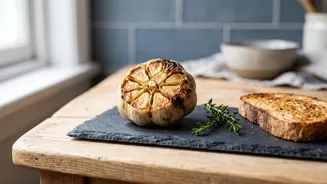
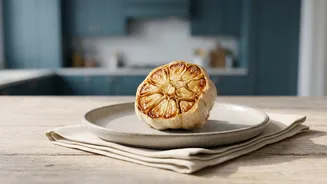
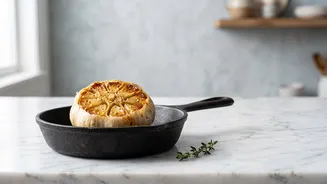
Achieving this culinary alchemy at home is incredibly simple. All you need is a whole head of garlic, olive oil, and some aluminium foil. Start by preheating your oven to around 190-200°C (about 375-400°F). Take a whole head of garlic and, using a sharp knife, slice off the top quarter-inch, just enough to expose the tops of the individual cloves. Place the head on a sheet of foil, drizzle the exposed cloves generously with olive oil, and sprinkle with a pinch of salt. Wrap the foil tightly around the garlic head to create a sealed packet. Place it in the oven and roast for about 45 to 60 minutes. You'll know it's done when the cloves are golden brown, fragrant, and so soft that you can easily pierce them with a fork.
Putting Your Roasted Garlic to Work
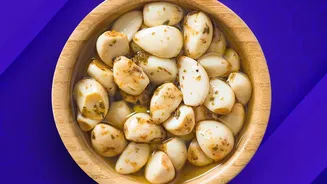
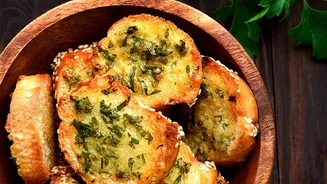
Once your garlic has cooled enough to handle, you can simply squeeze the base of the head and the soft, creamy cloves will pop right out. Now comes the fun part. The uses for this liquid gold are nearly endless. Spread the cloves directly onto warm, crusty bread for a simple and sublime appetiser. Mash them into softened butter with some fresh herbs to create a flavourful compound butter perfect for steaks or garlic bread. Whisk the creamy cloves into vinaigrettes or mayonnaise for a sandwich spread that elevates any lunch. For a classic comfort dish, fold roasted garlic into mashed potatoes. You can also stir it into soups, gravies, pasta sauces, or even mix it into hummus for a deeper, richer flavour.