
The Leftover Idli Conundrum
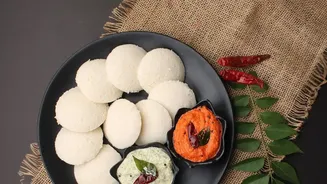
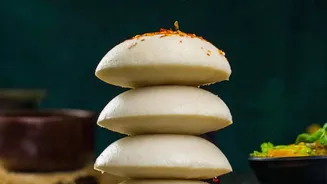
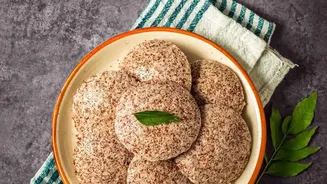
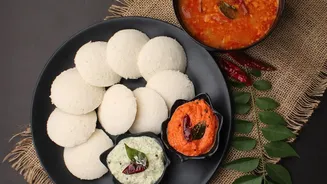
In many Indian households, the refrigerator holds a small, familiar treasure: a handful of leftover idlis from breakfast. Fresh from the steamer, they are impossibly soft and fluffy. A day later, they can become dense, cold, and a little uninspiring.
Yet, the philosophy of 'waste not, want not' is deeply ingrained in Indian culinary culture. Throwing away food, especially something as lovingly prepared as idli, feels wrong. This is where kitchen ingenuity shines, transforming what could be a culinary dead-end into a delicious new beginning. This practice of repurposing is not just about saving food; it is a form of creative expression, a way to breathe new life and flavour into yesterday’s meal.
The Magic of Podi and Ghee
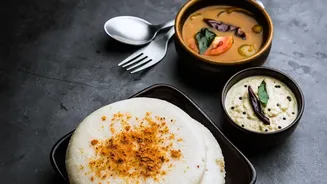
The heroes of this transformation are two simple yet potent ingredients: podi and ghee. Idli podi, known in Tamil as 'milagai podi' (which translates to 'chilli powder'), is a coarse, aromatic spice blend that is a staple in most South Indian homes. It's made by dry-roasting lentils like urad dal and chana dal with red chillies, sesame seeds, and a pinch of asafoetida, then grinding them into a nutty, spicy powder. Each family has its own variation, some adding garlic, curry leaves, or coconut for extra flavour. When this fiery, flavourful powder meets the richness of warm, melted ghee, it creates a condiment that can elevate anything it touches, especially a humble idli.
The Transformation: From Cold to Gold
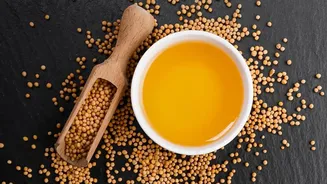
The process of making ghee podi idli is beautifully simple. The leftover idlis are typically cut into bite-sized cubes or wedges; refrigeration actually makes them firmer and easier to cut without crumbling. In a pan, a generous spoonful of ghee is heated. Some cooks add a tempering of mustard seeds, urad dal, and curry leaves for an extra layer of crunch and aroma. Once the seeds start to crackle, the idli pieces are tossed in the hot ghee until they are lightly crisped and golden on all sides. Finally, a few spoonfuls of idli podi are sprinkled over, coating each piece in a fragrant, spicy layer. The key is to toss everything together until the idlis have absorbed the ghee and the podi clings to every surface.
More Than Just a Quick Meal
So, what does this dish mean in practice? It represents a core principle of Indian cooking: resourcefulness. Long before 'zero-waste' became a global trend, it was a way of life in kitchens across the country. Dishes like podi idli, or using leftover rice to make lemon rice, are born from a philosophy that food is precious and should be respected. This isn’t just about avoiding waste; it’s about the joy of creating something new and delicious from leftovers. It's a culinary hug, a comforting dish that often evokes nostalgia for simple, home-cooked meals. It’s the taste of a mother’s quick fix for an evening snack or an easy tiffin box solution that still feels special.
Variations and Serving Ideas
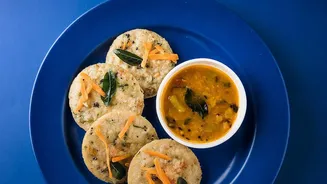
While the classic ghee and podi combination is perfect on its own, there are endless variations. Some recipes call for sautéing finely chopped onions until golden before adding the idlis, lending a touch of sweetness. Others might add a sprinkle of chaat masala for a tangy kick or even toss the idlis in a more elaborate Indo-Chinese chilli-garlic sauce. These ghee-kissed idlis are perfect as a quick breakfast, a satisfying evening snack with a cup of chai, or a light dinner. They can be served as is, or with a side of coconut chutney, but they truly need no accompaniment. They are a complete and flavourful meal in their own right, a testament to the magic that happens when simple ingredients are treated with a little creativity.