







A High-Tech Haven for Avian Life
Maharashtra is set to develop a state-of-the-art, AI-powered bird sanctuary within the existing Thane Creek Flamingo Sanctuary, a vital wetland ecosystem nestled between Mumbai and Navi Mumbai. The state government has approved a ₹45 crore Eco-Nature
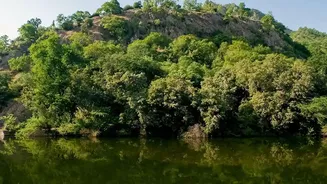
Park for the project, which aims to enhance both conservation efforts and eco-tourism. The new facility, sometimes referred to as the Bhandup Bird Park, will be situated along the Thane Creek shoreline and cover approximately 20 hectares. This area is already a designated Ramsar site of international importance and serves as a crucial stop on the Central Asian Flyway for migratory birds, making it an ideal location for such an innovative initiative. Every year, the sanctuary welcomes thousands of flamingos and over 200 other bird species, establishing it as a significant biodiversity hotspot in an urban landscape.
What 'AI-Powered' Actually Means
The core of the project is an advanced monitoring system that moves beyond traditional binoculars and manual surveys. It will employ a network of AI-enabled cameras and acoustic sensors to identify and track bird species in real time across a 1.5-kilometre radius. This technology can distinguish between different species based on images and sounds, allowing for non-invasive data collection. The system is designed for automated tracking, event analytics, and digital recording of biodiversity. By processing vast amounts of data on bird movements, population counts, and habitat usage, the AI will provide forest officials with invaluable insights for scientific research and habitat management. For visitors, this technology will power interactive displays and educational exhibits, making the experience of birdwatching more informative and engaging than ever before.
The Goals: More Than Just Birdwatching
While enhancing the visitor experience is a key component, the primary goals are rooted in conservation science. The project aims to create a comprehensive digital database of the local avian population, which can be used to monitor long-term biodiversity trends, understand migration patterns, and track the health of the ecosystem. This proactive approach enables conservationists to respond more quickly to environmental changes or threats. The project is also designed with minimal ecological impact in mind. Of the 20.09-hectare project area, physical infrastructure for tourists will be restricted to just 0.35 hectares. The rest will be preserved for mangrove trails, viewing decks, and natural habitat restoration, ensuring a balance between eco-tourism and conservation. This initiative seeks to promote environmental education and responsible tourism among the public.
A Blueprint for Future Conservation?
The integration of AI into wildlife management is a growing trend globally, used for everything from anti-poaching surveillance to monitoring animal populations. In India, AI has already been deployed in tiger reserves to reduce human-wildlife conflict and analyze camera-trap data more efficiently. The Thane Creek project is a significant step forward in applying this technology specifically to avian conservation. If successful, it could serve as a national model for other sanctuaries and protected areas looking to leverage technology for more effective environmental stewardship. The initiative has already cleared several regulatory hurdles, receiving approvals from the Maharashtra Eco-Tourism Board and securing Coastal Regulation Zone (CRZ) clearance from the central government's Ministry of Environment, Forest and Climate Change. As the project moves from plan to reality, it will be closely watched by conservationists and technologists alike as a potential glimpse into the future of preserving India's natural heritage.