







The Allure of the 'Natural' Glow
The appeal of do-it-yourself (DIY) skincare is undeniable. It feels wholesome, affordable, and free from synthetic chemicals. When a celebrity endorses a simple concoction of raw milk ('kaccha doodh') and saffron ('kesar'), it seems like an accessible
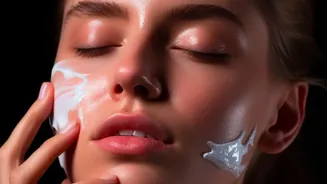
secret to a flawless complexion. The logic is appealing: if it's safe to eat, it must be safe for your skin. This trend taps into a long tradition of using kitchen staples for beauty, passed down through generations. However, dermatologists urge caution, noting that what's good for your diet isn't always good for your skin, the body's largest organ.
Raw Milk: Soothing Moisturiser or Bacterial Risk?
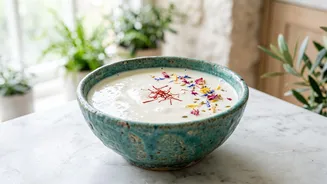
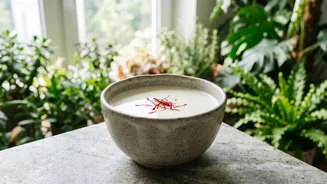
The case for milk on the face often centres on lactic acid, a gentle alpha-hydroxy acid (AHA) known for exfoliation and hydration. Proponents claim raw milk can moisturise, cleanse, and even out skin tone. However, the science is a bit thin. The concentration of lactic acid in fresh milk is very low, and its pH is not acidic enough to cause significant exfoliation. The temporary softness you might feel comes from milk fats and proteins leaving a film on the skin. The more significant issue is safety. Raw, unpasteurised milk can contain harmful bacteria like Salmonella, E. coli, and Listeria. While a quick application on healthy skin might be harmless, applying it to broken skin, acne, or micro-tears could introduce infection. There is no clinical evidence to support using raw milk as a cleanser or brightener, and for those prone to acne, it might even clog pores.
Saffron: A Precious Spice with Antioxidant Power
Saffron has been a luxury beauty ingredient for centuries, prized for its antioxidant and anti-inflammatory properties. Modern science supports some of these claims. Its active compounds, particularly crocin, can help protect the skin from UV damage and fight free radicals that lead to ageing. Studies have also shown that saffron extracts can aid in wound healing and potentially reduce hyperpigmentation by inhibiting the enzyme responsible for melanin production. However, most of this research uses concentrated, purified extracts in controlled laboratory settings. Simply soaking a few strands of saffron in milk won't deliver these ingredients in a stable or potent enough form to create significant change. While it is generally safe, it's also the world's most expensive spice, making it a very costly and likely ineffective addition to a DIY mask.
What Dermatologists Say About 'Kitchen Cosmetics'
Most dermatologists advise against applying food directly to your face. The primary reasons are a lack of formulation, unpredictable potency, and safety risks. Skincare products are scientifically formulated with stable ingredients at specific concentrations and pH levels to be effective and safe for topical use. Kitchen ingredients are not. For instance, the acidity of a lemon can vary, and applying it directly can disrupt the skin's protective barrier and even cause chemical burns when exposed to sunlight. Similarly, harsh physical exfoliants like sugar or salt can create micro-tears in the skin, inviting infection. Bacterial or mould contamination is another major concern with homemade concoctions that lack preservatives.
A Smarter Way to Embrace Natural Ingredients
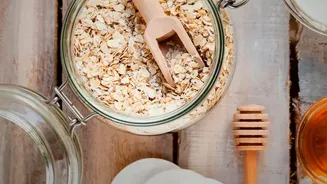
If you are drawn to the benefits of ingredients like milk and saffron, there's a safer way to incorporate them. Instead of using raw milk, look for professionally formulated cleansers or serums that contain lactic acid. These products deliver the exfoliating and hydrating benefits in a controlled, pH-balanced, and safe manner. Likewise, many skincare brands now offer products with saffron extract, harnessing its antioxidant power without the risks of DIY application. For those committed to home remedies, experts suggest sticking to a few proven, low-risk options. A mask made from colloidal oatmeal can soothe irritated skin, while raw Manuka honey has gentle antibacterial and moisturising properties. The golden rule is to always perform a patch test on a small area of skin before applying any new ingredient to your entire face.