




A New Look at the Planet's Hidden Heat
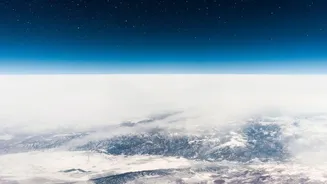
The breakthrough comes from a mission called PREFIRE (Polar Radiant Energy in the Far-InfraRed Experiment). Since July 2024, two shoebox-sized satellites have been circling the globe, measuring a type of energy that was largely invisible to us until now:
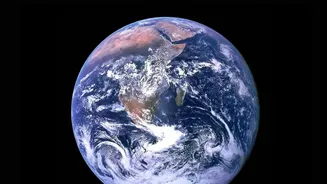
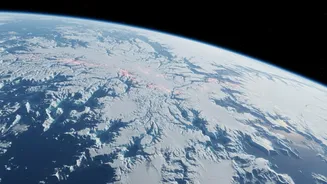
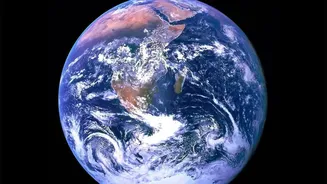
far-infrared radiation. This 'hidden heat' is crucial because it accounts for nearly 60 percent of the energy Earth radiates back into space. By completing two full years of observation, the PREFIRE mission has created an unprecedented, continuous movie of how the Arctic and Antarctic 'breathe' heat throughout their opposite seasons. This isn't just about surface temperature; it's a direct look at the energy budget at the top and bottom of the world, offering vital clues about why these regions are warming so rapidly.
How Summer Heat Lingers Into Winter
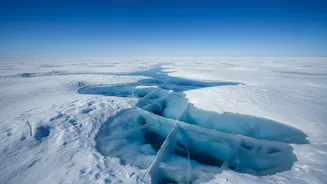
One of the key phenomena this new data helps explain is how seasonal heat gets trapped and redistributed. During the polar summer, when ice melts, the darker ocean and land surfaces absorb enormous amounts of solar energy. But that heat doesn't just disappear when the long, dark winter returns. Instead, the ocean slowly releases that stored warmth back into the atmosphere, a process that significantly slows down the seasonal cooling. This effect, intensified by thinning sea ice which is a poor insulator, leads to warmer autumns and winters than historical norms. The PREFIRE data allows scientists to more accurately measure this retained heat, improving the climate models that forecast future warming.
The Vicious Cycle of Ice and Heat
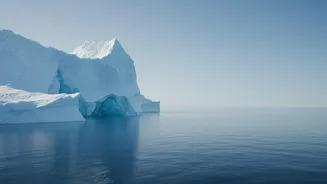
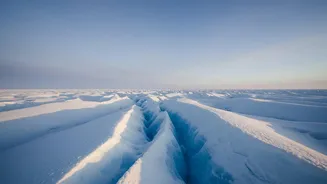
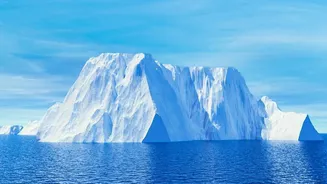
This process is supercharged by a powerful feedback mechanism known as the ice-albedo effect. It’s a simple but dangerous cycle. Bright, white sea ice is highly reflective, bouncing a majority of the sun's energy back into space. However, as the planet warms, that ice melts, exposing the dark, absorbent ocean beneath. This dark surface absorbs more solar radiation, which in turn warms the water, melts even more ice, and creates a self-reinforcing loop of accelerated warming. This phenomenon, called polar amplification, is why the Arctic is warming nearly four times faster than the global average. The loss of this reflective shield is one of the primary drivers of the dramatic changes we are witnessing.
From the Arctic to the Indian Monsoon
While the melting might feel a world away, its consequences are felt right here at home. Scientists at India's National Centre for Polar and Ocean Research (NCPOR) and other institutions have established a direct link between a warming Arctic and the Indian Summer Monsoon. Research shows that reduced Arctic sea ice can alter large-scale atmospheric circulation patterns, affecting both the intensity and the path of monsoon rains. Specifically, studies have connected Arctic warming to more intense rainfall events and a noticeable westward shift in monsoon patterns over India in recent decades. This variability threatens to cause more frequent and devastating floods in some areas while leaving others in drought, impacting everything from agriculture to water security for millions.