
A Nutritional Powerhouse You're Overlooking
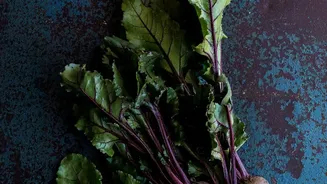
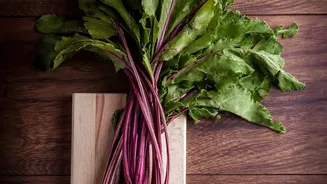
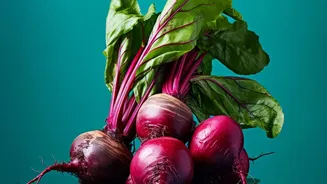
Often overshadowed by their earthy roots, beet greens are one of the most nutrient-dense parts of the plant. In fact, they have a higher iron content than spinach and pack a more significant nutritional punch than the beetroot itself in many categories.
They are exceptionally low in calories and fat but loaded with essential vitamins and minerals. A 100-gram serving provides a staggering amount of Vitamin K, crucial for bone health and blood clotting. They are also an excellent source of Vitamin A, which supports vision and immune function, as well as Vitamin C, a powerful antioxidant. The list doesn't stop there; beet greens deliver a healthy dose of potassium, magnesium, iron, and manganese, minerals vital for everything from regulating blood pressure to energy metabolism.
More Than Just Vitamins
Beyond their impressive vitamin and mineral profile, beet greens offer unique health benefits. They are rich in antioxidants like beta-carotene, lutein, and zeaxanthin. Lutein and zeaxanthin are particularly important for eye health, helping to protect against age-related macular degeneration. The natural nitrates found in the greens can help improve blood flow and support cardiovascular health. Furthermore, using beet greens is a fantastic way to embrace a zero-waste approach in the kitchen. By consuming the entire vegetable from root to leaf, you're not only getting more nutritional value but also reducing food waste, making it a sustainable choice for your household.
Embracing the Flavour
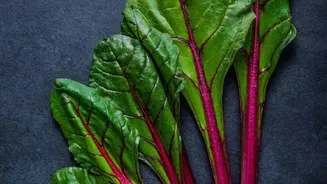
Beet greens have a flavour that is similar to Swiss chard or spinach, but with a milder, sweeter, and more earthy note. The stems are edible as well and have a texture similar to celery. If you find them slightly bitter, a quick squeeze of lemon juice after cooking can brighten the flavour. The key is to wash them thoroughly to remove any grit. A good method is to submerge them in a large bowl of water for a few minutes to let any sand settle to the bottom. Simple sautéing with garlic and a pinch of red pepper flakes is a popular way to prepare them, bringing out their natural taste while softening their texture.
Easy Breakfast Ideas for Your Morning
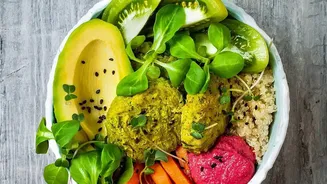
Incorporating beet greens into your breakfast is surprisingly easy and adds a welcome savoury twist. One of the simplest ways is to finely chop them and mix them into the dough for parathas or cheelas. The greens wilt beautifully, adding nutrition and a subtle earthiness. You can also wilt a handful of chopped greens into scrambled eggs, paneer bhurji, or a savoury upma during the last few minutes of cooking. Another great option is to blend them into the batter for a savoury dosa or uttapam, which gives them a vibrant colour and a nutrient boost. For a South Indian-inspired dish, try adding cooked, chopped greens to a yogurt-based sauce like a mor kootu. Don't forget the stems; finely chopped, they can add a pleasant crunch to omelettes or poha.
A Quick Note on Oxalates
Like spinach and Swiss chard, beet greens contain oxalates, which are naturally occurring compounds that can interfere with calcium absorption and may be a concern for individuals prone to kidney stones. However, for most people, consuming them in moderation as part of a varied diet is perfectly healthy. Cooking the greens can significantly reduce their oxalate content, as these compounds are water-soluble and leach into the cooking water. If you are concerned, simply boiling or blanching the greens and discarding the water is an effective strategy.