

A Gujarati Classic in a Bowl
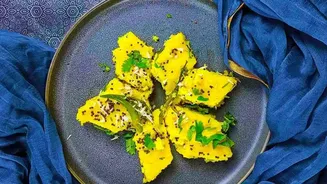
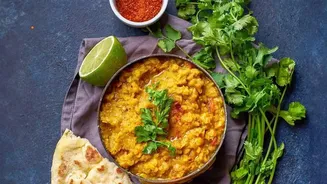
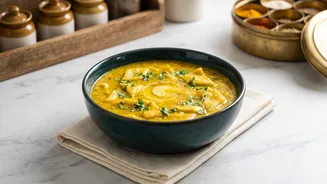
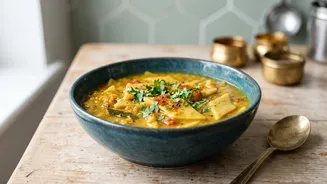
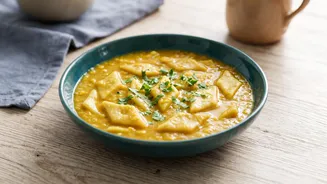
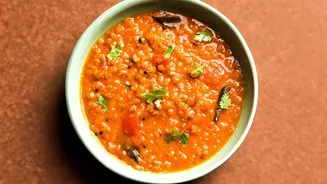
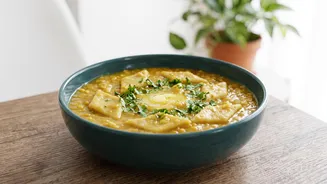
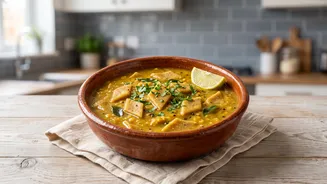
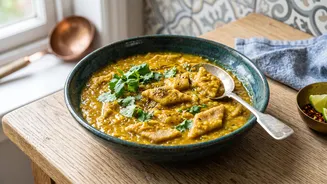
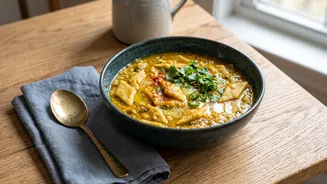
At its heart, Dal Dhokli is a simple yet brilliant concept: tender, diamond-shaped dumplings made from whole wheat flour are simmered in a flavourful stew of spiced lentils. The dal, typically made from toor dal (split pigeon peas), is prepared in the
classic Gujarati style, boasting a signature khatti-meethi (sweet and sour) taste profile derived from jaggery and a souring agent like kokum or lemon juice. The dhokli, or wheat dumplings, are seasoned with spices like turmeric, red chilli powder, and ajwain (carom seeds) before being cooked directly in the simmering dal, where they absorb the flavours and become incredibly soft.
The Ultimate One-Pot Comfort Meal
Dal Dhokli is celebrated as a complete meal in a single pot. It cleverly combines proteins from the lentils and carbohydrates from the wheat dumplings, creating a balanced and satisfying dish that doesn't require any accompaniments like rice or roti. This made it a practical and nourishing meal for busy households. Traditionally, it was often ingeniously prepared using leftover dal from a previous meal, making it a quick and resourceful Sunday lunch that gave home cooks a well-deserved break. Its comforting, stew-like consistency makes it a perfect dish for a rainy day or a go-to meal when recovering from an illness.
More Than Just a Breakfast
While the headline shines a light on its growing popularity as a breakfast food, Dal Dhokli is traditionally an all-day dish, perfect for lunch or a light dinner. Its re-contextualization as a morning meal, however, makes perfect sense. A warm bowl provides sustained energy thanks to its blend of complex carbohydrates and plant-based protein, keeping you full and focused throughout the morning. Unlike many quick, sugary breakfast options, Dal Dhokli offers wholesome nutrition, including dietary fibre, iron, and magnesium, making it a powerful and grounding start to the day.
A Dish with Regional Variations
While deeply rooted in Gujarati culture, similar dishes are cherished across western India. In Maharashtra, it's known as 'Varan Phal' or 'Chakolya', where the preparation might differ slightly, sometimes incorporating a special spice mix called goda masala. Rajasthan also has its own beloved version, which sometimes uses a mix of lentils like chana and moong dal, and the dumplings might be shaped into small balls instead of being rolled and cut. These regional variations all share the same core principle of cooking dough in dal, showcasing the dish's adaptable and widespread appeal.
Modern Twists on a Timeless Classic
Today, Dal Dhokli continues to evolve. Home cooks and chefs are experimenting with different flours for the dhokli, such as millet or a mix of grains, to enhance its nutritional profile. The rise of modern kitchen gadgets has also led to simplified, quick-prep versions using pressure cookers and Instant Pots, making the dish more accessible for busy weeknight dinners. Some modern interpretations even substitute the homemade dhokli with whole wheat lasagna sheets for a quick-fix version. These adaptations ensure that this classic comfort food remains relevant and loved in contemporary Indian kitchens.