




The Power of Vitamin A
Vitamin A is not just one compound; it's a group of fat-soluble substances crucial for our health. Its most famous role is in maintaining good vision, especially in low light. But its benefits go far beyond that. This essential nutrient also supports
a robust immune system, helping your body fight off illness and infection. Furthermore, it plays a key part in cell growth, reproduction, and maintaining the health of our skin and the linings of our gut, lungs, and other organs. In India, the recommended dietary allowance for adults is around 840–1000 micrograms (mcg) per day, a target best met through a varied diet.
Carrots: The Beta-Carotene Champion
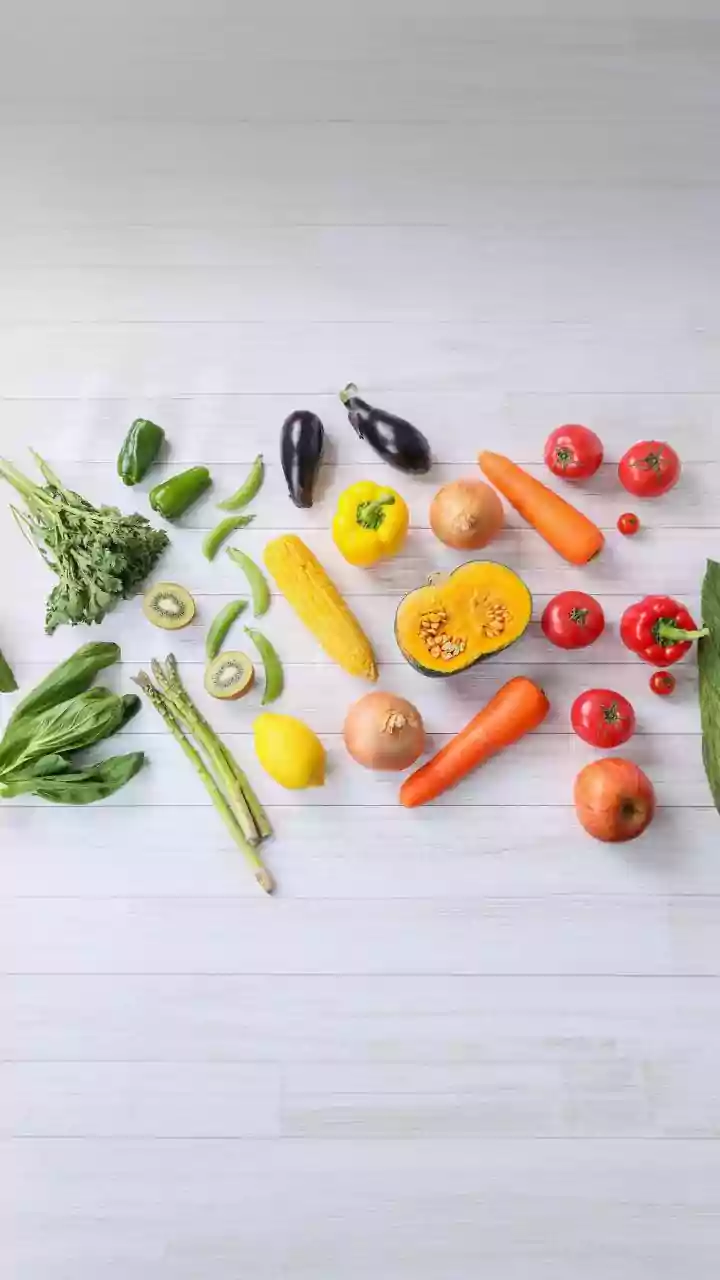
When you think of Vitamin A, you probably picture a carrot. There's a good reason for that. Carrots are packed with a powerful compound called beta-carotene, which is what gives them their vibrant orange colour. Beta-carotene is a type of 'provitamin A' carotenoid. This means it isn't Vitamin A itself, but rather a precursor that our bodies can convert into the active form of the vitamin, known as retinol. This conversion process happens in the intestine after we eat foods containing it. So, while munching on carrots doesn't directly give you retinol, it provides the raw material your body needs to produce this essential nutrient on its own.
Spinach: The Leafy Green Contender
While carrots get the spotlight, leafy greens like spinach (palak) are also fantastic sources of beta-carotene. Though you can't see the orange pigment because of the overpowering green chlorophyll, it's there in abundance. Just like with carrots, the beta-carotene in spinach is converted by the body into active Vitamin A. But spinach brings more to the table. It also contains other carotenoids like lutein and zeaxanthin, which are not converted to Vitamin A but are celebrated for their role in protecting eye health. This makes spinach a multi-talented contributor to your overall nutritional intake.
Two Paths to the Same Nutrient
It's important to understand the two main forms of Vitamin A in our diet: preformed Vitamin A (retinol), found in animal products like dairy, eggs, and liver, and provitamin A carotenoids, found in plant foods. Both carrots and spinach provide the latter. Your body cleverly converts these plant-based carotenoids into retinol as needed. One major advantage of getting your Vitamin A from plants is safety. While it is possible to consume toxic levels of preformed Vitamin A from supplements or large amounts of liver, it is virtually impossible to do so from eating vegetables like carrots and spinach. Your body regulates the conversion of beta-carotene, so it only makes what it requires.
How to Maximise Your Intake
To get the most out of these vegetables, a little preparation goes a long way. Since Vitamin A and its precursors are fat-soluble, you can significantly boost your body's absorption of beta-carotene by eating them with a small amount of fat. This is something traditional Indian cooking often does naturally. Sautéing your spinach with a bit of oil or adding a spoonful of ghee to your gajar ka halwa isn't just for flavour—it's also making the nutrients more available to your body. Lightly cooking these vegetables can also help, as the heat helps break down their tough cell walls, releasing more of the valuable beta-carotene within.