



The Blue Mountains' Best-Kept Secret
While Assam tea is known for its malty boldness and Darjeeling for its delicate, muscatel notes, Nilgiri tea offers a beautiful balance that makes it one of India's most underrated treasures. Grown in the Nilgiri Hills, or 'Blue Mountains', of Tamil Nadu,
this tea is cultivated at high altitudes, often between 1,000 and 2,500 meters. This elevation, combined with the region's two monsoon seasons, allows for year-round harvesting, a key difference from the distinct seasonal 'flushes' of Darjeeling. The unique geography, including the presence of eucalyptus and other spice gardens nearby, contributes to its distinct aromatic profile. The cool nights and warm days slow down the growth of the tea leaves, concentrating their natural flavours and resulting in a brew that is both fragrant and full-bodied.
A Profile in Delicacy and Balance
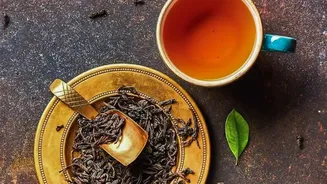
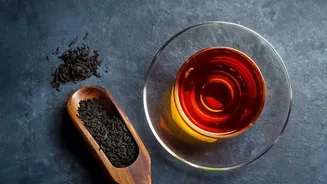
So, what does Nilgiri tea actually taste like? Imagine a tea that is bright, brisk, and exceptionally smooth. It has a naturally fragrant quality, with delicate floral and fruity notes that dance on the palate. Unlike some stronger black teas, Nilgiri is notably low in tannins, which means it rarely becomes bitter or astringent, even if you accidentally over-steep it. This low astringency gives it a clean finish and a creamy mouthfeel that is gentle and approachable. When brewed, it produces a beautiful golden-yellow or deep amber liquor that is as pleasant to look at as it is to drink. Its character is often compared to high-quality Ceylon teas from Sri Lanka, which grow under similar high-altitude, dual-monsoon conditions.
Why Nilgiri Shines On Its Own
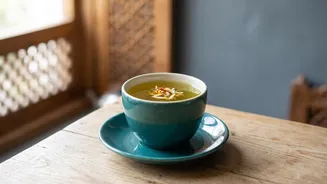
Because of its balanced and smooth flavour profile, Nilgiri tea is exceptional when enjoyed on its own. It doesn’t need milk or sugar to mask any harshness, allowing its subtle complexities to shine through. The orthodox, or full-leaf, varieties are particularly prized for solo sipping. They offer an aromatic experience that is light yet satisfying, making it a perfect all-day tea that won't overwhelm your senses. Its natural sweetness and lack of bitterness also make it an outstanding choice for iced tea. Unlike many other black teas that turn cloudy and bitter when cooled, Nilgiri tea remains clear and refreshing, a quality that major commercial brands have utilized for their bottled iced tea products.
The Perfect Canvas for Chai
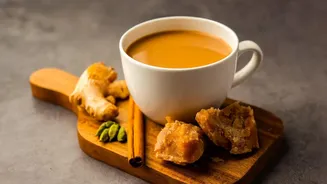
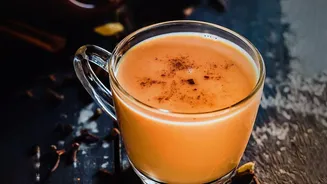
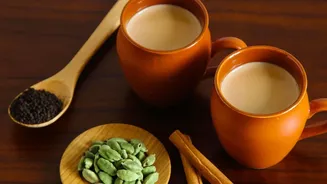
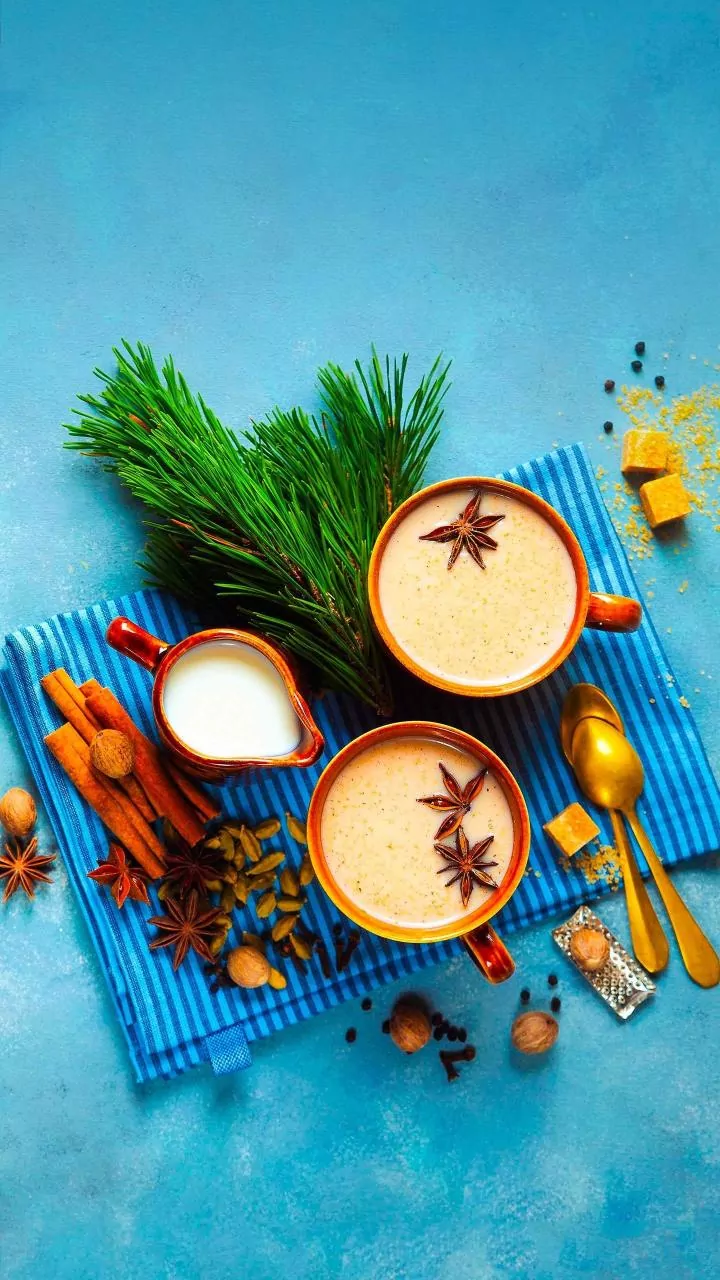
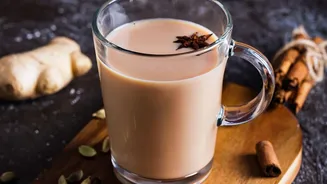
While its delicate nature makes it a star on its own, Nilgiri's versatility is truly showcased in blends, especially masala chai. Its clean, brisk character provides the perfect base that can hold up to milk, sugar, and a host of aromatic spices like cardamom, ginger, and cloves without getting lost. Many stronger teas, like a robust Assam, can sometimes compete with the spices, but Nilgiri acts as a harmonious canvas. It provides the essential 'tea' flavour without overpowering the other ingredients, creating a well-rounded and balanced cup of chai. The vast majority of Nilgiri tea is produced using the CTC (Crush, Tear, Curl) method, which creates small, granular pellets that brew quickly and produce a strong, deeply coloured liquor ideal for the foundation of South Indian milk tea culture.
An Underrated Gem Worth Exploring
In a market dominated by the powerful reputation of Assam and the 'champagne' status of Darjeeling, Nilgiri tea remains a hidden gem for many. However, its incredible versatility, ranging from a sophisticated, fragrant black tea to the perfect, sturdy base for a morning chai, makes it a must-try for any tea lover. It occupies a unique middle ground—more aromatic and less malty than Assam, yet more accessible and less complex than Darjeeling. Whether you're seeking a refreshing iced tea on a hot day, a comforting cup of chai in the morning, or a simple, elegant brew in the afternoon, Nilgiri tea delivers on all fronts.