




A Landmark Achievement by the Numbers
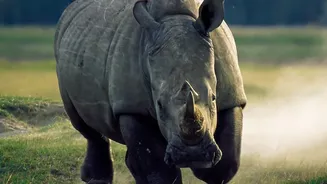
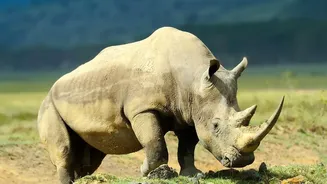
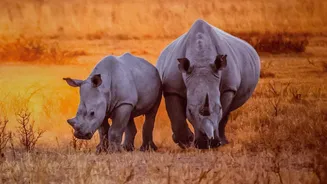
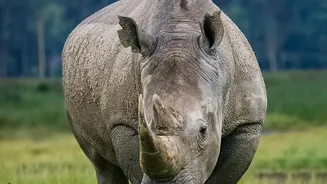
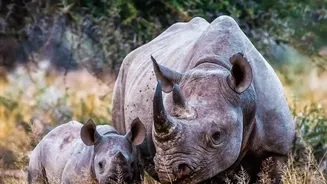
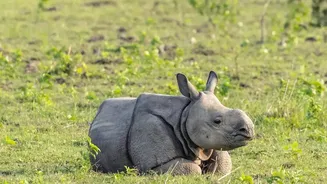
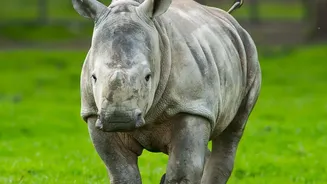
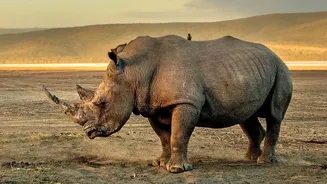
The latest rhino census, conducted in June 2026, has confirmed the population in Dudhwa has risen to 53 individuals. This figure, which includes 17 males, 25 females, and 11 calves, represents a net increase of five rhinos since the previous count. While
this may seem like a small number, it is a monumental success for a programme that started from scratch. The increase is particularly encouraging as it was achieved despite the natural loss of three animals to territorial fights and predation over the past year. This steady growth underscores the health and viability of the rhino population, signalling a bright future for these magnificent creatures in the Terai grasslands.
A Journey Four Decades in the Making
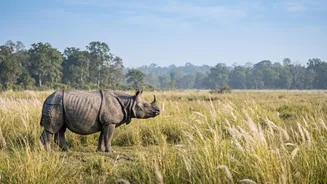
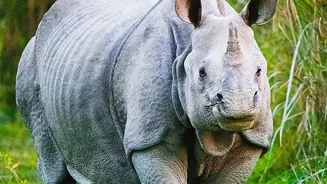
The presence of rhinos in Dudhwa today is the result of one of India’s most ambitious reintroduction projects. The greater one-horned rhino, once widespread across the Gangetic plains, was wiped out from this region over a century ago due to hunting and habitat loss. In 1984, a landmark decision was made to bring them back. The programme began with the translocation of seven founder rhinos—a few from Assam and the rest from Nepal—into a specially prepared, fenced enclosure. This small group formed the seed population for everything that has followed. The journey has been a marathon, not a sprint, requiring immense patience and scientific management to nurture the population over 40 years.
From Fenced Enclosures to Freedom
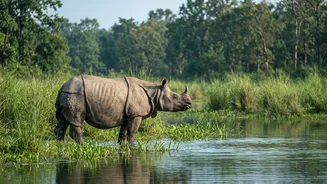
For decades, the rhinos were carefully managed within two large, protected enclosures known as Rhino Rehabilitation Areas (RRA-1 and RRA-2). This cautious approach was necessary to protect the growing population from poaching and human-wildlife conflict near the porous India-Nepal border. Today, the programme has entered a new, exciting phase. To improve genetic diversity and reduce the risks of inbreeding, authorities have begun releasing selected rhinos into the larger core area of the tiger reserve. As of early 2026, 11 rhinos now roam freely beyond the enclosures, a crucial step towards establishing a truly wild, self-sustaining population. This move not only benefits the rhinos but also enhances the entire ecosystem, as these 'ecological engineers' shape the grasslands through their grazing.
The Challenges That Remain
While the success at Dudhwa is cause for celebration, the work is far from over. Poaching remains a persistent threat to all rhino populations in India, driven by the illegal international market for their horns. As rhinos begin to move into unfenced areas, the risk of human-wildlife conflict and straying into unsafe territories increases, requiring constant monitoring. Furthermore, ensuring long-term genetic health is critical. The initial population was founded by just a handful of animals, so managing the gene pool to prevent inbreeding is a key priority for conservationists. Maintaining the vast grassland and wetland habitats that these mega-herbivores depend on is another ongoing challenge, especially in the face of climate change and other pressures.