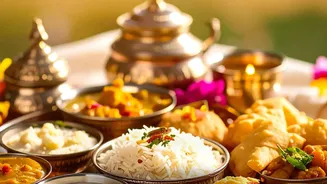








The Heart of Sawan's Devotion
The month of Sawan, or Shravan, is one of the most auspicious periods in the Hindu calendar, dedicated to the worship of Lord Shiva. Devotees observe fasts, particularly on Mondays (Somwars), to express their gratitude and seek blessings for health, prosperity,
and spiritual growth. This period of devotion is not just about prayer and temple visits; it extends to daily life, with a strong emphasis on self-discipline, purity of thought, and simplicity. A central pillar of this observance is the adherence to a specific diet, which is seen as a way to purify the body and mind, making them more receptive to spiritual practice.
The Sawan Plate: What's In and What's Out?
During Sawan, kitchens across India undergo a quiet transformation. The diet, known as a 'sattvik' or pure diet, is designed to be light and easy on the body. The most common rule is to abstain from non-vegetarian foods, including meat, fish, and eggs. Alcohol is also strictly avoided. A key feature of Sawan cooking is the omission of onions and garlic. Many families also avoid certain vegetables like brinjal and leafy greens, along with some lentils and regular table salt, opting instead for rock salt (sendha namak). The focus shifts to fruits, milk products, and specific fasting grains like buckwheat (kuttu), water chestnut flour (singhara), and sabudana (tapioca pearls).
Faith and Folklore: The 'Why' Behind the Rules
From a spiritual perspective, the Sawan diet is about more than just nutrition; it's about controlling cravings and cultivating a calm, meditative state of mind. According to Ayurvedic principles, foods are classified based on their effect on the body and mind. Onion and garlic are considered 'rajasic' and 'tamasic', meaning they are believed to stimulate qualities like restlessness, desire, and lethargy. A sattvik diet, by contrast, is thought to promote clarity and peace. Abstaining from meat is an act of non-violence (ahimsa), considered crucial during a holy month. These rules, passed down through generations, are a form of spiritual discipline, where the act of restraint itself is a form of devotion.
Ayurvedic Wisdom and Seasonal Logic
Interestingly, many of Sawan's dietary rules align with traditional Ayurvedic wisdom for the monsoon season. Ayurveda suggests that the digestive fire ('agni') is naturally weaker during the humid, rainy months. Heavy, oily, and non-vegetarian foods are considered harder to digest and are therefore avoided to prevent sluggishness and digestive issues. The avoidance of leafy greens also has a practical origin: the damp monsoon weather is an ideal breeding ground for insects and microbes, making these vegetables riskier to consume if not cleaned and cooked properly. Similarly, the monsoon is the breeding season for many fish and other animals, so abstaining from them was a way to maintain ecological balance and avoid potential waterborne diseases before modern refrigeration and food safety practices became common.
A Modern Scientific Lens
While the Sawan diet isn't designed based on modern nutritional science, some of its principles have coincidental benefits. A temporary shift to a plant-based diet, rich in fruits and vegetables (when prepared carefully), can be a good way to increase fibre and antioxidant intake. Giving the digestive system a break from heavy, processed, and fried foods can reduce feelings of bloating and discomfort. The practice of intermittent fasting, which many observe, has been linked in modern studies to cellular repair processes, a concept known as autophagy. However, it’s crucial to note that the primary driver for these food rules is faith, not a scientifically-formulated health plan. The 'benefits' are traditionally seen in spiritual terms, with physical well-being as a welcome side-effect.