






The Great Cooking Debate
The way you prepare your vegetables can significantly change their nutritional profile. The core of the issue lies in how heat interacts with plant cells and the nutrients within them. Some vitamins, particularly water-soluble ones like vitamin C and certain
B vitamins (like folate), are sensitive to heat and can degrade or leach into cooking water. On the other hand, cooking can break down tough plant cell walls, making other nutrients more 'bioavailable' — meaning, easier for your body to absorb and use. This creates a fascinating trade-off where no single preparation method holds all the benefits.
Carrots: The Case for Cooking
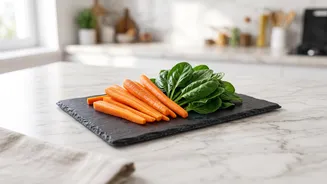
When you think of carrots, you likely think of vitamin A. Carrots are rich in beta-carotene, a compound your body converts into vitamin A, which is essential for good vision, immune function, and bone growth. In a raw carrot, this valuable nutrient is trapped within rigid cellulose cell walls that our bodies can't easily break down. The cooking process, however, helps to break down these walls. Studies have shown that cooking carrots can significantly increase the amount of beta-carotene your body can absorb. Whether boiled, steamed, or roasted, cooked carrots deliver a much more potent dose of this antioxidant than their raw counterparts.
The Raw Carrot Advantage
This doesn't mean you should abandon raw carrots altogether. That satisfying crunch comes with its own set of benefits. While cooking boosts beta-carotene, it unfortunately degrades other important nutrients. Vitamin C, a powerful antioxidant that supports collagen production, is highly sensitive to heat. Eating carrots raw ensures you get their full offering of this vitamin. Additionally, raw carrots contain more polyphenols, another class of beneficial plant compounds that tend to diminish with heat. The verdict for carrots is clear: enjoy them both ways to get the best of both worlds.
Spinach: Unlocking Minerals with Heat
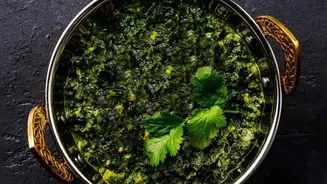
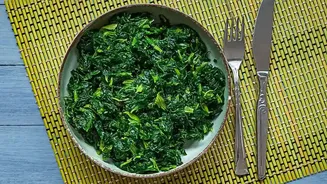
The story with spinach is even more nuanced, largely due to a compound called oxalic acid, or oxalate. Spinach is packed with minerals like iron and calcium, but in its raw form, oxalic acid binds to these minerals, preventing your body from absorbing them effectively. In fact, some studies show that as little as 2% of the iron in raw spinach is actually bioavailable. The good news is that heat breaks down oxalic acid. Cooking spinach—especially by boiling or steaming—reduces its oxalate content, thereby unlocking more of its iron, calcium, and zinc for your body to use. You also absorb higher levels of vitamins A and E from cooked spinach.
The Downside of Cooked Spinach
Just as with carrots, cooking spinach comes with a trade-off. The same heat that frees up minerals also destroys some of its most delicate vitamins. Spinach is a great source of folate (a B vitamin crucial for DNA production) and vitamin C. However, both are vulnerable to heat and water. Boiling spinach can lead to a significant loss of these nutrients, with some studies showing folate retention can drop by over 50%. Steaming appears to be a gentler method, preserving more of the folate compared to boiling. If you are eating spinach specifically for its folate or vitamin C content, enjoying it raw in a salad is a better option.