





The Dairy Dilemma
With milk prices in cities like Mumbai surging past the ₹100 per litre mark, the days of affordable dairy-based protein are under pressure. This increase, driven by higher costs for cattle feed and fodder, directly impacts household staples like paneer,
dahi, and ghee, forcing families to reconsider their daily nutritional strategy. While protein is essential for health, this price hike has many worried about meeting their daily needs without breaking the bank. The good news is that Indian culinary traditions offer a wealth of alternatives that are not only budget-friendly but also packed with nutrients.
The Power of Pulses (Dals)
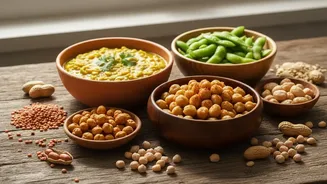
Dal is the backbone of Indian protein intake for good reason. Varieties like moong, masoor, and toor are nutritional powerhouses. A 100-gram serving of dry masoor dal (red lentils) can contain up to 26 grams of protein, with chana dal and moong dal following closely behind with about 22-24 grams. They are also rich in fibre, which aids digestion and keeps you feeling full longer. The best part is their incredible cost-effectiveness. Even with fluctuating market rates, dals consistently offer more protein per rupee than most other sources, making them the ultimate budget-friendly superfood.
The Mighty Chickpea (Chana)
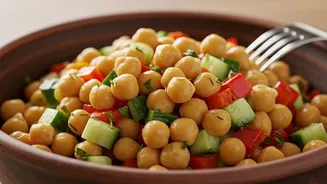
Whether it's in a hearty chole curry, a refreshing salad, or as a simple roasted snack, the chickpea is a versatile and potent source of plant-based protein. Cooked chickpeas (chana) offer around 8-9 grams of protein per 100 grams, but their dry form contains about 19-20 grams. They are also an excellent source of complex carbohydrates, which provide sustained energy without spiking blood sugar levels. Don't underestimate kala chana (black chickpeas) either; they are equally nutritious and add a different texture and flavour to meals.
Soy: The Complete Plant Protein
Soybeans are one of the few plant-based foods that contain all nine essential amino acids, making them a 'complete' protein source, similar to meat or eggs. Dry soya chunks are exceptionally protein-dense, containing around 52 grams of protein per 100 grams, making them arguably the cheapest source of protein available in India. While some find the texture of soy chunks an acquired taste, they are incredibly versatile in curries, bhurji, and pulao. Tofu, made from soy, is another excellent and affordable alternative to paneer.
Peanuts: The Humble Powerhouse
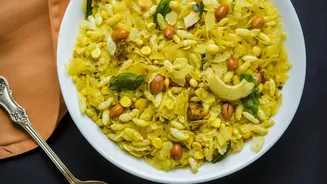
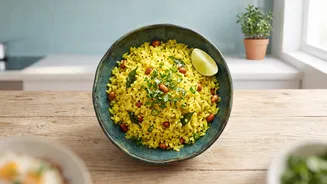
Often enjoyed as a simple snack or part of a savoury poha, peanuts are a surprisingly robust source of protein. With about 25-26 grams of protein per 100 grams, they out-perform many other legumes. Peanuts are also rich in healthy fats, which are crucial for hormone production and overall health. A handful of peanuts or a spoonful of natural peanut butter is an easy and inexpensive way to boost your protein intake throughout the day. They prove that you don't need fancy foods to fuel your body effectively.
Roasted Chana: The Ultimate Snack
Before protein bars became popular, roasted chana (bhuna chana) was the original on-the-go protein snack. A 100-gram serving provides about 18-22 grams of protein and a significant amount of dietary fibre. This combination helps keep you full and satisfied, preventing unhealthy cravings. It's low in fat, has a low glycemic index, and is far more affordable than any packaged snack or protein powder. Swapping out processed snacks for a handful of roasted chana is a simple, effective step towards better health and a healthier budget.