



The Double-Edged Sword of Development
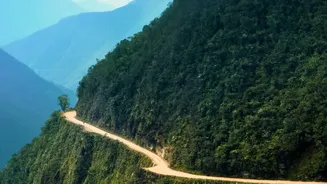
In a nation as mountainous as Nepal, roads are lifelines. They connect remote villages, enable trade, and provide access to services. In recent decades, there has been a massive expansion of rural road networks. However, many of these roads are built
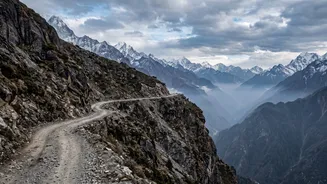
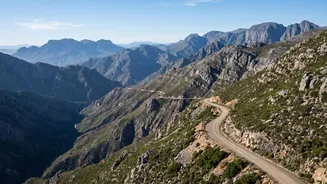
quickly and without proper geological or environmental assessments. They are often little more than crude tracks carved into the sides of steep hills. To save time and money, the excavated earth and rock is often simply dumped on the downhill side, creating large, unstable deposits of debris. This practice of 'haphazard' road construction severely destabilizes the naturally fragile slopes of the Himalayas.
How a Road Can Cause a Flood
The problem begins when the monsoon rains arrive. These poorly constructed roads alter the natural flow of water. Instead of soaking into the landscape, rainwater is channelled along the road surfaces, gathering volume and speed. This concentrated flow erodes the fragile slopes and can saturate the piles of discarded debris. The result is a dramatic increase in landslides. Studies have shown that rainfall-triggered landslides are more than twice as likely to occur near these roads. When these landslides occur in a river valley, they can form a temporary, unstable dam, blocking the river's flow.
The Landslide Dam Outburst Flood
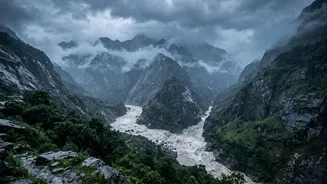
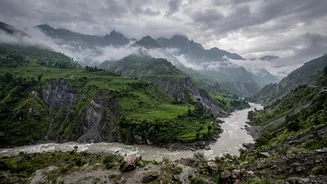
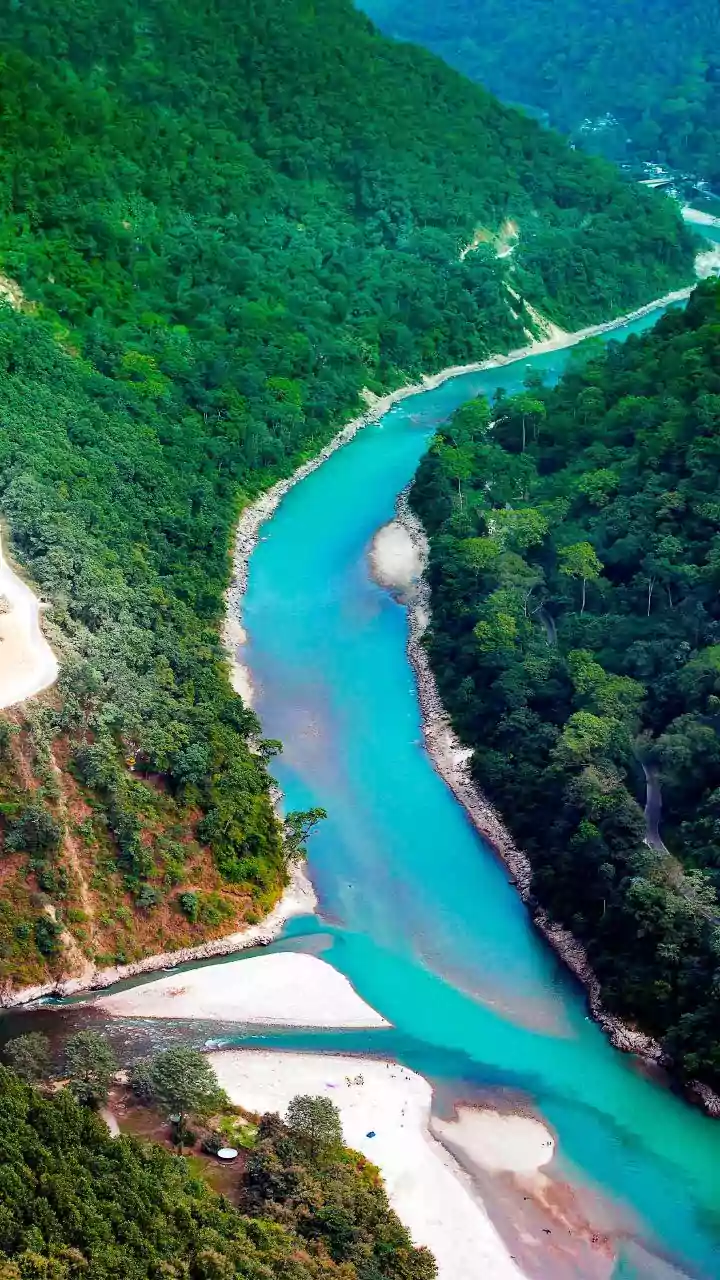
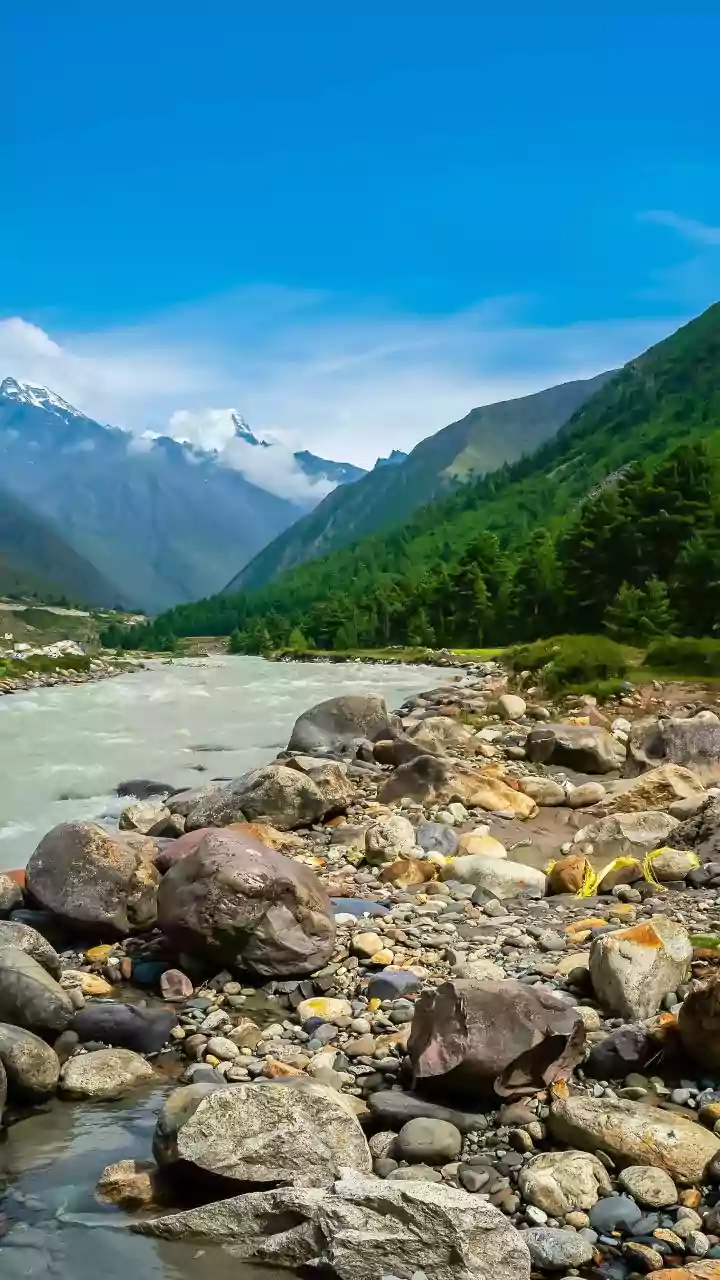
Behind the landslide dam, a large lake begins to form. Water levels rise rapidly, putting immense pressure on the wall of loose rock and soil. Eventually, this natural dam will fail. The result is a Landslide Dam Outburst Flood (LDOF), a sudden and catastrophic release of water and debris. This torrent, thick with mud, boulders, and logs, moves with incredible force, far more destructive than a regular flood. It scours the river valley, destroying everything in its path—homes, bridges, and farmland—often with little to no warning for the communities living downstream.
A Worsening Problem
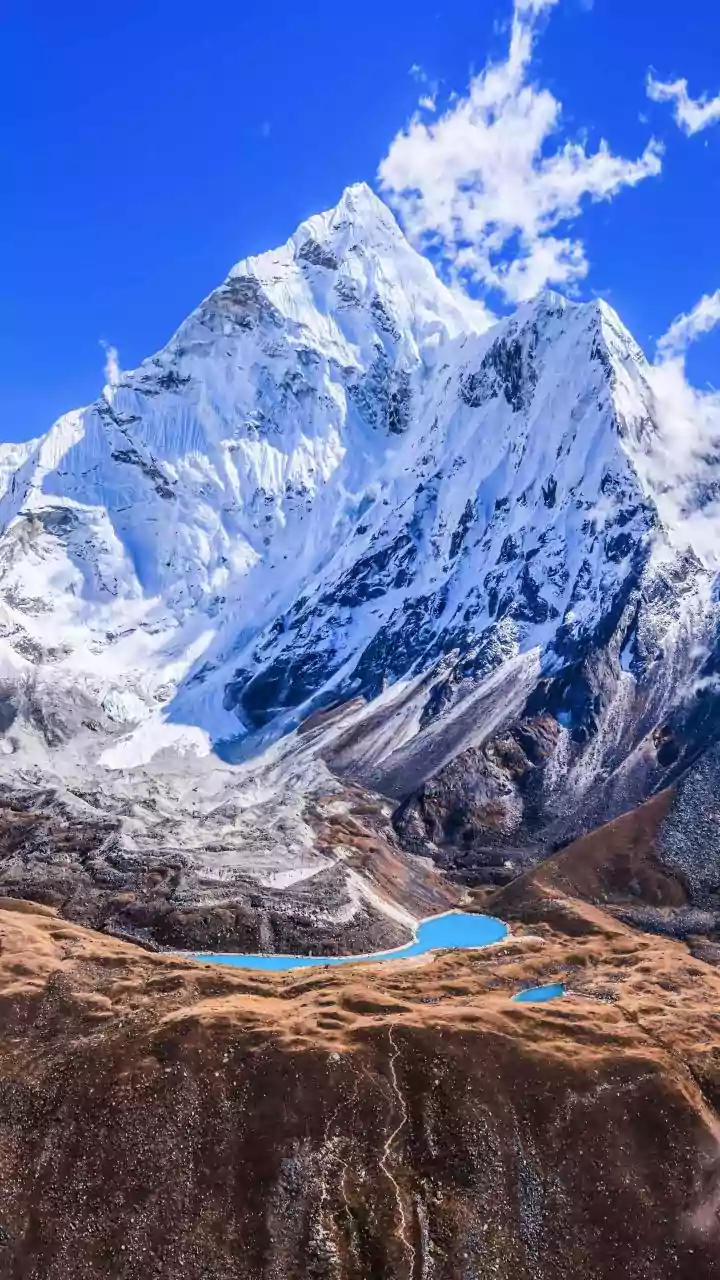
This deadly chain reaction is being amplified by climate change. Global warming is leading to more intense and erratic monsoon rainfall, increasing the frequency of the initial landslides. It is also causing glaciers in the high Himalayas to melt at an accelerated rate, which destabilizes mountain slopes and adds more water into the river systems. This creates a perfect storm where the underlying vulnerability caused by poor road construction is being triggered more often and with greater intensity, leading to more frequent and devastating flood events.
Searching for a Safer Path
Addressing this issue requires a fundamental shift in how infrastructure is planned and built in mountainous regions. Experts are calling for stricter enforcement of building codes and comprehensive land-use policies that restrict construction in highly vulnerable areas. Investing in better engineering techniques, such as proper drainage systems, retaining walls, and 'green roads' that use bio-engineering to stabilize slopes, is crucial. Alongside improved construction, developing more effective multi-hazard early-warning systems can help provide downstream communities with the precious time they need to evacuate before a disaster strikes.