





The Truth About Tomatoes
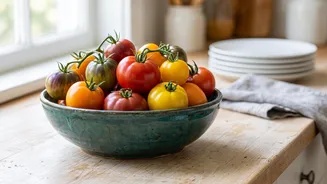
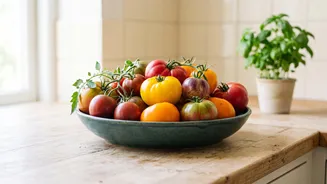
That beautiful, red, juicy tomato you bought from the market deserves better than the chilly confines of your fridge. Storing tomatoes in the cold is the fastest way to make them bland and mealy. The science is clear: low temperatures halt the activity
of key enzymes responsible for producing the volatile compounds that give tomatoes their signature sweet, complex flavour and aroma. The cold damages the fruit's cell membranes, resulting in a mushy, watery texture once it's brought back to room temperature.For the best taste, store ripe tomatoes on your countertop, away from direct sunlight. Keep them stem-side down in a single layer in a bowl or on a plate to prevent bruising. They should be enjoyed within a few days for peak freshness. The only exception is if your tomatoes are on the verge of becoming overripe. In that case, refrigerating them can extend their life for another day or two, but be sure to let them sit at room temperature for at least 30 minutes before eating to help revive some of their lost flavour.
Perfecting Your Potato Storage
Potatoes are a cornerstone of countless meals, from simple sabzis to crispy fries. However, placing them in the refrigerator is a major mistake that compromises both their taste and texture. The cold environment of a fridge triggers a process where the potato's starches convert into sugars. When you cook these refrigerated potatoes, especially at high heat like frying or roasting, this excess sugar causes them to brown unevenly and develop an unpleasantly sweet flavour. More importantly, these sugars can produce a chemical called acrylamide when cooked at high temperatures.The ideal way to store potatoes is to mimic the conditions of a root cellar. Find a cool, dark, and dry place in your home, like a pantry or a basket in a lower kitchen cabinet. They need good air circulation, so a paper bag or an open bowl is far better than a sealed plastic bag, which traps moisture and encourages spoilage. Stored correctly, potatoes can remain fresh for weeks, ready to be transformed into your favourite dishes without any surprising sweetness or textural issues.
Keeping Bread Fresh (Without the Fridge)
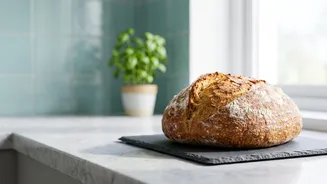
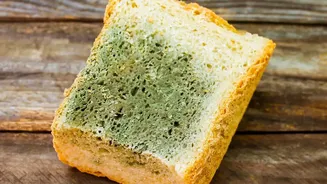
It might seem logical to refrigerate bread to prevent it from going stale or mouldy, but the cold actually has the opposite effect on freshness. A refrigerator's temperature is the perfect environment for a process called starch retrogradation, which causes bread to go stale up to six times faster than it would at room temperature. This process involves the starch molecules recrystallizing and squeezing out water, turning a soft, fluffy crumb into a tough, dry one.To keep your bread fresh for a few days, store it at room temperature. For crusty loaves, a paper bag is ideal as it allows some air circulation, helping maintain the crust's texture. For softer, sliced bread, its original plastic packaging works well to retain moisture. A bread box is an excellent investment as it is designed to balance humidity and airflow. If you know you won't finish a loaf within a couple of days, the freezer is your best friend. Slicing the bread before freezing allows you to take out only what you need. Freezing almost completely halts the staling process, preserving the bread's quality for months.