







The economic relationship between India and the United States is one of the most significant in the world. With billions of dollars in goods and services exchanged annually, the ongoing trade negotiations carry immense weight for both nations.
The Scale of the Partnership
The United
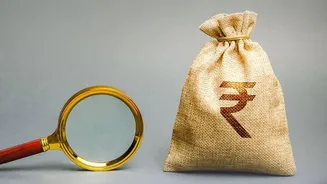
States is India's largest trading partner, a relationship that has grown steadily over the past two decades. In the fiscal year 2026, bilateral trade reached a record US$ 140.79 billion, with Indian exports to the U.S. accounting for US$ 87.31 billion. This reflects a resilient demand for Indian goods like electronics, pharmaceuticals, and engineering products. Beyond trade in goods, the U.S. is also the third-largest investor in India, with foreign direct investment inflows totalling US$ 81.82 billion between April 2000 and March 2026. These figures underscore the deep commercial linkages and the high stakes involved in any trade discussions between the two economic giants.
What's on the Negotiating Table?
Trade negotiations are complex, covering a wide array of sectors and issues. Recent talks have centred on concluding a Bilateral Trade Agreement (BTA). A key focus for Washington has been urging India to increase its purchases of American energy and technology products. In return, Indian exporters are seeking greater access to the massive U.S. market and relief from American tariffs. Specific items under discussion include U.S. agricultural products like nuts and fruit, medical devices, and digital services. India has also expressed its intent to purchase US$ 500 billion worth of American goods over five years, including energy, aircraft, and technology products, which could significantly expand commercial ties.
Key Sticking Points and Disagreements
Despite the progress, long-standing disagreements remain. Tariffs have been a major point of friction for years. For instance, the U.S. has previously imposed tariffs on steel and aluminum from India, prompting retaliatory measures. Another significant area of contention is digital trade. The U.S. has expressed concerns over India's data localisation rules, which require companies to store certain data within India, and has pushed for fewer barriers to cross-border data flows. India, on its part, has maintained that it must preserve its regulatory autonomy over data governance. Agricultural trade, though a smaller part of the overall volume, is also a historically sensitive issue, with disagreements over market access and standards.
Recent Developments and the Path Forward
According to recent statements in late October 2026, the negotiations are in their final stages. Indian Commerce and Industry Minister Piyush Goyal noted that most discussions have been concluded and both sides are now 'fine-tuning' the agreement. This sentiment was echoed by the White House, which described the talks as 'productive' toward securing a historic deal. Earlier in February, the two nations had announced a framework for an interim agreement, which involved a reduction in U.S. tariffs on certain Indian goods. However, subsequent changes in U.S. tariff policy required further negotiations. Officials from both countries, including U.S. Secretary of State Marco Rubio, have expressed optimism that a final deal is very close.
Why the Talks Matter for India
A successful trade agreement holds immense potential for the Indian economy. For Indian exporters, a deal could mean lower tariffs and more competitive access to the U.S. market for key sectors like textiles, pharmaceuticals, gems and jewellery, and electronics. The negotiations are also tied to broader geopolitical goals. The talks are happening alongside discussions within the Indo-Pacific Economic Framework for Prosperity (IPEF), a U.S.-led initiative to strengthen economic ties with 13 other regional partners, including India, across pillars like trade, supply chains, and clean energy. A strong bilateral deal with the Us would not only boost trade but also solidify India’s position as a key strategic and economic partner in the Indo–Pacific region.