



A Different Kind of Lion
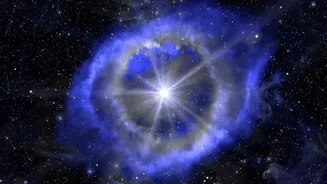
First, let's clarify which lion we're admiring. The celestial object in question is NGC 2392, a 'planetary nebula' located thousands of light-years away. The name is a historical holdover; it has nothing to do with planets. Instead, it is the glowing,
expanding shell of gas and dust shed by a star similar to our own Sun as it reached the end of its life. The star itself, now a super-hot white dwarf, sits at the center, looking like the lion's nose. Its intense radiation causes the surrounding gas to glow, creating the cavernous bubbles and intricate filaments that form the 'face' and 'mane' that captivated astronomers for years. This cosmic structure is a fleeting spectacle, a snapshot in time that astronomers estimate will fully disperse in about 10,000 years — a mere blink in cosmic terms.
Seeing What Was Hidden
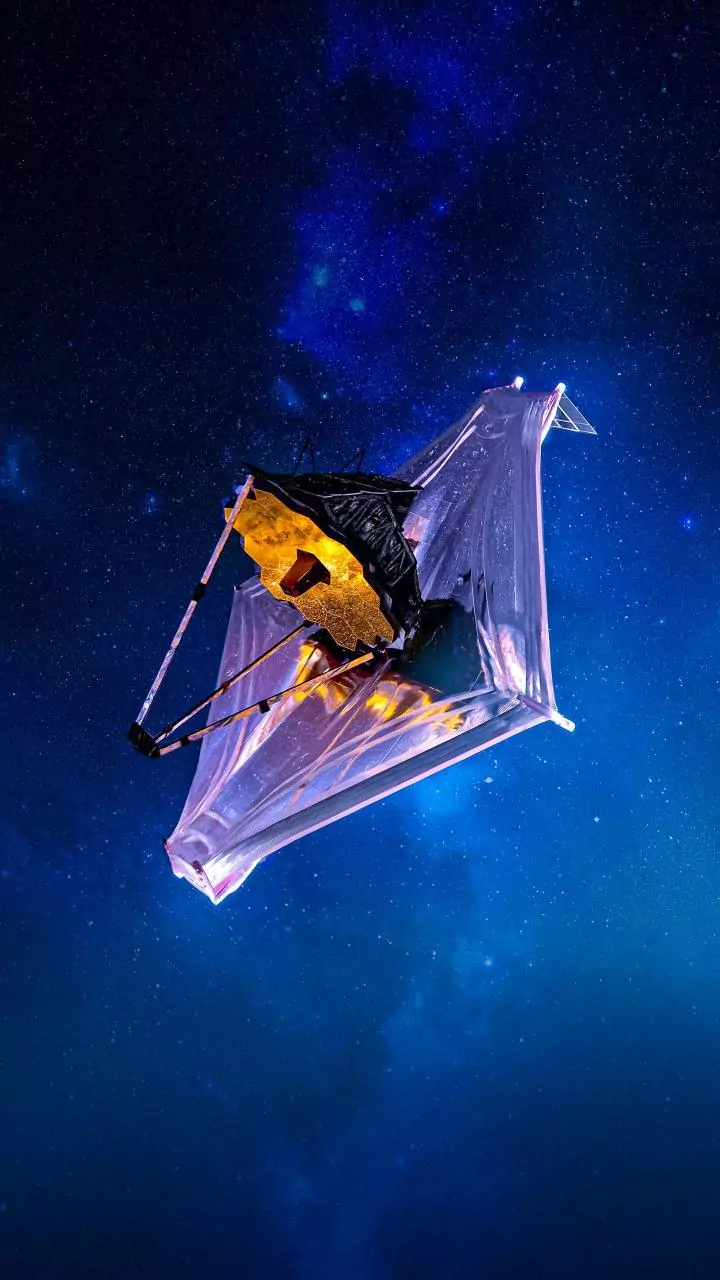
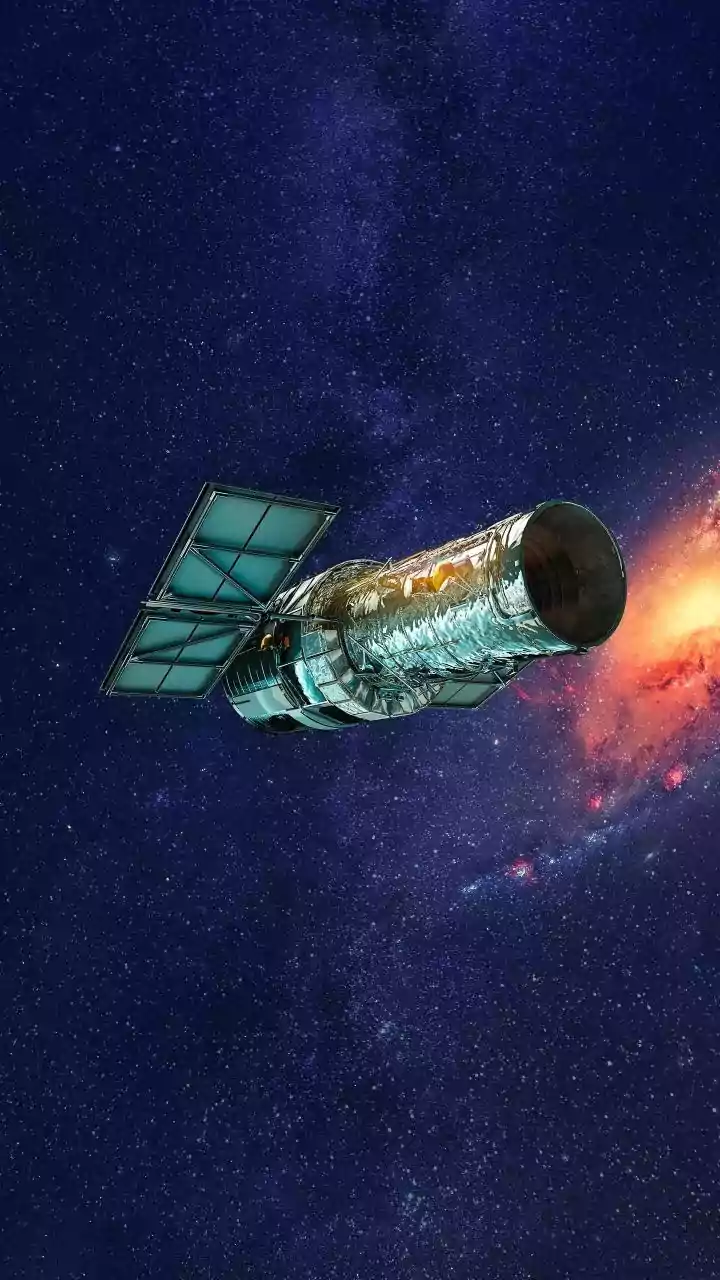
While the Hubble Space Telescope gave us a beautiful look at the Lion Nebula in visible light back in 2000, Webb's new image provides an entirely new layer of understanding. At first glance, the overall shape is familiar, but Webb's specialized instruments cut through the cosmic haze to reveal the secret lives of the nebula's dust. The image clearly distinguishes delicate, thread-like structures and clumpy filaments within the lion's mane that were previously obscured. These are regions of dust that have so far survived the intense onslaught of radiation from the central star. Webb's view even shows some of these clumps with trailing, comet-like tails, indicating they are protecting material behind them from the star's destructive power.
The Superpower of Infrared Light
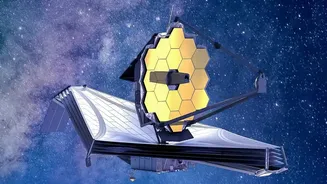
The key to this revolutionary view is infrared light. Unlike visible light, which our eyes can see, infrared light has longer wavelengths. This gives it the ability to pass through dense clouds of cosmic gas and dust that would otherwise block our view. Think of it like the difference between a bright headlight in thick fog (visible light) and a thermal camera that can see the heat of objects through the fog (infrared). Many of the most interesting cosmic events, like the birth of stars and the complex structures of dying ones, are shrouded in dust. By observing in infrared, the James Webb Space Telescope effectively lifts this dusty veil, allowing scientists to study these processes with unprecedented clarity.
A Tale of Two Cameras
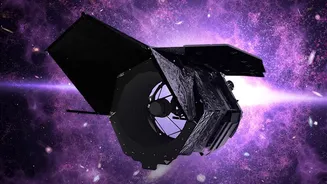
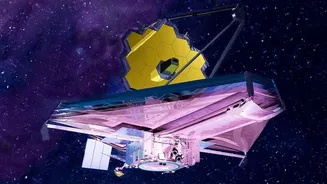
The new portrait of the Lion Nebula is a composite, skillfully combining data from two of Webb's key instruments: the Near-Infrared Camera (NIRCam) and the Mid-Infrared Instrument (MIRI). NIRCam, Webb's primary imager, captures shorter infrared wavelengths, revealing details about the hotter ionized gas and the nebula's overall structure. MIRI, on the other hand, is designed to see longer, mid-infrared wavelengths. To do this, it must be kept incredibly cold — even colder than the rest of the telescope — so its own heat doesn't interfere with the faint signals from space. This makes MIRI exceptionally good at mapping the cooler dust, showing astronomers where it is, what it's made of, and how it's interacting with the central star's energy. Together, they provide a complete, multi-layered view of the nebula's physics.
A Glimpse Into Our Sun's Future
Beyond its sheer beauty, the study of planetary nebulae like NGC 2392 is fundamentally important. It gives us a preview of the fate that awaits our own Sun in about five billion years. When a Sun-like star runs out of fuel, it swells and then sheds its outer layers, creating a planetary nebula and leaving behind a white dwarf. This process recycles heavier elements, forged inside the star over billions of years, back into the galaxy. This material then goes on to form new stars, planets, and potentially, life. By watching the Lion Nebula's intricate dance of radiation and dust, astronomers are learning exactly how this cosmic recycling program works, gaining crucial insights into the life and death of stars across the universe.