




The Science Behind Barley and Blood Sugar
Barley's benefits for blood sugar control are largely thanks to its impressive fiber content, particularly a soluble fiber called beta-glucan. When you eat barley, this beta-glucan forms a thick gel in your digestive tract. This gel slows down the digestion
and absorption of carbohydrates, which helps prevent the rapid rise in blood glucose that can happen after a meal. Studies have shown that barley can significantly lower post-meal blood sugar and insulin levels. In fact, one study directly comparing it to oats found barley was more effective, reducing blood sugar levels by 59–65% compared to 29–36% for oats. Furthermore, barley has a very low glycemic index (GI), a score that measures how quickly a food raises blood sugar. Hulled barley has a GI score as low as 25-28, which is among the lowest of all grains.
Hulled vs. Pearled: Which Barley Is Best?
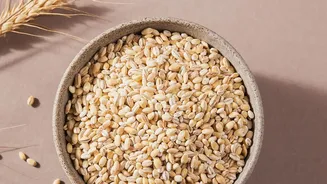
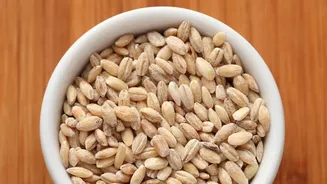
When you're at the grocery store, you'll likely see two main types of barley: hulled and pearled. For maximum health benefits, hulled barley is the superior choice. Hulled barley is the whole-grain form, meaning only the tough, inedible outer husk has been removed. This leaves the bran and germ intact, providing the highest possible fiber and nutrient content. Pearled barley, the more common variety, has been polished to remove the bran layer. While it cooks faster and has a softer texture, this process reduces its fiber content. However, even pearled barley is a good option. It still contains significant amounts of beta-glucan fiber and maintains a low glycemic index, typically between 28 and 35, making it a much better choice than refined grains. If you have the choice and the extra cooking time, opt for hulled barley, but pearled barley remains a healthy and convenient alternative.
Building Your Blood-Sugar-Friendly Bowl
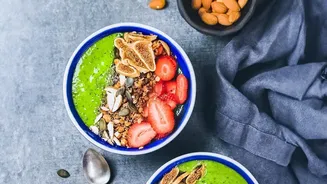
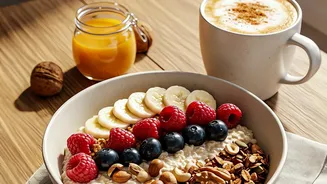
Creating a barley breakfast bowl is simple and versatile. The key is to cook the grain ahead of time, as it takes longer than typical rolled oats. Hulled barley often requires soaking overnight and can take 45 minutes or more to simmer on the stove. Pearled barley cooks faster, usually in about 30-40 minutes, and doesn't require soaking. Once cooked, you have a base for a week's worth of quick breakfasts. Start with a sensible portion of cooked barley, typically around one cup. To build a balanced meal, focus on toppings that add protein, healthy fats, and more fiber. Good options include a dollop of Greek yogurt, a sprinkle of nuts like almonds or walnuts, and seeds such as chia or flax. For natural sweetness without adding sugar, top your bowl with fresh or frozen berries. Cinnamon is another excellent addition, as it can also contribute to better blood sugar regulation.
More Than Just Breakfast
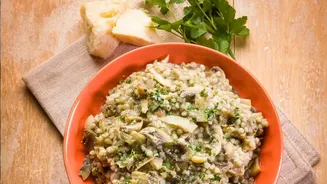
The benefits of barley aren't limited to the first meal of the day. Its chewy texture and nutty flavor make it a fantastic and versatile ingredient for other meals. You can use it as a substitute for rice or pasta, add it to hearty soups and stews for extra body and fiber, or make it the base for a nutrient-dense grain salad. Some research has even shown that eating barley with dinner can improve insulin sensitivity the following morning, an effect known as the "second meal effect." This long-lasting impact on your metabolism makes barley a powerful tool for managing blood sugar around the clock, not just after you eat it. Incorporating barley into your diet regularly can contribute to better overall metabolic health, improved appetite control, and a lower risk of chronic diseases.