

A Once-in-a-Dozen-Years Spectacle
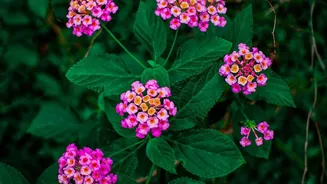
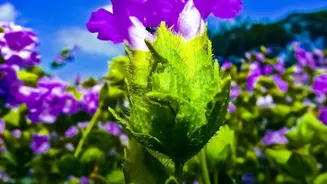
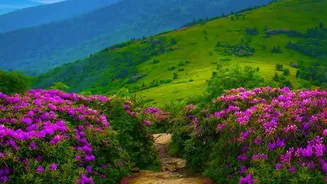
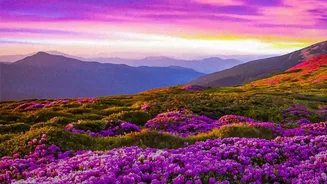
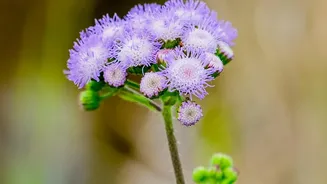
In September 2026, parts of the Western Ghats near Munnar, including the Korandakadu and Chokramudi hills, are witnessing the spectacular bloom of Neelakurinji, scientifically known as Strobilanthes kunthiana. This isn't just any flower; it's a shrub
that follows a highly unusual 12-year cycle of flowering. For over a decade, the plant grows quietly before bursting into a mass of purplish-blue blossoms, a phenomenon called gregarious flowering. After it flowers and sets seed, the parent plant dies, making way for a new generation that will repeat the cycle. While the most famous mass bloom in Eravikulam National Park occurred in 2018 and is next expected in 2030, the Munnar region is home to different populations of the flower that follow their own 12-year calendars. The current bloom is from a population that last flowered in 2014, making 2026 its scheduled year to transform the landscape.
The Economic Lifeline of the Hills
For Munnar and the surrounding region, the Neelakurinji bloom is a powerful economic engine. The last major event in 2018 saw an estimated one million tourists flock to the area, providing a massive boost to the local economy. This influx of visitors translates directly into revenue for hotels, restaurants, taxi drivers, local guides, and vendors. Given the rarity of the event, it creates a high-demand tourism season that many small businesses depend on. The 2026 bloom is again expected to draw significant crowds, with officials making arrangements to manage the flow of visitors to ensure a smooth experience. This periodic boom highlights how a single natural event can sustain a local economy, making its preservation a critical financial issue, not just an environmental one.
An Indicator of Ecological Health
Beyond its beauty and economic impact, the Neelakurinji is a vital indicator species for the health of the shola grasslands in the Western Ghats, a UNESCO World Heritage Site. Its dense root system helps prevent soil erosion on the steep mountain slopes, a crucial function in a region prone to landslides. The mass flowering provides an abundant source of nectar for native pollinators, including several species of honeybees and butterflies, which are essential for the wider ecosystem. In fact, the honey produced during this period, known as 'Kurinji honey', is a rare and valued product known for its medicinal properties. The health and timely blooming of the Neelakurinji signal that the fragile high-altitude ecosystem is functioning as it should.
The Challenge: Balancing Tourism and Conservation
The very popularity of the Neelakurinji poses the greatest threat to its survival. The plant is classified as 'Vulnerable' on the IUCN Red List due to significant habitat loss. The surge in tourism during blooming season brings challenges like the trampling of delicate plants, plastic pollution, and general disturbance to the habitat. Furthermore, the plant's natural habitat is shrinking due to the expansion of tea plantations, infrastructure projects, and the spread of invasive species. The National Green Tribunal has taken notice of these threats, directing authorities to create action plans for the flower's protection. This highlights the central conflict: how to allow people to witness this natural wonder without loving it to death. The survival of Neelakurinji depends on finding a sustainable balance between tourism and conservation.
A Cultural Touchstone
The significance of Neelakurinji is also deeply woven into the cultural fabric of the region. The flower is mentioned in ancient Tamil Sangam literature, where landscapes were classified into different types, with 'Kurinji' referring to the mountains. For the indigenous Paliyan and Muthuvan tribes of the Western Ghats, the 12-year bloom cycle served as a natural calendar to calculate their age. The name of the Nilgiri Hills, or 'Blue Mountains', is itself believed to have been inspired by the purplish-blue carpet of the Neelakurinji flowers. This makes the flower not just a biological marvel but also a part of the living heritage and identity of the communities of the Western Ghats.