


The Presidential Veto, Explained
First, let's clarify what a veto is. Under the U.S. Constitution, the president has the power to reject a bill passed by Congress. This is a cornerstone of the checks and balances between the legislative and executive branches. If a president vetoes a bill,
it is sent back to Congress with a list of objections. Congress can then vote to override the veto, but this is a high bar, requiring a two-thirds majority in both the House of Representatives and the Senate. The mere threat of a veto can be enough to force lawmakers to change a bill to avoid a direct confrontation with the White House. This power, however, is exclusively granted to the sitting president.
Does a Former President Have Veto Power?
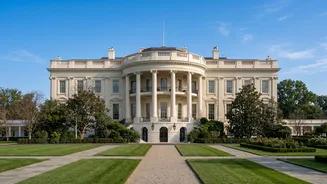
In a word: no. Once a president leaves office, they become a private citizen. They hold no formal constitutional powers, including the authority to sign or veto legislation. That pen belongs solely to the current occupant of the Oval Office. So, the idea of a 'Trump veto' on a bill from Congress in 2026 is a misunderstanding of how the American system of government works. While former presidents retain their Secret Service detail and can establish presidential libraries, their direct role in the legislative process officially ends the moment their successor is sworn in. Any influence they exert is informal, not constitutional.
The Real Power: Influencing Lawmakers
This is where the distinction between formal power and political influence becomes critical. While he can't veto a bill, Trump wields immense influence over the Republican party. His biggest lever is his connection with the party's base. For many Republican lawmakers, earning a Trump endorsement is crucial for winning a primary election, while earning his wrath can be a political death sentence. This reality gives him a powerful, indirect say in who even gets to vote on bills in Congress. Lawmakers who fear being 'primaried' by a Trump-backed challenger are often reluctant to cross him on key issues.
Setting the Agenda from the Sidelines
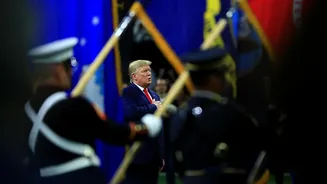
A former president with a platform as large as Donald Trump's can effectively set a parallel agenda for his party. Through rallies, media appearances, and social media, he can elevate certain issues and demand that congressional leaders prioritize them. He can also rally public opinion against a particular piece of legislation, creating a groundswell of opposition that makes it politically toxic for Republicans to support it. This functions as a kind of 'soft veto'—he may not be able to strike down a law, but he can make it nearly impossible for members of his party to pass it in the first place.
The Gatekeepers: Influence on Leadership
Another significant avenue of influence is Trump's sway over who holds leadership positions within the Republican party in Congress. By endorsing or opposing candidates for Speaker of the House or Senate Majority Leader, he can help install allies in the two most powerful legislative gatekeeping roles. These leaders have immense control over which bills come to the floor for a vote. If party leadership is aligned with Trump's priorities, they can ensure that bills he opposes never see the light of day and that bills he supports are fast-tracked, regardless of what the rest of Congress might want.