
As a pet parent, keeping your dog clean is a top priority. But when it comes to paw cleaning, more is not always better. Overwashing can strip natural oils, leading to dryness and irritation. Let's explore the right balance for daily hygiene.
Why Paw Cleaning Matters
Your dog's
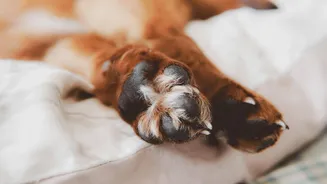
paws are their connection to the world, but they also act like magnets for everything on the ground. After even a short walk, paws can pick up dirt, allergens like pollen, bacteria, and chemicals from roads or lawns. Regular cleaning is not just about keeping your floors tidy; it's a crucial part of your dog's health routine. When dogs lick their paws, they can ingest these potentially harmful substances. A consistent cleaning habit helps prevent skin infections, reduces allergic reactions, and stops irritants from being tracked into your home. It’s also a perfect opportunity to perform a quick daily health check for any cuts, thorns, or signs of trouble.
The Dangers of Overwashing
While cleaning is important, excessive or improper washing can do more harm than good. A dog's paw pads have a natural barrier of oils that protects the skin. Frequent washing, especially with harsh soaps or chemicals, strips these oils away, leaving the pads dry, cracked, and vulnerable to infection. This can cause significant discomfort, leading to obsessive licking and chewing, which only worsens the problem. Furthermore, if paws are not dried properly, the trapped moisture between the toes creates a perfect breeding ground for yeast and fungal infections. These infections often cause a musty or 'corn chip' odour, redness, and persistent itching.
The Right Way to Clean Paws Daily
For daily cleaning after routine walks, a gentle approach is best. A simple wipe-down is often sufficient. You can use a soft, damp cloth with lukewarm water, or pet-specific, hypoallergenic wipes that are free of alcohol and harsh fragrances. Baby wipes should be avoided, as their pH is formulated for human skin and can disrupt your dog's natural skin balance. Gently wipe the bottom of the paw pads and, importantly, clean between each toe where debris and moisture love to hide. This simple, quick routine is effective for removing most surface-level dirt and allergens without being overly aggressive.
Handling Mud and Tough Grime
After a particularly muddy walk or a romp in the rain, a simple wipe might not be enough. In these cases, a more thorough wash is needed. You can use a paw washer cup—a small container with soft silicone bristles—with a little lukewarm water. Alternatively, you can do a targeted foot soak in a shallow basin with a few drops of a mild, dog-safe shampoo. Avoid using human soaps or shampoos. After washing, the most critical step is to dry the paws completely. Use a clean towel and make sure to gently dry between the pads to prevent moisture buildup.
Moisturise and Protect
Just like human skin, dog paw pads can benefit from a good moisturiser, especially in harsh weather conditions like extreme heat or cold. If you notice your dog's pads are becoming dry or cracked, consider applying a paw balm. Look for products with natural, dog-safe ingredients like shea butter, coconut oil, or beeswax, which help to soothe, hydrate, and create a protective barrier. Apply the balm after cleaning and before your dog settles down for a rest to allow for maximum absorption. This helps maintain the suppleness and health of their hardworking paws.
When to See a Veterinarian
A good paw care routine allows you to spot problems early. Be on the lookout for signs of trouble such as persistent licking or chewing, redness, swelling, cracks that are deep or bleeding, and any unusual odours. Limping or a reluctance to walk are also clear indicators of pain or discomfort. While minor dryness can often be managed at home, these more serious symptoms warrant a visit to the veterinarian. A vet can properly diagnose the issue, whether it's an infection, an allergy, an embedded object, or another underlying condition, and recommend the appropriate treatment.