







A Movement, Not Just a Trend
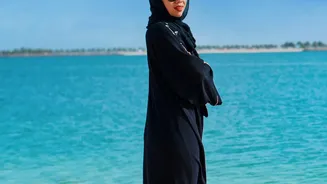
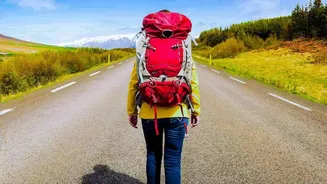
The rise of the solo female traveller in India is one of the most significant shifts in the travel industry this decade. What was once a niche pursuit has become a mainstream movement, propelled by rising financial independence, greater digital connectivity,
and a cultural shift towards prioritizing personal growth. Reports have highlighted a dramatic surge in solo female travel bookings in recent years, indicating that Indian women are not just influencing family travel decisions but are actively designing, budgeting, and embarking on their own adventures. This isn't just about a vacation; it's a statement of agency and self-discovery, with women from all walks of life seeking everything from quiet Himalayan retreats to bustling European city breaks. Travel companies catering specifically to women have also proliferated, creating a supportive ecosystem that addresses key concerns and builds community.
Defining 'Safe' in 2026
The question “Is it safe?” is the first one every solo traveller asks, but the answer is more complex than a simple yes or no. Safety isn't just about low crime statistics. For a solo woman, true travel safety is a combination of factors: reliable and accessible public transport, low risk of harassment, stable politics, robust tourism infrastructure, and respectful social attitudes towards women. Leading safety benchmarks, like the Global Peace Index (GPI), provide a strong foundation by measuring a country's overall peacefulness. However, a truly useful list also considers on-the-ground realities. Can you walk home from dinner without feeling on edge? Is it easy to ask for directions? These practical details are what transform a statistically safe country into a genuinely comfortable solo travel destination.
The Perennial Safe Haven: Iceland
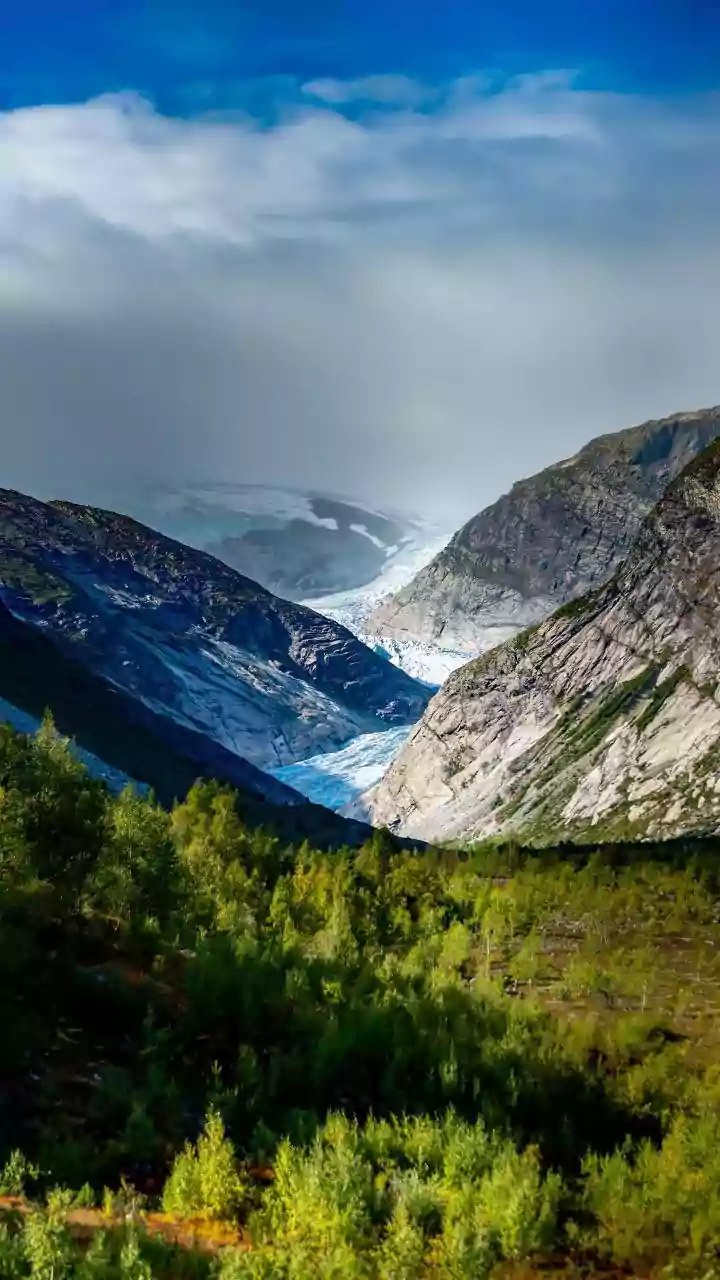
It’s impossible to discuss safe travel without mentioning Iceland. For over a decade, it has consistently topped the Global Peace Index as the most peaceful country in the world. For solo female travellers, this translates into a profound sense of freedom. With near-zero violent crime, a high degree of social trust, and a landscape that invites independent exploration, you can focus on the adventure at hand—be it chasing the Northern Lights or hiking on a glacier. The main hazards in Iceland are not from people but from nature itself: unpredictable weather and volcanic activity. Its excellent infrastructure and the locals' proficiency in English make it an especially good choice for first-time solo adventurers.
Order and Serenity in Asia: Japan & Singapore
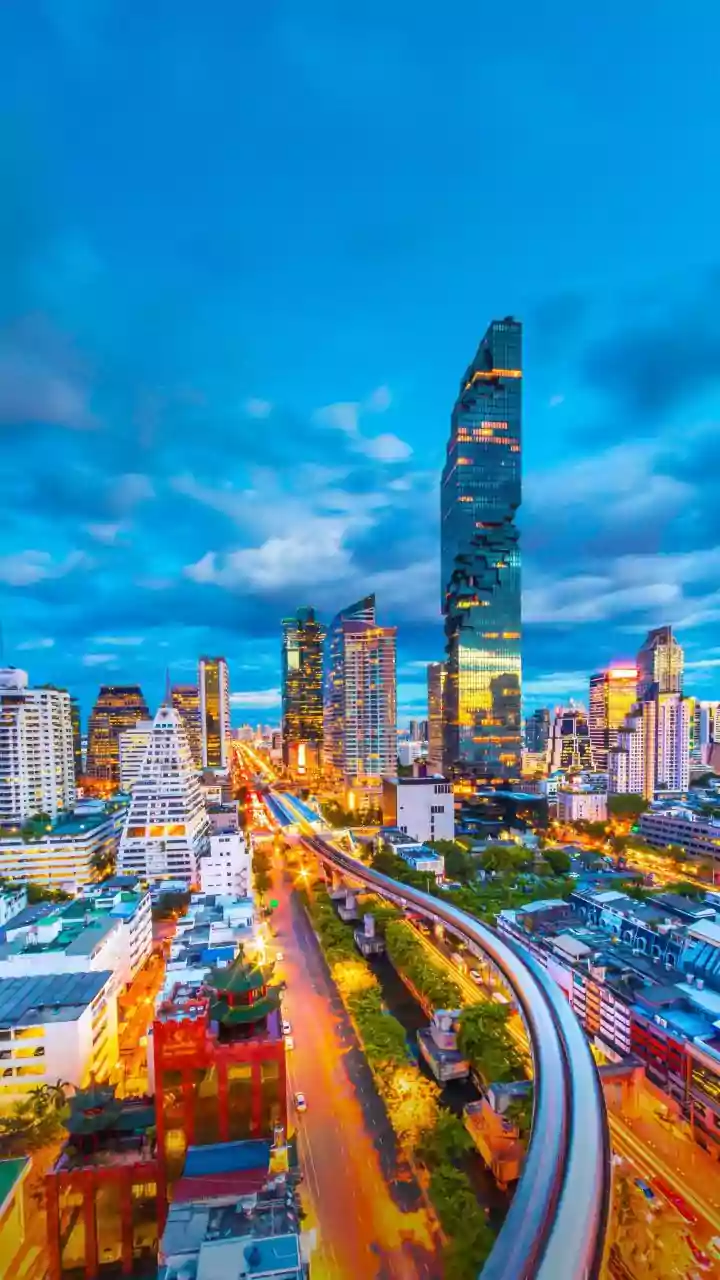
Japan consistently ranks as one of the best and safest destinations for solo female travellers, celebrated for its incredibly low crime rates, exceptional public transport, and a culture of respect and order. The concept of solo dining is deeply ingrained, meaning you'll never feel out of place eating alone. From the neon energy of Tokyo to the tranquil temples of Kyoto, Japan offers a blend of ultra-modern efficiency and profound tradition, all within a framework of public safety. Similarly, Singapore stands out as a beacon of security in Asia. Its compact size, immaculate public spaces, and strict laws contribute to a palpable sense of safety at any time of day or night. It serves as an easy, clean, and efficient gateway to exploring the wider region.
European Charm and Confidence: Portugal & Slovenia
While many European countries rank highly for safety, Portugal and Slovenia offer a particularly compelling mix of security, affordability, and charm. Portugal consistently ranks as one of Europe's safest nations and is celebrated for its warm hospitality. Cities like Lisbon and Porto are walkable and welcoming, and the country's excellent infrastructure makes it easy to explore its stunning coastline and historic towns alone. Meanwhile, Slovenia has emerged as a top-tier safe country, boasting remarkable natural beauty from the Julian Alps to the picturesque Lake Bled. It offers a sense of discovery away from the more crowded European tourist trails, combining outdoor adventure with the peace of mind that comes from its high safety standards.
Safety Starts Before You Go
Ultimately, a destination's safety record is only half the equation; the other half is personal preparedness. No matter where you go, the principles of smart travel apply. Research local customs and dress codes, especially in more conservative regions. Book your accommodation for the first few nights in advance, and ensure your hotel is in a safe, well-lit area. Share your itinerary and location with a trusted contact back home. While it's important to be cautious, it's equally important to project confidence. Travelling alone doesn't mean being lonely; it means being open to the world and, most importantly, to yourself.